 "Australia core inflation hits 16-month high, May rate hike odds jump to 80%")
Australia’s inflation pulse quickened at the start of the year, complicating the policy calculus for the Reserve Bank of Australia and lifting market bets of another interest-rate increase as early as May.
Data released on Wednesday by the Australian Bureau of Statistics showed the monthly consumer price index (CPI) rose 0.4 per cent in January from December, topping market forecasts of a 0.3 per cent gain. The annual pace held at a firm 3.8 per cent.
More troubling for policymakers, the trimmed mean — the central bank’s preferred gauge of underlying inflation — climbed 0.3 per cent on the month, pushing the annual rate to 3.4 per cent from 3.3 per cent. That marked a 16-month high and left core inflation above the RBA’s 2–3 per cent target band for a seventh consecutive month.
The data underline the sticky nature of domestic price pressures at a time when the central bank had been hoping for clearer signs of moderation.
Investors now ascribe an 80 per cent probability to a rate hike at the RBA’s May meeting, up from 76 per cent before the release.
ALSO READ: CBA cautions Australian spending surge may fade as rates climb
The RBA earlier this month lifted the cash rate by 25 basis points to 3.85 per cent, reversing part of the easing delivered last year, as it warned that inflation risks remained skewed to the upside. A tight labour market and resilient demand have kept the economy operating close to capacity, limiting the scope for a rapid disinflation.
Quick Reads
View AllStephen Smith, partner at Deloitte Access Economics, told Reuters the trimmed mean outcome would concern policymakers.
“The Reserve Bank’s preferred trimmed mean measure was still too high for its liking,” he told Reuters, noting that while March appears off the table for a move, May shapes up as the next “live” meeting when officials will also have the March-quarter CPI in hand.
January’s report pointed to persistent strength in domestically driven price components. Non-tradable inflation — heavily influenced by local costs — accelerated to 4.9 per cent from 4.6 per cent, led by a 32.2 per cent surge in electricity prices and a 3.5 per cent rise in new dwelling costs. Rents remained elevated, rising 3.9 per cent.
Goods inflation edged up to 3.8 per cent, while services inflation eased marginally to 3.9 per cent from 4.1 per cent, though it remains high by historical standards.
The RBA has forecast headline inflation to rise to 4.2 per cent by June, with the trimmed mean measure seen climbing to 3.7 per cent — projections that now appear increasingly plausible given the January momentum.

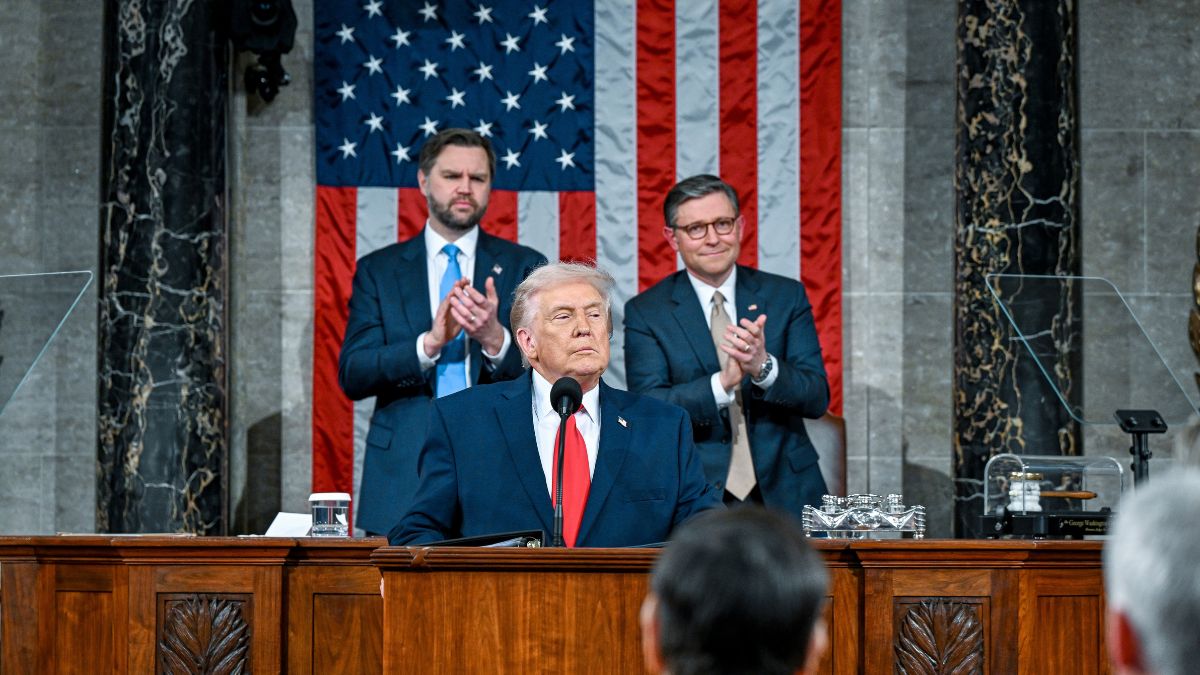 "India-Pakistan war, Iran nukes, tariffs: What Trump spoke of in longest State of Union speech")
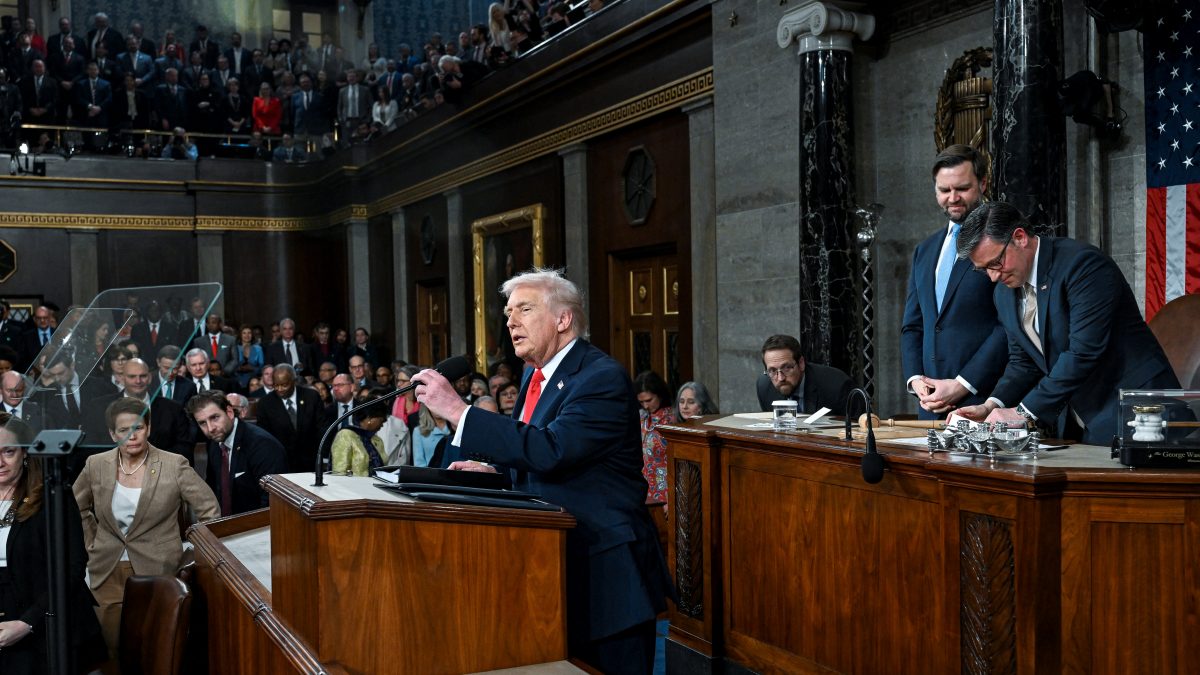 "State of the Union: Trump says 'almost all' countries want to keep trade deals amid SC's ruling")
 "4 things India need to change against Zimbabwe to stay alive in T20 World Cup 2026")
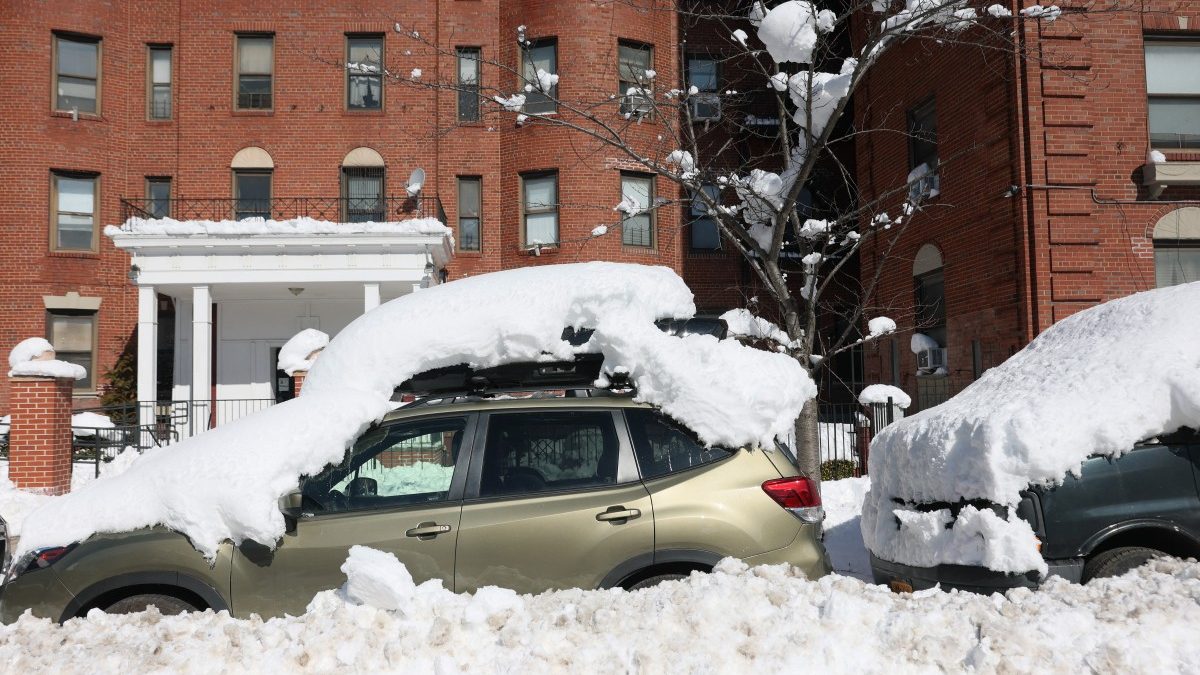 "Zohran Mamdani clashes with NYPD after officers hurt in snowball fight amid Northeast blizzard")
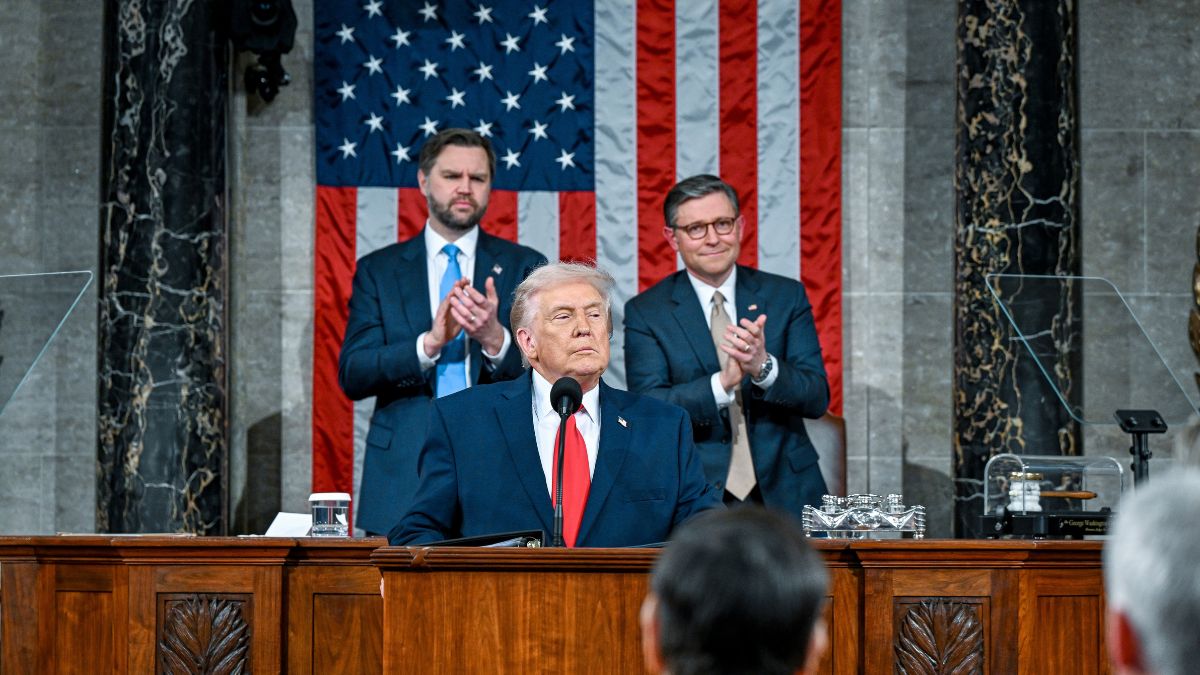 "India-Pakistan war, Iran nukes, tariffs: What Trump spoke of in longest State of Union speech")
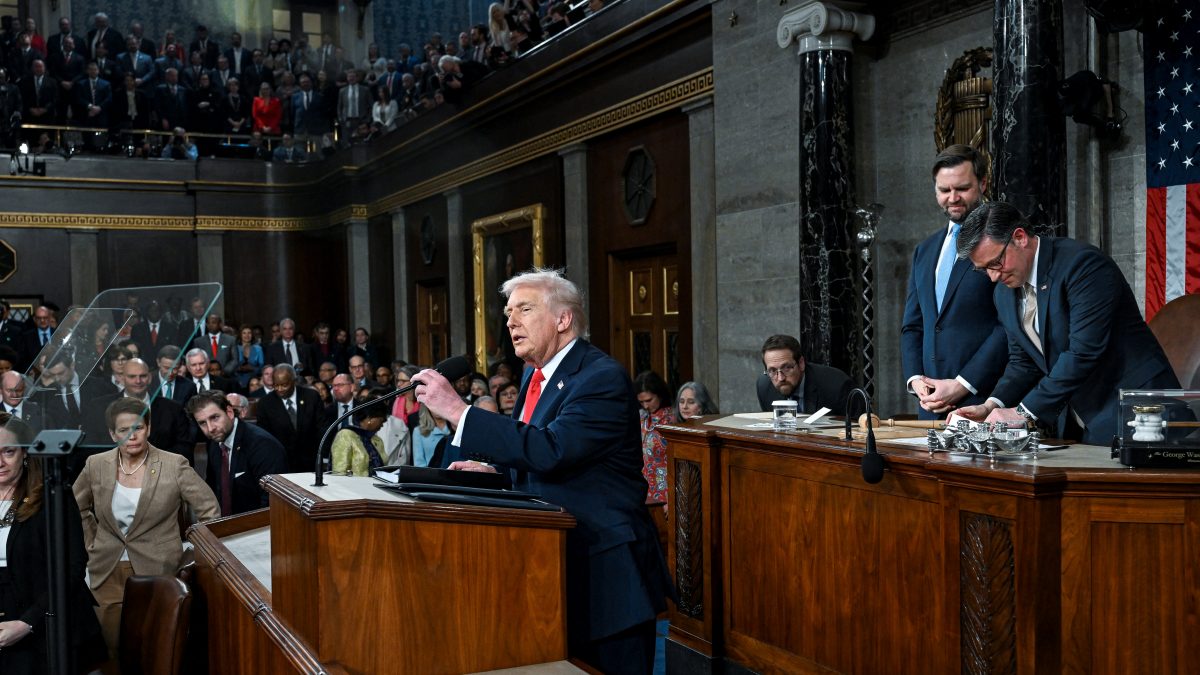 "State of the Union: Trump says 'almost all' countries want to keep trade deals amid SC's ruling")
 "4 things India need to change against Zimbabwe to stay alive in T20 World Cup 2026")
 "Zohran Mamdani clashes with NYPD after officers hurt in snowball fight amid Northeast blizzard")