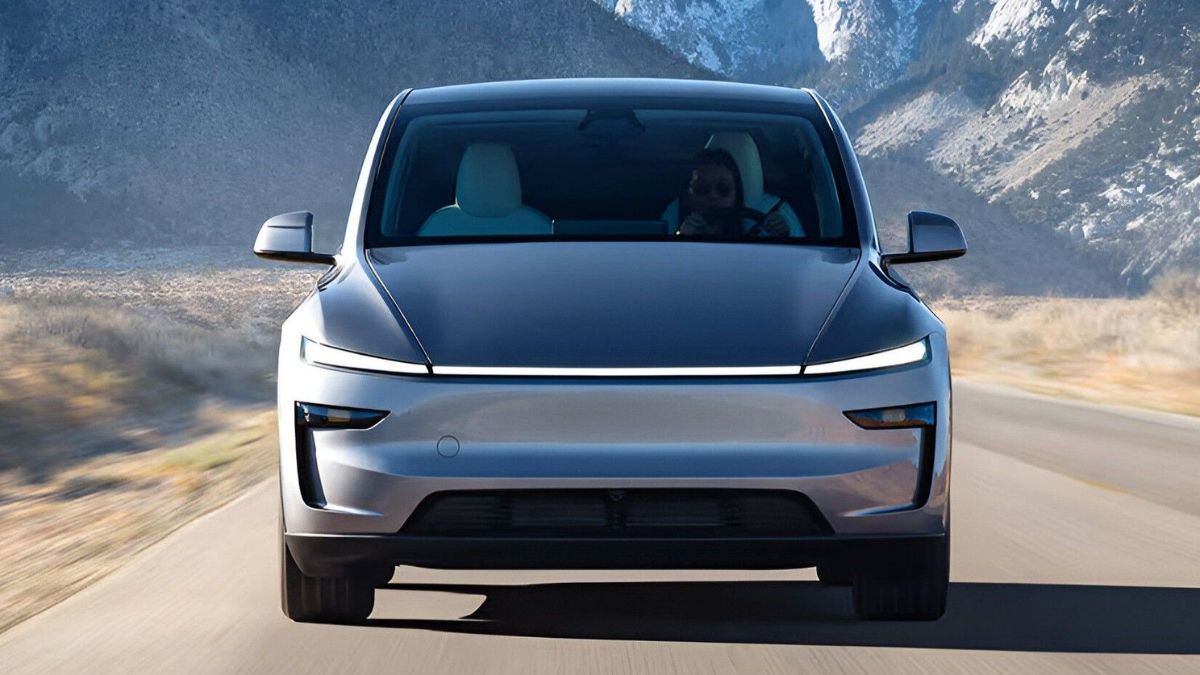
 "ACKO Expands EV Insurance Portfolio With Tesla-Linked Products And Smart Coverage Plans")
In a move set to accelerate India’s electric mobility ecosystem, ACKO has announced a strategic partnership with Tesla to co-develop data-driven EV insurance solutions. The collaboration will integrate telematics and vehicle data to enable personalised pricing and smarter coverage plans. This comes at a time when India’s electric vehicle market surpassed 1.67 million units in 2024, highlighting a surging demand for EV-specific insurance solutions.
Here’s how ACKO’s latest partnership with Tesla is shaping the next phase of data-driven EV insurance in India.
What is the Current EV Insurance Presence of ACKO?
ACKO General Insurance now constitutes motor insurance, accounting for approximately 40% of the total portfolio. Electric vehicles (EVs) comprise approximately 10% of the business. This implies that EV insurance remains a minor segment of the ACKO business today.
ACKO is balancing the growth in this segment. It has initiated a venture with Tesla to provide EV-related insurance. This insurance uses vehicle data and telematics to enable more effective risk analysis and pricing.
Another product ACKO offers is Electric car insurance. The distinguishing features include zero paperwork, online purchase/renewal, and digital claim settlement. For example, the official website highlights that you can purchase or renew electric car insurance in minutes via its app or online portal.
How does the Tesla-Linked Insurance Initiative Work?
ACKO has emerged as one of Tesla’s preferred insurers in India. Through this tie-up, Tesla owners continue to avail embedded insurance, from quote to cover to claim. ACKO is an insurance company that relies on connected-car data and telematics (where, when, and how the car is being used) to offer usage-based insurance rather than flat insurance premiums.
As part of a partnership with Tesla, ACKO will launch a set of special add-ons for EV-related risks. These add-ons include battery damage, charger-related risks, and high-end electronics. Focusing on data privacy, ACKO aims to develop models that maintain data transparency.
Role of Data and Telematics in Smarter EV Insurance Portfolio
Let us find out the role of data and telematics towards building a smarter EV insurance portfolio, applicable for both bike insurance and car insurance.
Insurers consider telematics devices or apps to monitor how, when, and where a vehicle is driven.
In car insurance, this is applied so that a driver with less car usage who drives safely and does not exceed the speed limit can pay a lower premium.
For EVs, data is captured on battery health, charger data, and high-voltage electronics.
Bike insurance is also proven to benefit when connected technology (sensors, GPS) helps measure usage and behaviour, although it is not as old as car insurance.
The insurer can shift to a flat premium system to a “pay-how-you-drive” or a “pay-as-you-go” system.
Through smart data, insurers can identify risky driving behaviours, detect fraud, and reward/discount safe drivers.
In the case of EV vehicle insurance (car or bike), telematics provides an advantage, as the most significant risks (battery, charger, software) differ from those in petrol vehicles.
Challenges Faced While Expanding EV-Specific Insurance
The primary challenges ACKO faced during the expansion of the EV-specific insurance accounts include:
The combination of data and telematics requires the complete consent of customers and powerful data protection systems.
Maintaining alignment among EV manufacturers (OEMs), dealer networks, lenders, and repair networks adds complexity to the operations process.
EVs are costly to maintain (battery packs and sophisticated electronics), which raises repair and replacement costs and poses a liability for insurers.
Policies regarding networked vehicles, tele-technology, data use, and consumer privacy are changing. This regulatory uncertainty complicates the establishment of risk-specific pricing models for EVs.
The problem is building customer trust and raising awareness of EV-related insurance features. The differences in the risks of EV vehicles are yet to be clear to buyers.
Bottom Line
The Tesla-linked insurance plan by ACKO marks a significant shift towards smarter EV protection. It encourages the utilisation of driving data, battery health data, and telematics knowledge to make personalised premiums.
ACKO also plans to offer EV-related accessories, such as battery covers, charger protection, and electronic component safety. These are superior features to the standard car insurance schemes. The growing number of EVs in India requires insurers to change. ACKO’s approach establishes a trend toward data-driven, transparent, and customer-oriented insurance.