Firstpost spoke to Delhi Belly director Abhinay Deo on the success and critical acclaim of the film. He spoke about making simple movies, item numbers and women and how it was a conscious choice to not make a hypocritical film. On whether he had doubts about the film’s commercial success because of the language of the film: Yeah I was skeptical about the film doing well. It could have oscillated between a super flop and a super hit. We did know during our test screenings that the response was humongous, particularly from the target audience. I was ecstatic to know that people had really taken a liking to the movie. On making a film that has no cinematic message at the end: We’re not giving out a tangible message in this film. We’re not saying that there is a certain issue and here’s the solution. I’m not giving them something they can carry on their conscience. Perhaps at the subliminal level there is a message. I would really want to know what they’re taking home from the film because for me this film had none. [caption id=“attachment_39570” align=“alignleft” width=“380” caption=" For me this film had no message: Abhinay Deo. Shruti Dhapola/Firstpost"]  [/caption] On the film being hailed as bold and experimental and bearing the morality burden: I don’t think through this film we are trying to challenge the usual Bollywood formula. We’re showing that this also works and trying to open a new chapter. Where morality is concerned, we took a stand that we won’t be hypocrites; no double standards. There are people who are objecting to the language of the film. I say that if students today talk like that and there is no moral policing on them — there shouldn’t be any, then it’s not wrong that we show that in cinema, which is a mirror of society. But we’re not saying this is the only youth of India either. But Delhi Belly is not a bubble gum film. On item numbers, women and sex in the film: Aamir’s item number was always an integral part of the film. When Imran interviews Anushka, you think she’s a total twit and it seems like a horrible song ( I hate you like I love you). But she comes back in the end and proves everyone wrong. We wanted Aamir to be a part of this song. The idea to have Aamir in the song was mine and the writers. We took this whole idea of an item song and just had fun with it. I think it’s time Bollywood shows some more substance-oriented women. I believe that we’re done with showing women as sex objects or as arm accessories for the male actors. We didn’t want to sensationalise sex. The scene where Shenaz and Imraan are making out, it’s there to suggest a whole lot of meaning. The fact that he’s going down on her is also a sign that she was more over-powering and overbearing in the relationship. The point for me was not just to talk about sex but to talk about it with humour. I did not want to make it into a crass scene where you’d not want to watch it. Vir Das’ line is hilarious but done without being loud and unnecessary. [fpgallery id=65] Menaka is a woman who’s out there, does her own thing and gets what she wants. Sonia might represent a certain dumb blonde but we did not point her down in anyway. She still has a stand that she takes in the film when she breaks up with Imran and she’s also a person on her own, not just a rich girl. And yes we have broken certain norms of trying to be pretty. We have not shied away from a pimple on somebody’s face to an unbroomed room. Continue reading on the next page On balancing reality and entertainment: I think I just go by my gut feeling when it comes to deciding how much realism. Karan Johar might show it in a certain manner, Anurag Kashyap in another. My parameter would be that I’m making a film for as many people as possible. I don’t want it to be that you know somebody who’s watching the film has to walk out middway because they can’t handle the grit and goriness in the film. Would I do that at the cost of going against reality? I don’t think so. The balance has to be in one’s own head. I chose not to show the shootout but instead the effect in the old couple’s room. There is no thumb rule as to how to resolve the stand off between reality and entertainment. In the end you’ll have to take a call on that which is both commercial without destroying the script of the film. [caption id=“attachment_39591” align=“alignleft” width=“380” caption=“Still from Delhi Belly.”]  [/caption] On comparisons with Western movies: I would like to correct people who are drawing the comparisons. It’s the same genre, its caper comedy. Apart from the genre, nothing about the films are similar. It’s like saying 3 Idiots and Dil Chahta Hai are similar, all about three guys. As a director I wanted to keep this film simple. Primarily because the film was written in a format where the audience had to decipher a lot on their own, which is sort of new to Indian cinema. And then it was in English. I had to ground it in the Indian soil. Every possible detail in the film was attempted to make it Indian and we did it with the body language of the boys, the place where they were staying, secondary characters, their language, etc. On Bollywood cinema and its larger than life obsessions: To try and keep something simple is so difficult to execute. You don’t even notice but it makes a difference to you; it need not shout out at you. You don’t have anything to hide behind as a director in a simple film. You see a film like Life is Beautiful, No Man’s Land or a comedy called Chup ke Chup ke. There is nothing to hide behind in that film. Directors hide behind technology, give it loads of effects, zip-zap, screens, make it larger than life. Transformers has pretty much the same story in all three films. There are so many things that directors hide behind in a movie and it’s often to cover up flaws in the movie; flaws of direction, acting, plot, bad dialogues, etc. There are too many layers to hide behind in a complicated film, not to deny that the complications are difficult to execute. All I’m asking myself is what is the content of the film. Directorial prowess is so important in a simple film.


)
)

 "Israel targets top Hamas leaders in Doha; Qatar, Iran condemn strike as violation of sovereignty")
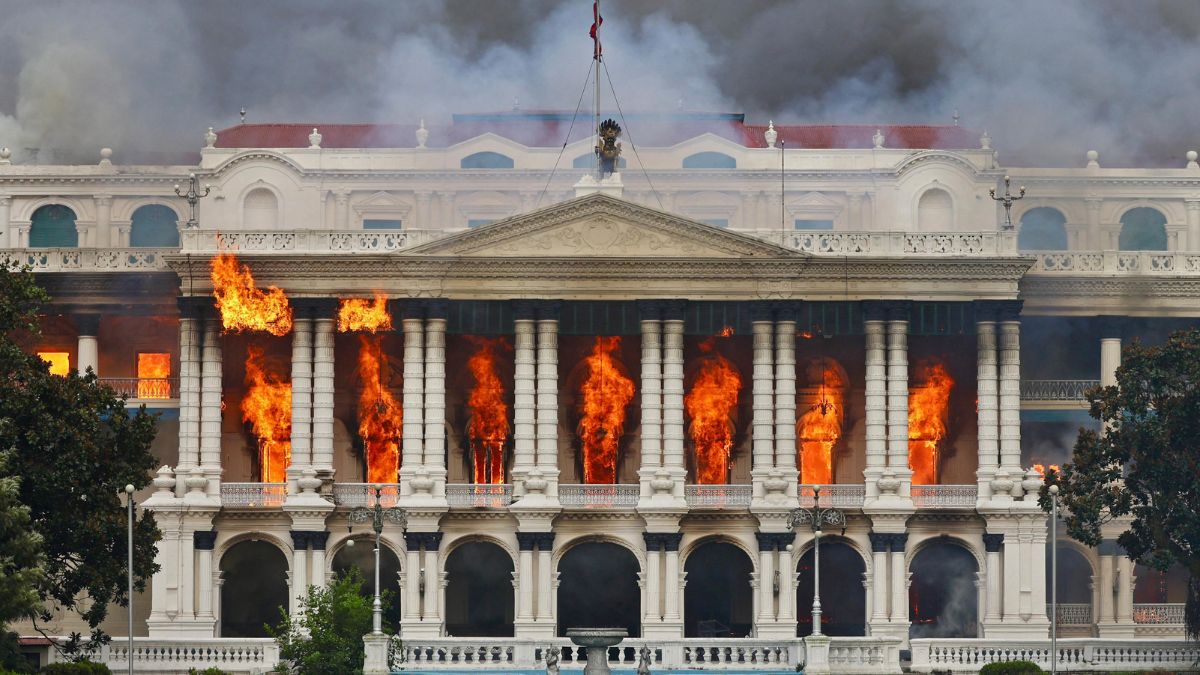 "Nepal: Oli to continue until new PM is sworn in, nation on edge as all branches of govt torched")
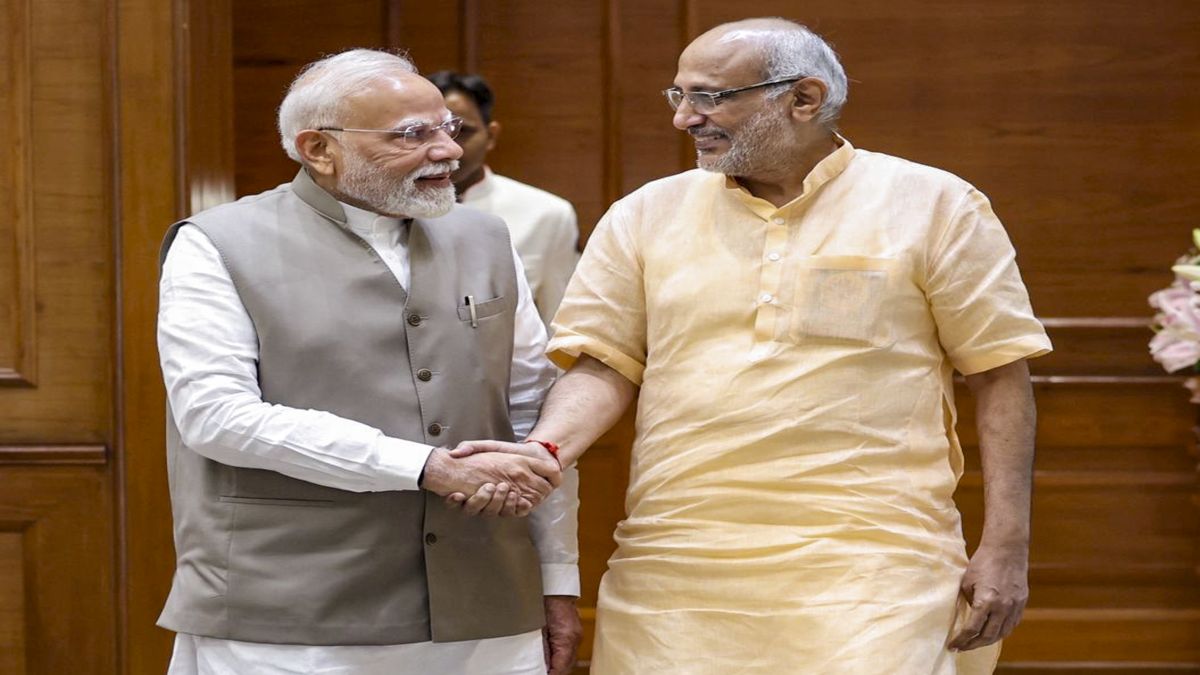 "Who is CP Radhakrishnan, India's next vice-president?")
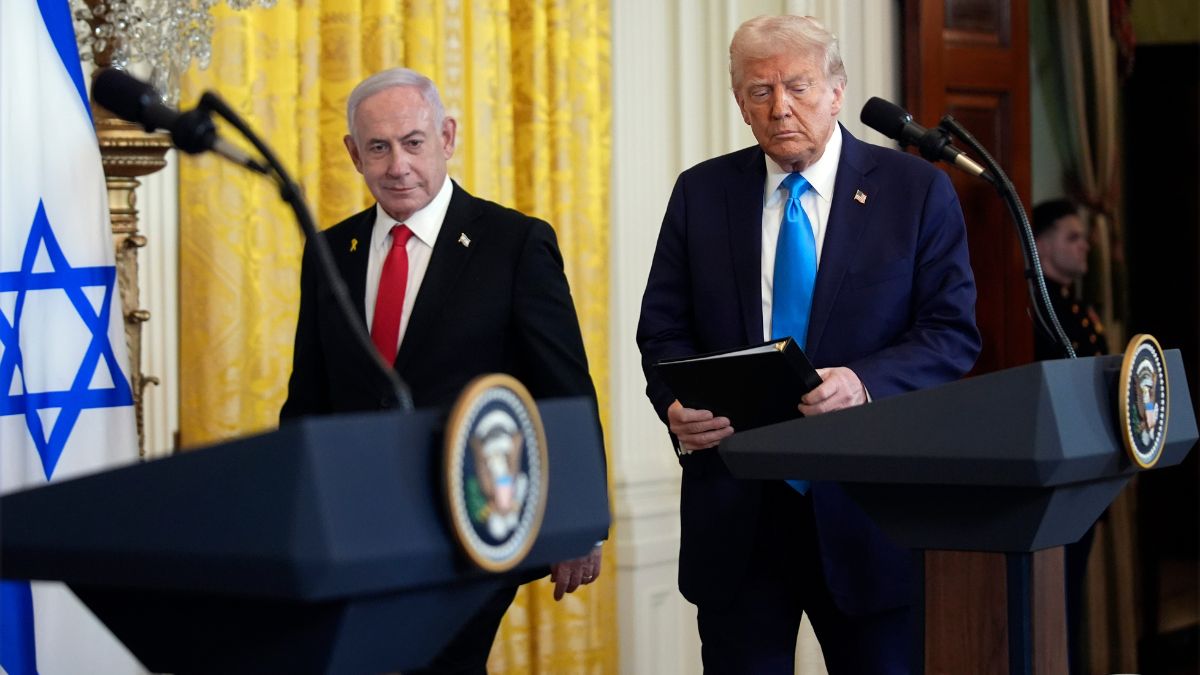 "Israel informed US ahead of strikes on Hamas leaders in Doha, says White House")
 "Israel targets top Hamas leaders in Doha; Qatar, Iran condemn strike as violation of sovereignty")
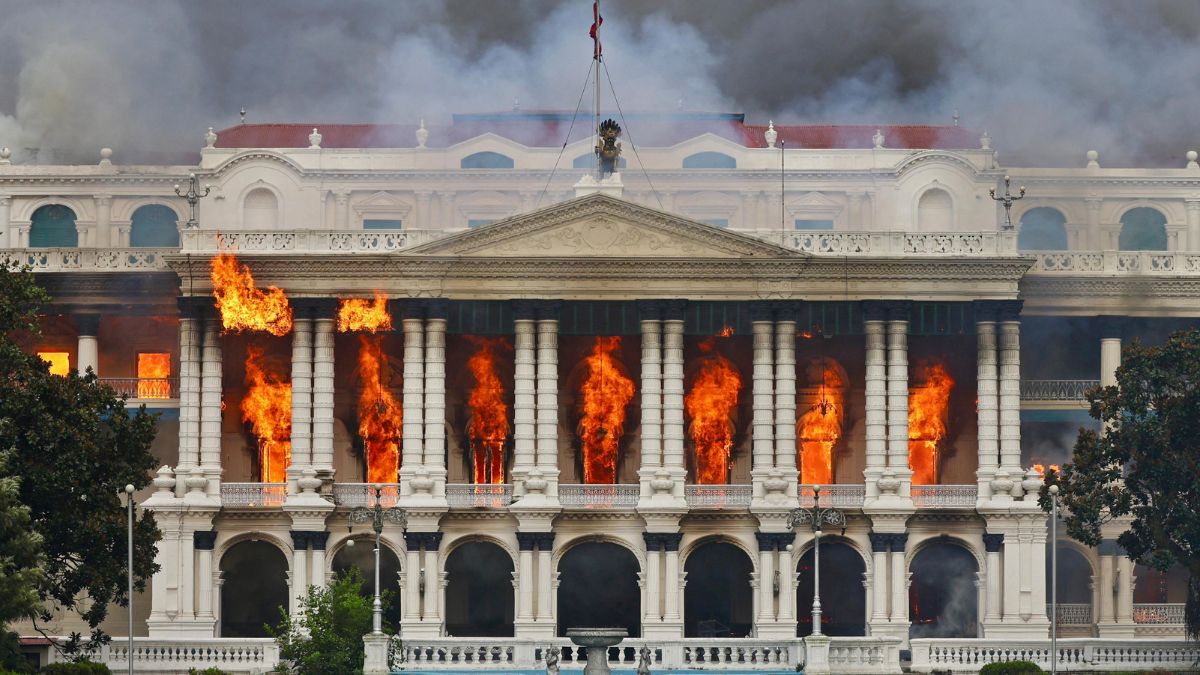 "Nepal: Oli to continue until new PM is sworn in, nation on edge as all branches of govt torched")
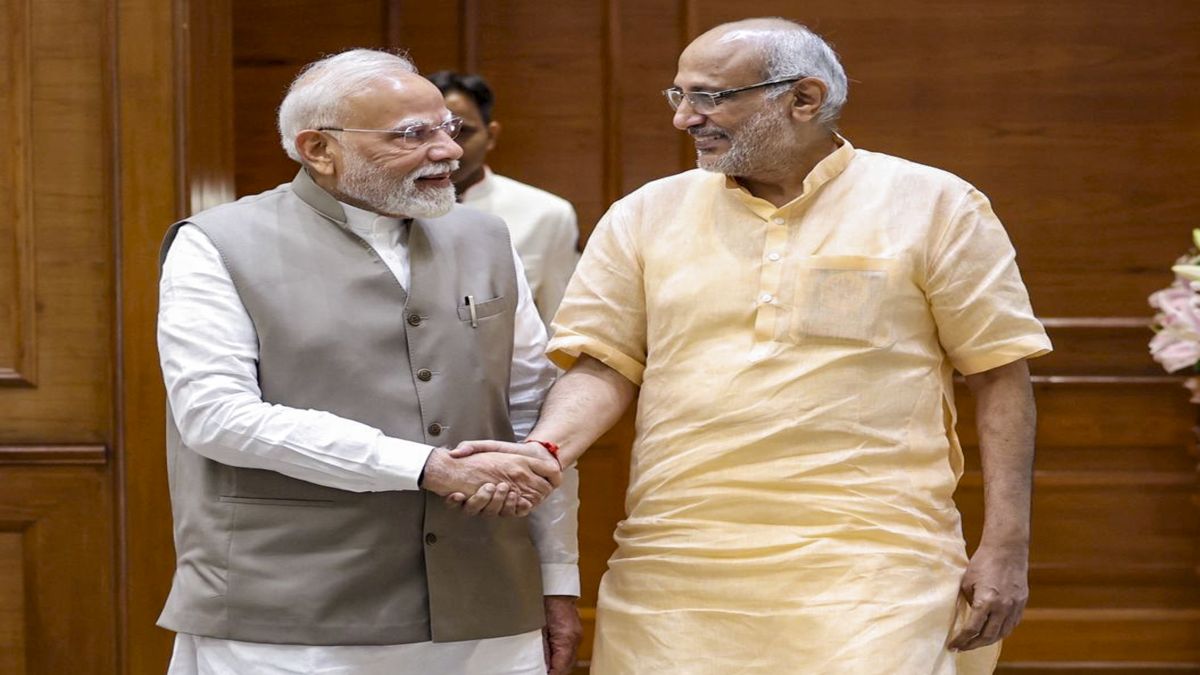 "Who is CP Radhakrishnan, India's next vice-president?")
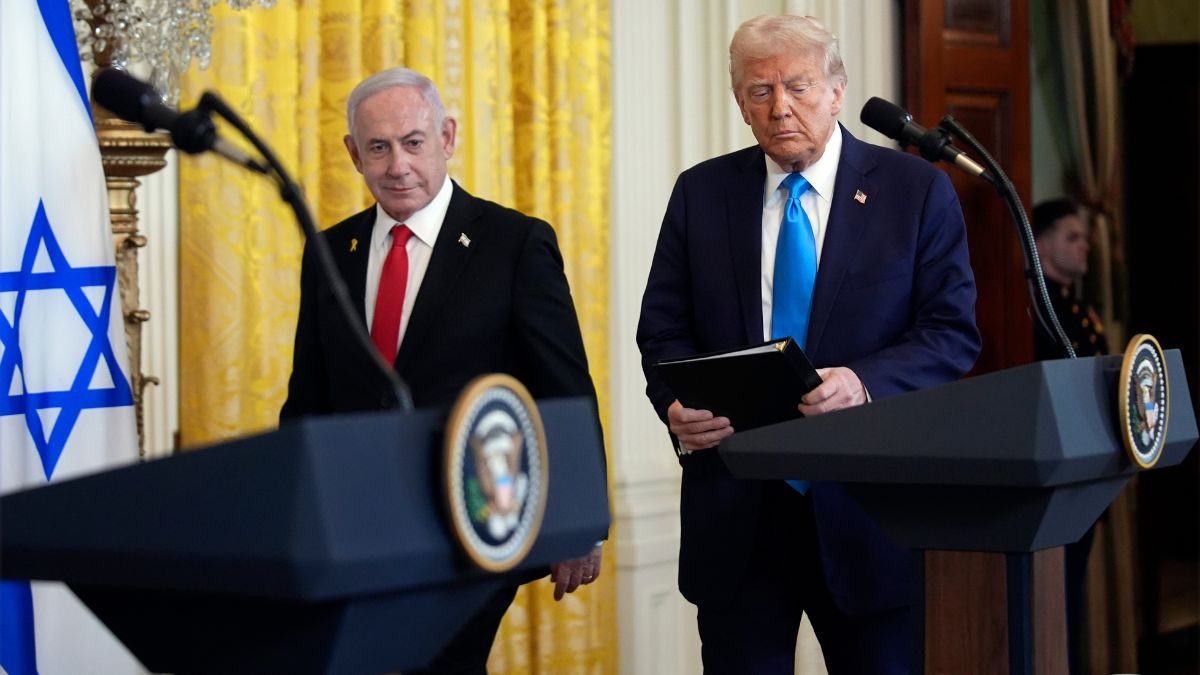 "Israel informed US ahead of strikes on Hamas leaders in Doha, says White House")



