

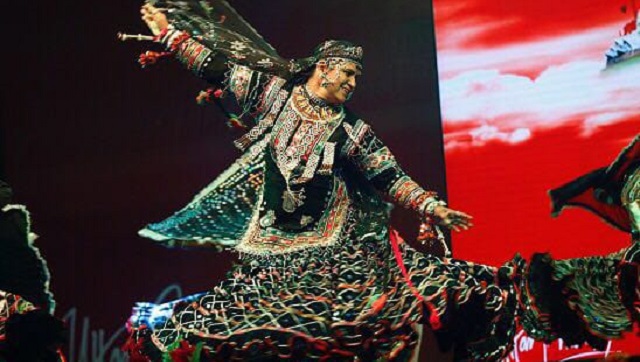
 "Renowned Kalbeliya artist Gulabi Sapera on her determination to dance, acts of resistance")
At the recent Jaipur Literature Festival, Gulabi Sapera chatted with her mentor Tripti Pandey and told stories of her life that were so far unheard. One Dhanteras evening, around 50 years ago, at about 7 pm, a daughter was born into a Kalbeliya (or Sapera - a nomadic tribe of snake charmers) family in a remote village called Kotda in Rajasthan. Like many others communities back then, this one was not known to be kind to its girl children, and the infant was taken away and buried alive. But, her determined mother fought the odds and the village folk, and five hours later found where her daughter was buried and dug her out. The child was alive, brought home and named Dhanvantri. Dhanvantri, or Gulabi Sapera as the world knows her today, is the single largest proponent who put the Kalbeliya dance form on an international platform. This Padma Shri awardee, whose family was once ostracised for allowing her to dance, now has proud supporters among community members. Their hope, they tell her, is to have a Gulabi take birth in their homes too. Debuting at the Jaipur Literature Festival, Gulabi says she is grateful to the divine that her achievements as an internationally renowned dancer have saved hundreds from female infanticide in her community. “Saving girls has been the biggest win. We were not allowed to step out of the home, let alone work or dance. There were no salwar suits for us, only 20 meter ghaghras and a ghunghat. Studying was out of the question as was living anywhere outside the village,” she says in an interview after her session. But, all that has changed over the last four decades and today the children, especially the girls of the community are educated, work in cities and follow their dreams. A career spanning 40 years and counting Taking her back to the beginning, I asked her what her earliest memories of dancing were, since she accompanied her snake charmer father when he set out. “I remember being mesmerised by the music of the pungi (a wind instrument) and the dhaphli (a percussion instrument). I would move the way the snakes did and it felt natural to me,” she says. She adds though that she distinctly remembers her father being chided for making his daughter dance and “earning off her back”. His retort was telling of those times – “When with me and dancing, she remains safe. Left alone, she may be killed by the community for the crime of being alive when it was deemed that she should not be.” Life changed completely when, as a child of seven years, Dhanvantri was spotted by Tripti Pandey and Himmat Singh of the Rajasthan Tourism Department while dancing at the Pushkar Mela. They took her under their wings and against all odds, Dhanvantri performed in America, in the mid-1980s. Things took off from there. It was her father who renamed her Gulabi, a name that changed to Gulabo, before a performance in Haryana. She laughs when she says she prefers Gulabi. Across her 40-year career, Gulabi says she has lost track of the countries she has visited. “I have a home in France and Denmark, have sang countless times on international radio stations, and have worked on music albums with international artistes too,” she says. Her albums like Rakhi and Musique du Rajasthan continue to rank high.
Life changed completely when, as a child of seven years, Dhanvantri was spotted by Tripti Pandey and Himmat Singh of the Rajasthan Tourism Department while dancing at the Pushkar Mela.
Advertisement

End of Article

 "Charlie Kirk, shot dead in Utah, once said gun deaths are 'worth it' to save Second Amendment")
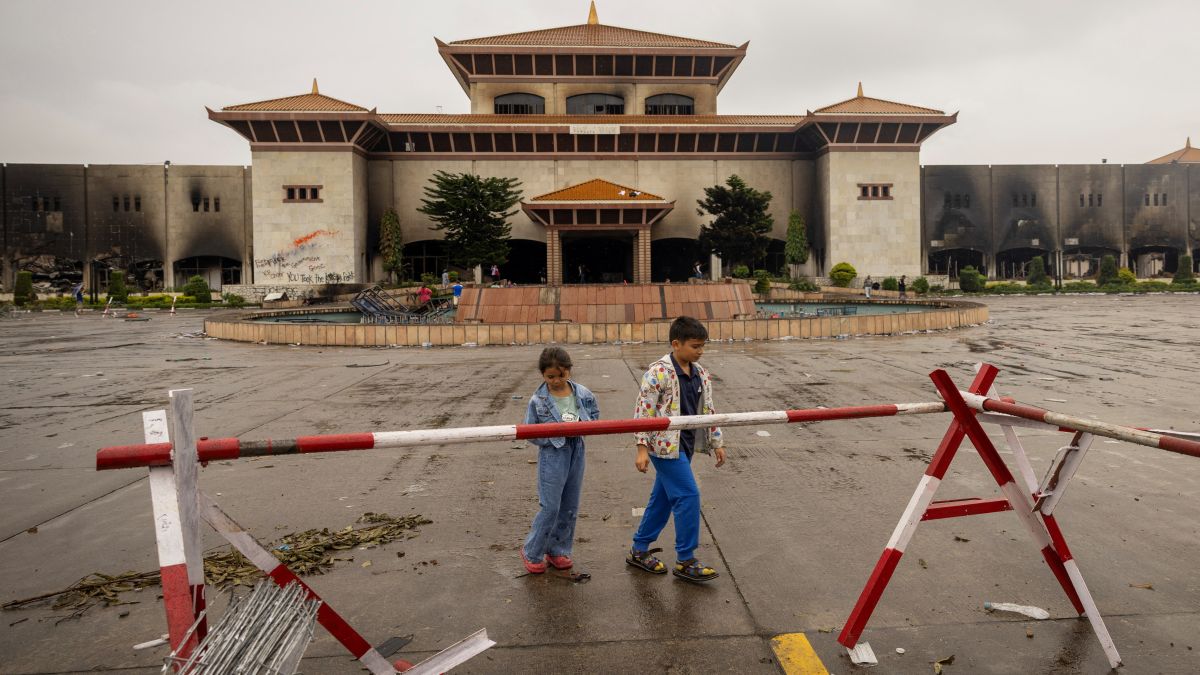 "From governance to tourism, how Gen-Z protests have damaged Nepal")
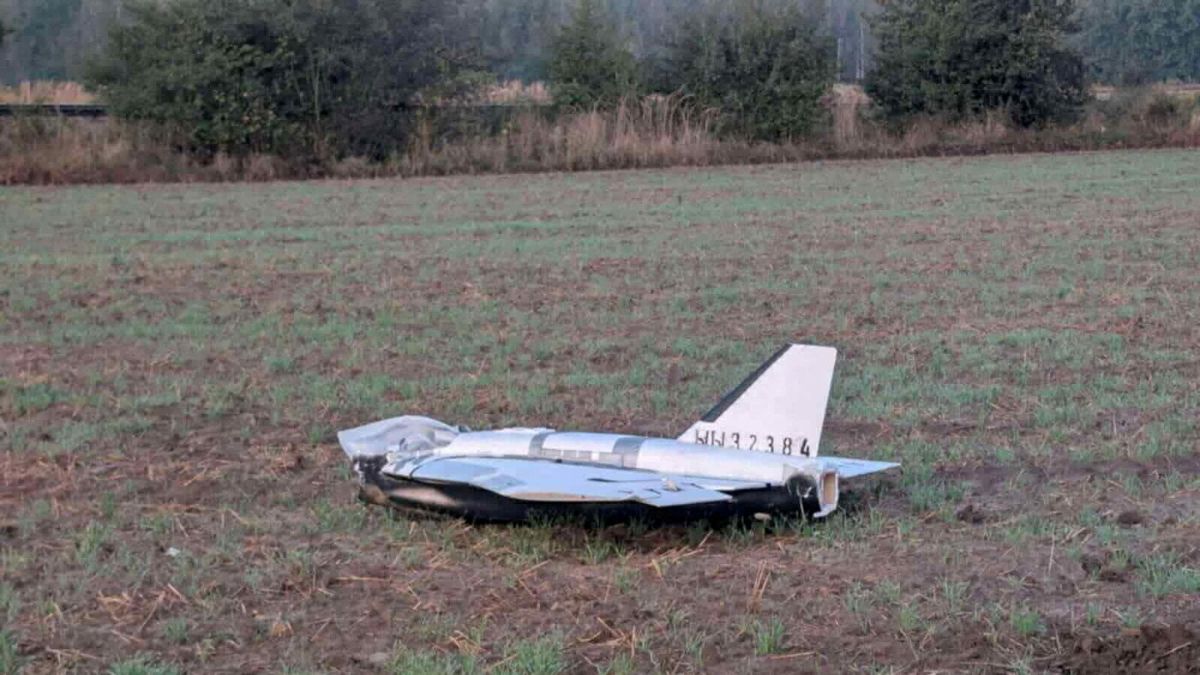 "Did Russia deliberately send drones into Poland’s airspace?")
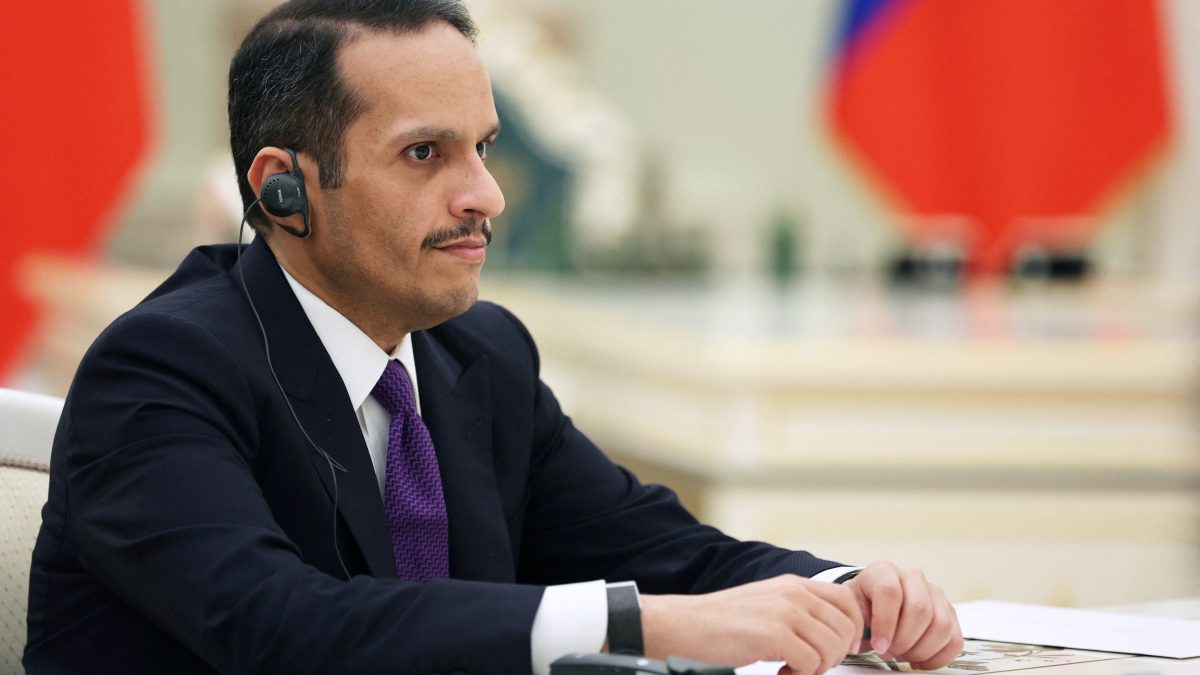 "Netanyahu ‘killed any hope’ for Israeli hostages: Qatar PM after Doha strike")
 "Charlie Kirk, shot dead in Utah, once said gun deaths are 'worth it' to save Second Amendment")
 "From governance to tourism, how Gen-Z protests have damaged Nepal")
 "Did Russia deliberately send drones into Poland’s airspace?")
 "Netanyahu ‘killed any hope’ for Israeli hostages: Qatar PM after Doha strike")



