

 "Happy Birthday Wikileaks - Where is the knowledge in your information?")
As my dad once said, nothing is secret anymore. We may be able to land some of the blame, or thanks, for that, at the doorstep of Wikileaks. Marking its fifth anniversary on Tuesday with the blunt line of “5 years of crushing bastards”, according to its Twitter feed, the non-profit agency has certainly made a name for itself. Wikileaks has released millions of files into the public domain, sent to them anonymously from around the world from inside governments and businesses. It has exposed the lies, half truths, manipulations and diplomatic dances of embassies, the deaths of civilians in warzones and much more. Far from the slight arrogance of “crushing bastards”, and the bizarre world inside the head of Wikileaks director Julian Assange, it is worth looking at base fundamentals for the site. [caption id=“attachment_99590” align=“alignleft” width=“380” caption=“Marking its fifth anniversary on Tuesday with the blunt line of “5 years of crushing bastards”, according to its Twitter feed, the non-profit agency has certainly made a name for itself. Image courtesy wikileaks.org”] 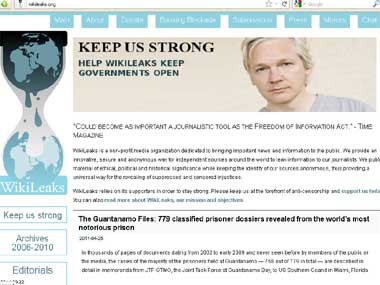 [/caption] Wikileaks cites in its founding principles Article 19 of the Universal Declaration of Human Rights, which states: “Everyone has the right to freedom of opinion and expression; this right includes freedom to hold opinions without interference and to seek, receive and impart information and ideas through any media and regardless of frontiers.” This is a human right, and should be championed. But the interpretation of “impart information” is where people disagree with Wikileaks. News organisations have a duty to “impart information” in the public interest, but that sometimes has caveats. If a local town council was planning a women’s shelter, a newspaper could not publicise the location because it might put the safety of the women at risk. The diplomatic cables released last year certainly bruised some reputations, but the bigger dispute was whether it put lives at risk. Sometimes harm to an individual is unavoidable in the pursuit of news in the public interest, but the public impression after the past year is not that Wikileaks is looking out for the little guy; it’s looking to bring down the big guys. Wikileaks says it is a news organisation. Certainly, it picked up the torch of journalism in many ways. As the traditional print news industry shrank in the last two decades against the expanding bubble of digital and TV, investigative journalism was squeezed. It takes money and time to investigate any subject, and ever fewer businesses are willing to do anything other than speculate endlessly on Amanda Knox or judge whatever was worn by whichever celebrity while taking out the trash. But on a more fundamental level, as journalism got more high tech, we forgot about how to protect our sources from all the information they accidentally send us anytime they get in touch through email addresses or GPS tags or metadata. And we did nothing to maintain or build up trust with the public, who ultimately decide whether we are worthy of telling their stories. So along came Wikileaks, with self-described “military-grade encryption” and a high-tech “drop box” to offer maximum anonymity for whistleblowers. It was not a traditional news outlet with the baggage of scandals or inaccuracies or even made-up news. And because it was all anonymous, the whistleblowers could send anything without consequences. As the website states: “Wikileaks does not record any source-identifying information and there are a number of mechanisms in place to protect even the most sensitive submitted documents from being sourced. We do not keep any logs. We can not comply with requests for information on sources because we simply do not have the information to begin with. Similarly we can not see your real identity in any anonymised chat sessions with us.” No mainstream news organisation, often with very public office buildings, can offer such protection. Some, such as the Wall Street Journal and Al-Jazeera, have tried to create their own secure methods of inviting submissions directly, rather than having to wait for Wikileaks to deem them worthy of a partnership. But the Electronic Frontier Foundation earlier this year found both to be offering “ false promises of anonymity”. It concluded: “These websites are misleading and based on our review of the fine print, use of them by people who risk prosecution or retaliation for bringing sunshine to corruption, illegal behaviour, or other topics worthy of whistleblowing, is risky at best and dangerous at worst.” That’s a serious indictment of news bodies that TRIED to be like Wikileaks, never mind the ones that haven’t even tried to implement such protections. So certainly, the theory behind Wikileaks have given traditional and future news organisations a model for protecting sources for whistleblowing, which remains a core source of news stories. But if Wikileaks is indeed a news organisation as it says, then it too is not above scrutiny and accountability. But in the world of the anonymous web, nobody is accountable for words or actions anymore. Exposure of any and all information makes the world more free and open in theory, but the question is always who applies the limits to that flow, and why. Big name news bodies such as the New York Times and Guardian put the Cablegate releases through procedures of verification and redacting to protect individuals, without damaging the overall benefits of exposing the knowledge. And that’s a key distinction: names of individuals that might put someone at risk, that’s information; the lessons we learned about how diplomacy operates between nations, that’s knowledge. Wikileaks might definitely have followed Article 19 over the past five years. There is no doubt they “impart information”. Article 12, however, points out that, “No one shall be subjected to arbitrary interference with his privacy, family, home or correspondence, nor to attacks upon his honour and reputation”. Many news organisations need to remind themselves of both of those Articles. And Wikileaks, if it continues for another five years, will likely face ever more scrutiny about whether their flow of information is trampling on the very correspondence they put such high-tech protections upon.
Wikileaks, if it continues for another five years, will likely face ever more scrutiny about whether their flow of information is trampling on the very correspondence they put such high-tech protections upon.
Advertisement
End of Article
Written by Tristan Stewart Robertson
Tristan Stewart-Robertson is a journalist based in Glasgow, Scotland. He writes for Firstpost on the media, internet and serves as an objective, moral compass from the outside. see more

 "Israel targets top Hamas leaders in Doha; Qatar, Iran condemn strike as violation of sovereignty")
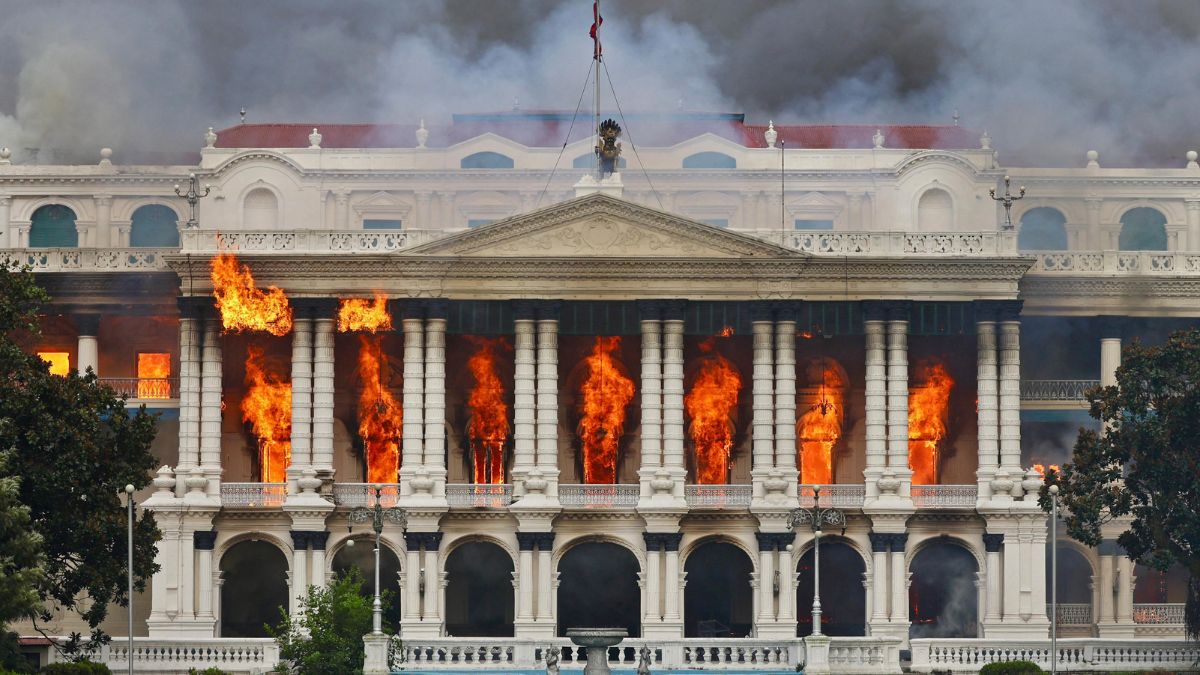 "Nepal: Oli to continue until new PM is sworn in, nation on edge as all branches of govt torched")
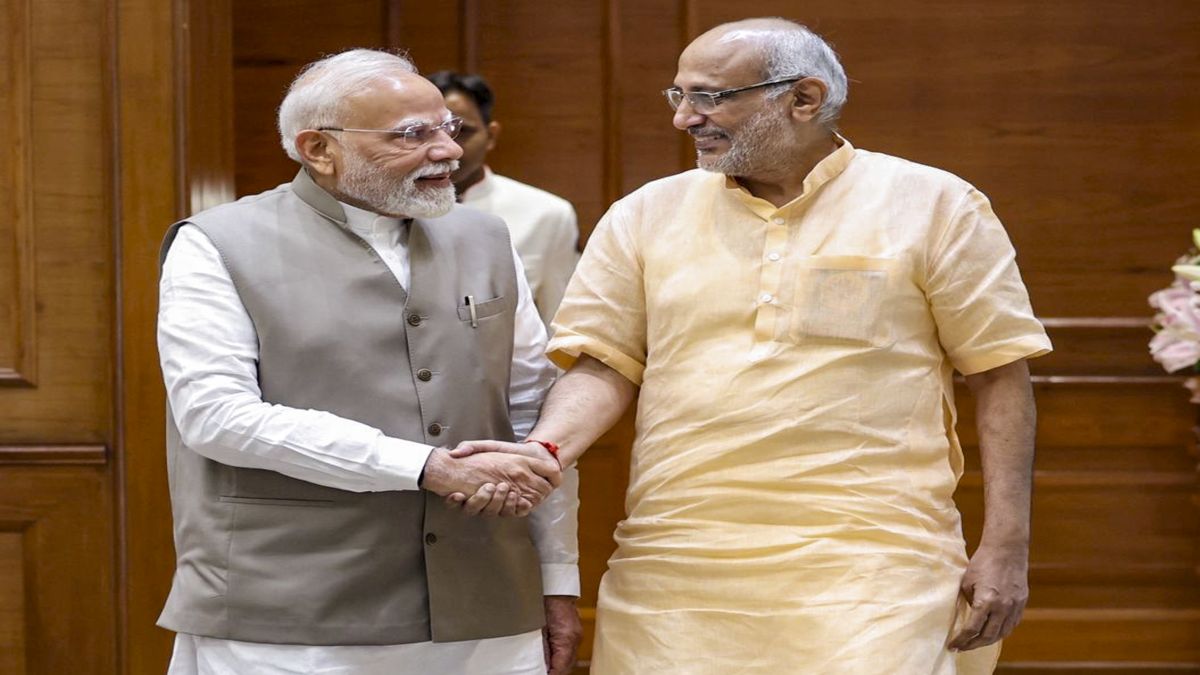 "Who is CP Radhakrishnan, India's next vice-president?")
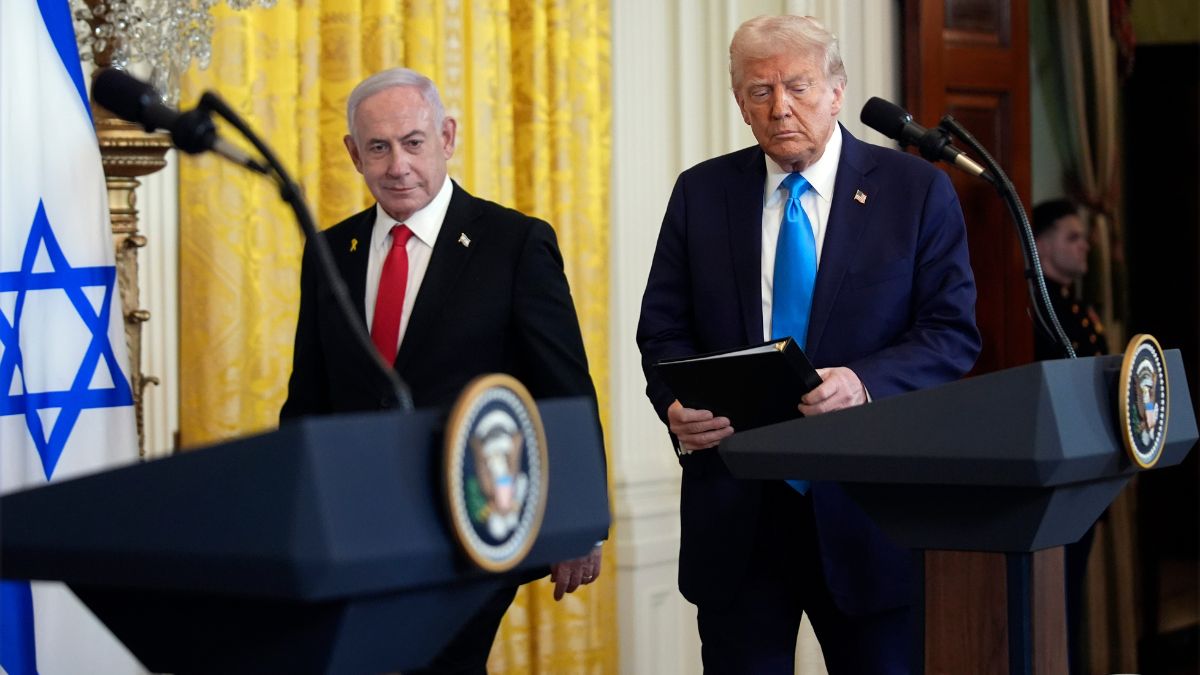 "Israel informed US ahead of strikes on Hamas leaders in Doha, says White House")
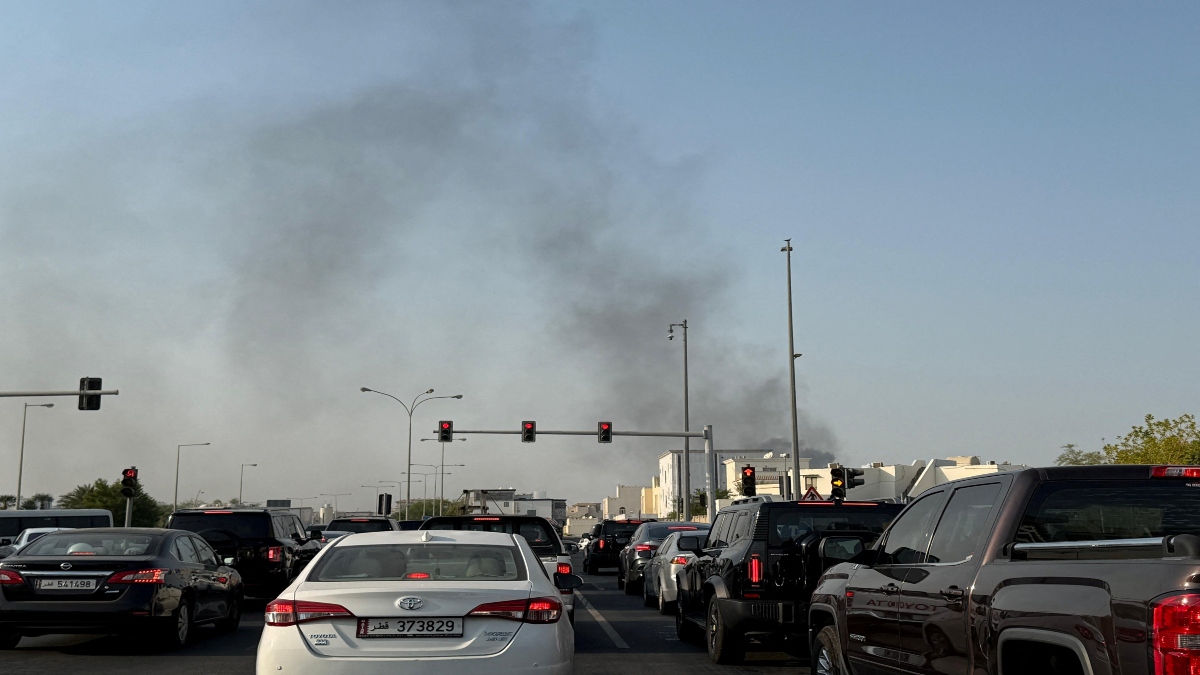 "Israel targets top Hamas leaders in Doha; Qatar, Iran condemn strike as violation of sovereignty")
 "Nepal: Oli to continue until new PM is sworn in, nation on edge as all branches of govt torched")
 "Who is CP Radhakrishnan, India's next vice-president?")
 "Israel informed US ahead of strikes on Hamas leaders in Doha, says White House")



](https://images.firstpost.com/wp-content/uploads/2011/10/wikileaks.jpg)