

 "Entrepreneurs enter race to launch private space industry")
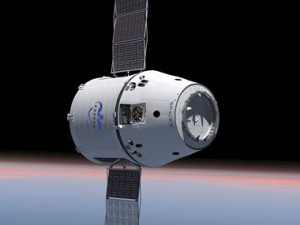
China is celebrating, and none too quietly, the successful launch of its Heavenly Palace space module. The launch was trumpeted as a key step in the country’s ambitions to establish a permanent space station by 2020. The space race of the early 21st Century is definitely an Asian one, with India and China both pushing hard to expand their programmes. However, outer space will not just be a place to plant flags and play national anthems. This new space race is amongst private companies, each rushing to stake a claim on what they believe will be a growing market. In the US, there has been a lot of hand-wringing about the fact that the country now relies on Russian rockets to ferry supplies and astronauts to the International Space Station after the Space Shuttle was retired. That hasn’t just been an issue of national pride but also of safety, as recently a Russian Soyuz rocket failed to lift supplies to the ISS. [caption id=“attachment_96683” align=“alignleft” width=“300” caption=“DragonLab, a reusable orbital vehicle from SpaceX”]  [/caption] However, Nasa has already signed agreements with private companies for test flights to the ISS. Of course, private aerospace companies such as Boeing and Lockheed Martin have always been key contractors for Nasa, but new space entrepreneurs are being tapped to play an even larger role in the space programme than in the past. SpaceX, backed by PayPal founder Elon Musk, had been expected to fly the first flight of its Dragon unmanned freighter to the space station this November, but that date is now in doubt due to the Russian supply mission failure. Musk isn’t the only internet tycoon who is launching a space company. Jeff Bezos, the CEO of e-tailing giant Amazon, is behind Blue Origin, which is building a suborbital flight system. Nasa is partnering with private companies as it works to boost the space industry and cope with cuts to its own funding. Nasa’s Commercial Crew and Cargo initiative has tapped US government economic stimulus funds to “foster entrepreneurial activity leading to job growth in engineering, analysis, design, and research”. Of course, this isn’t just about science and exploration. Another out-of-this-world industry is space tourism. Serial entrepreneur Sir Richard Branson is already booking spots on his Virgin Galactic suborbital flight service for those who want to go where few ordinary citizens have gone before. Virgin Galactic also recently signed a deal with Nasa to fly engineers, astronauts and scientists on its suborbital flights. How long will these companies need to rely on government money? SpaceX, founded in 2002, says that it has been profitable since 2007. It has a contract for 12 service flights to the space station and Musk says that it has “over 40 flights on manifest representing over $3 billion in revenues”. It’s an expensive, high-risk business, but the winners will have a huge opportunity, not only for profits but to be the world’s first private space pioneers.
China launched an unmanned space module this week as part of its programme to build a space station by 2020. Rising nations aren’t the only one with outer space ambitions. Entrepreneurs are racing to become the first private space pioneers.
Advertisement
End of Article


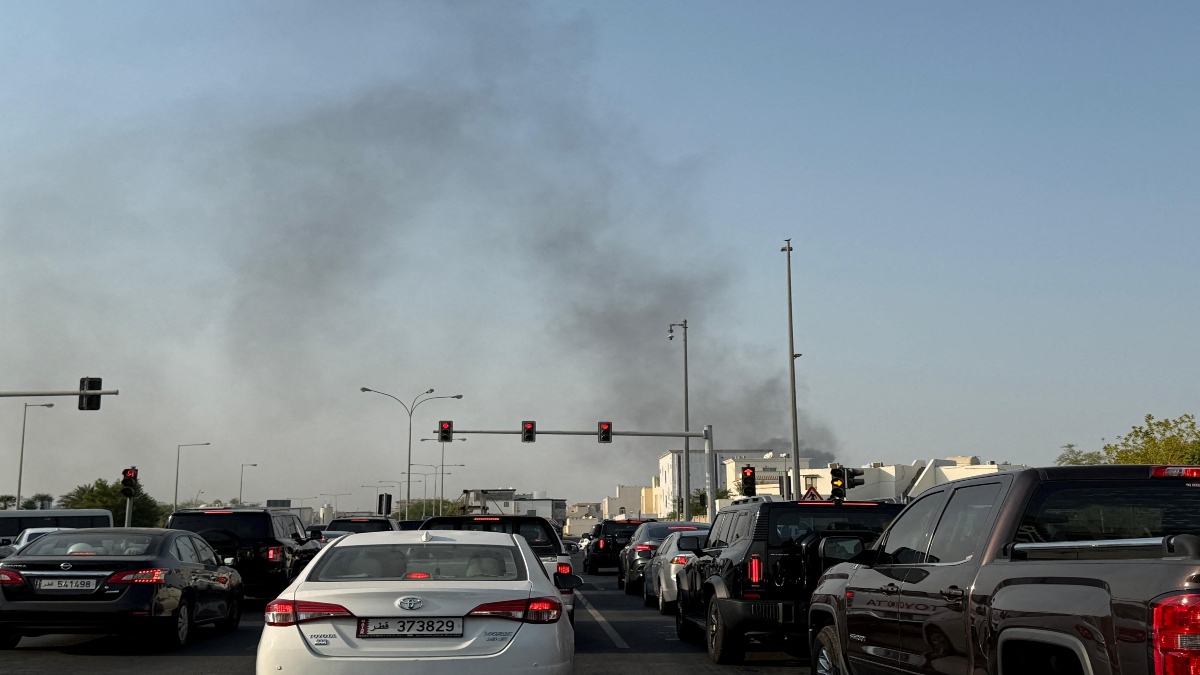 "Israel targets top Hamas leaders in Doha; Qatar, Iran condemn strike as violation of sovereignty")
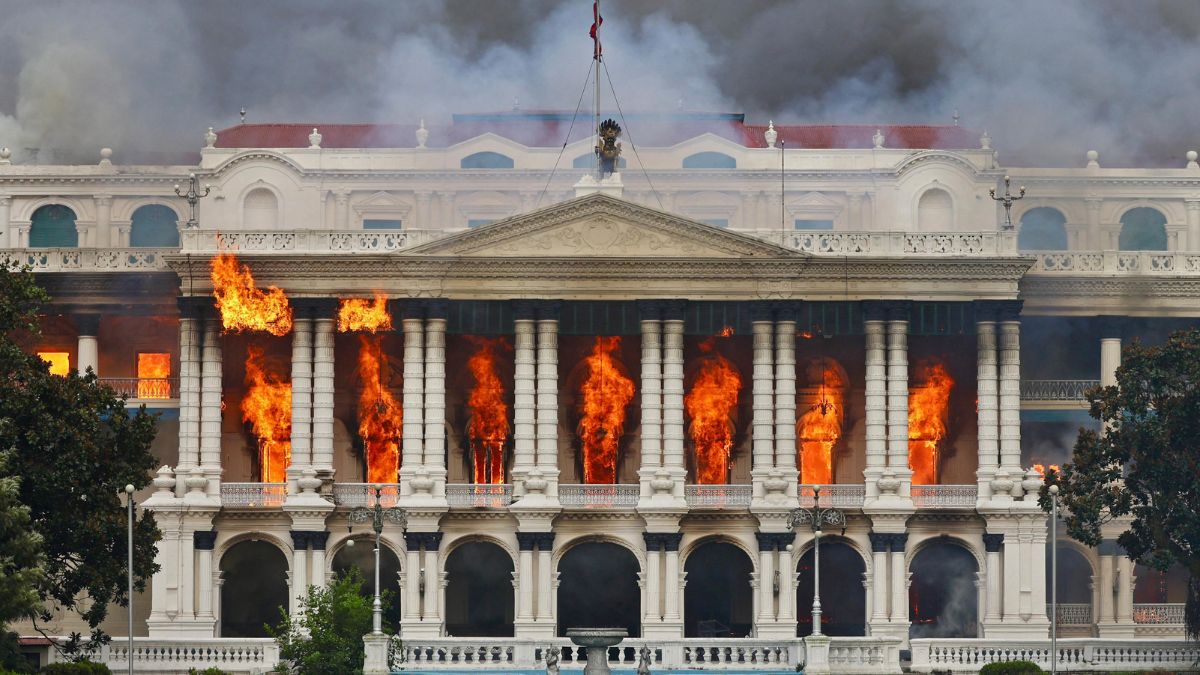 "Nepal: Oli to continue until new PM is sworn in, nation on edge as all branches of govt torched")
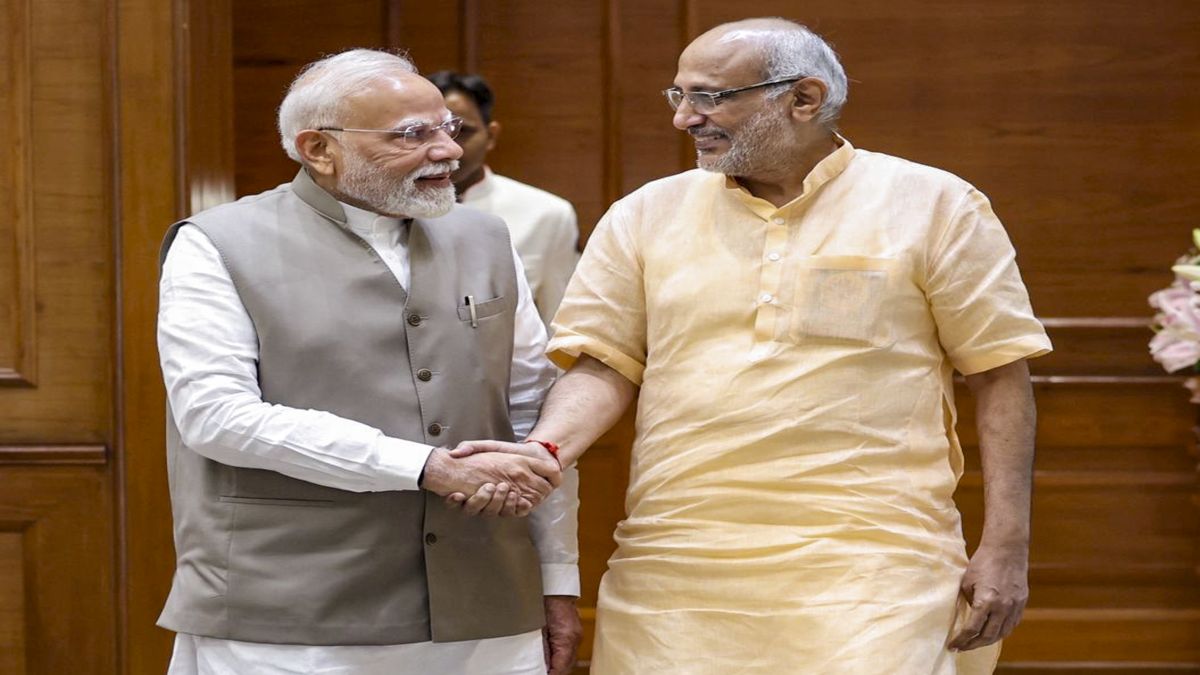 "Who is CP Radhakrishnan, India's next vice-president?")
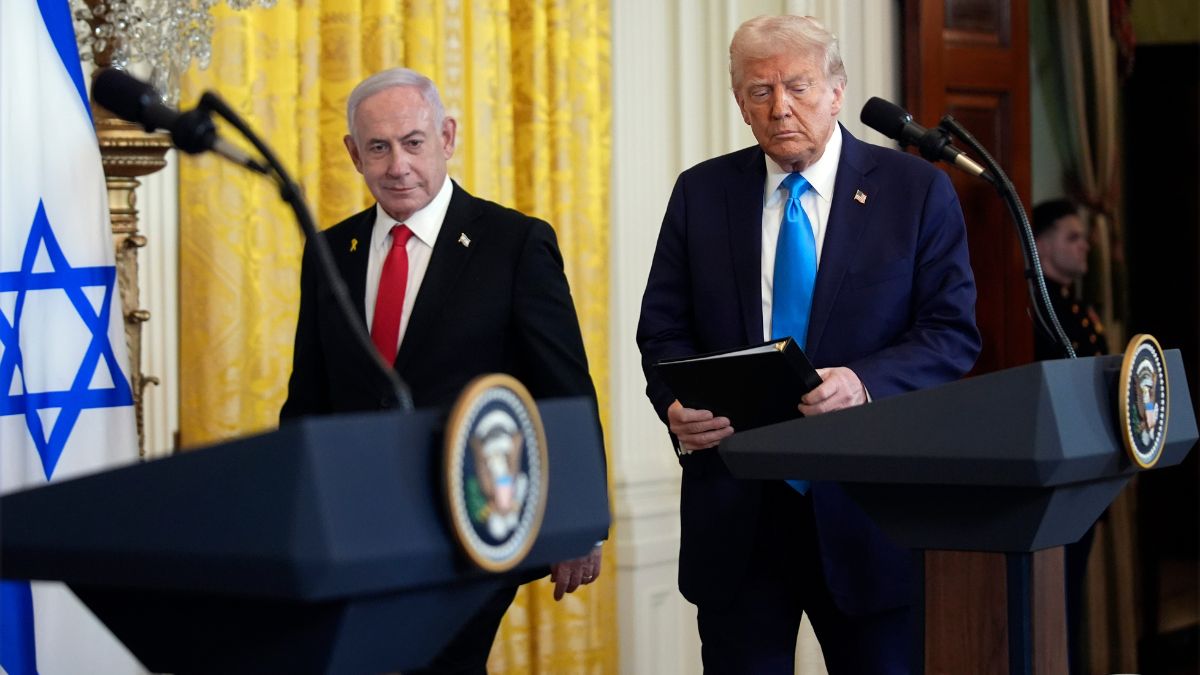 "Israel informed US ahead of strikes on Hamas leaders in Doha, says White House")
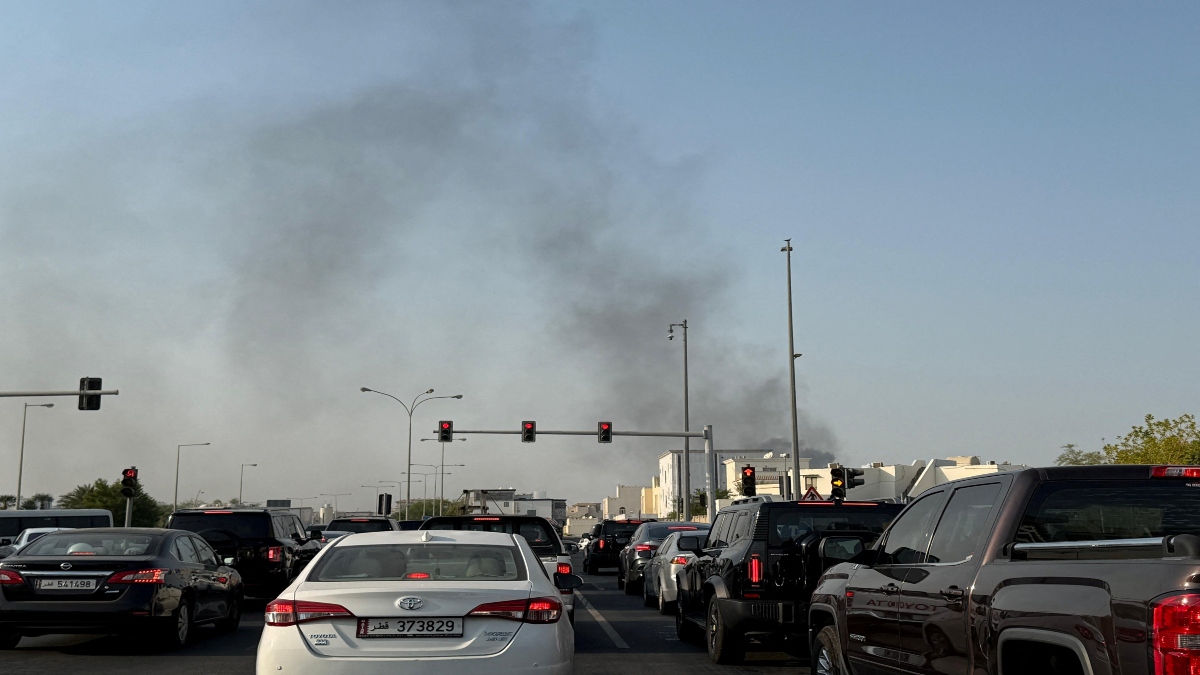 "Israel targets top Hamas leaders in Doha; Qatar, Iran condemn strike as violation of sovereignty")
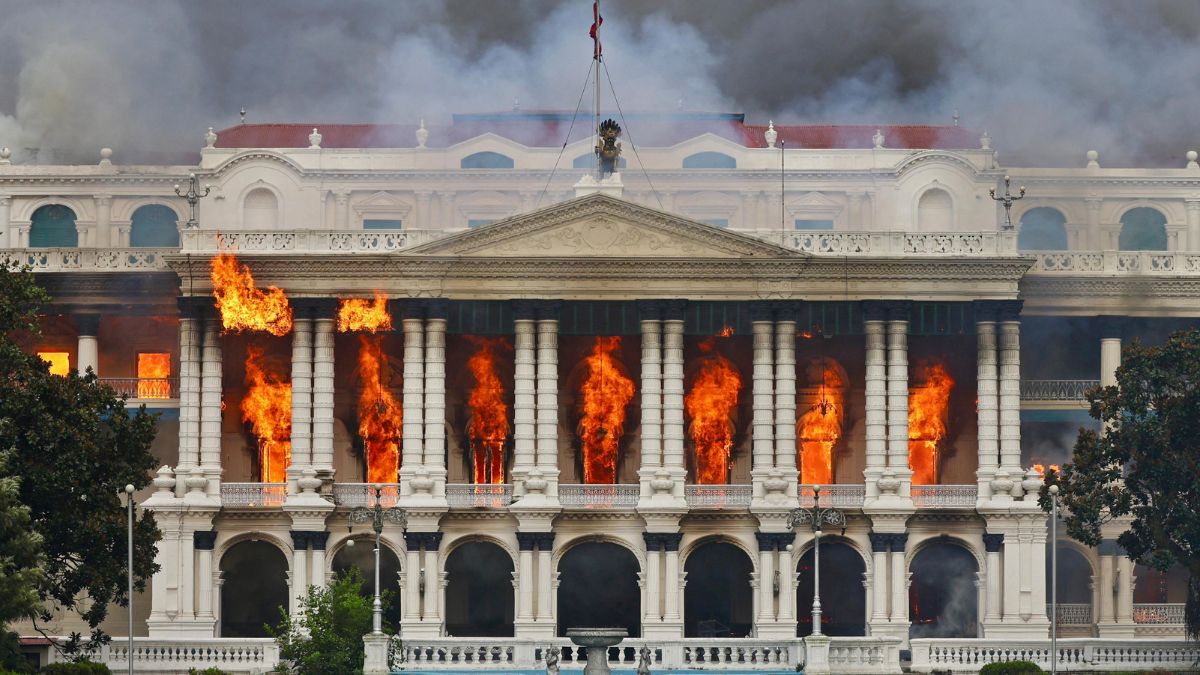 "Nepal: Oli to continue until new PM is sworn in, nation on edge as all branches of govt torched")
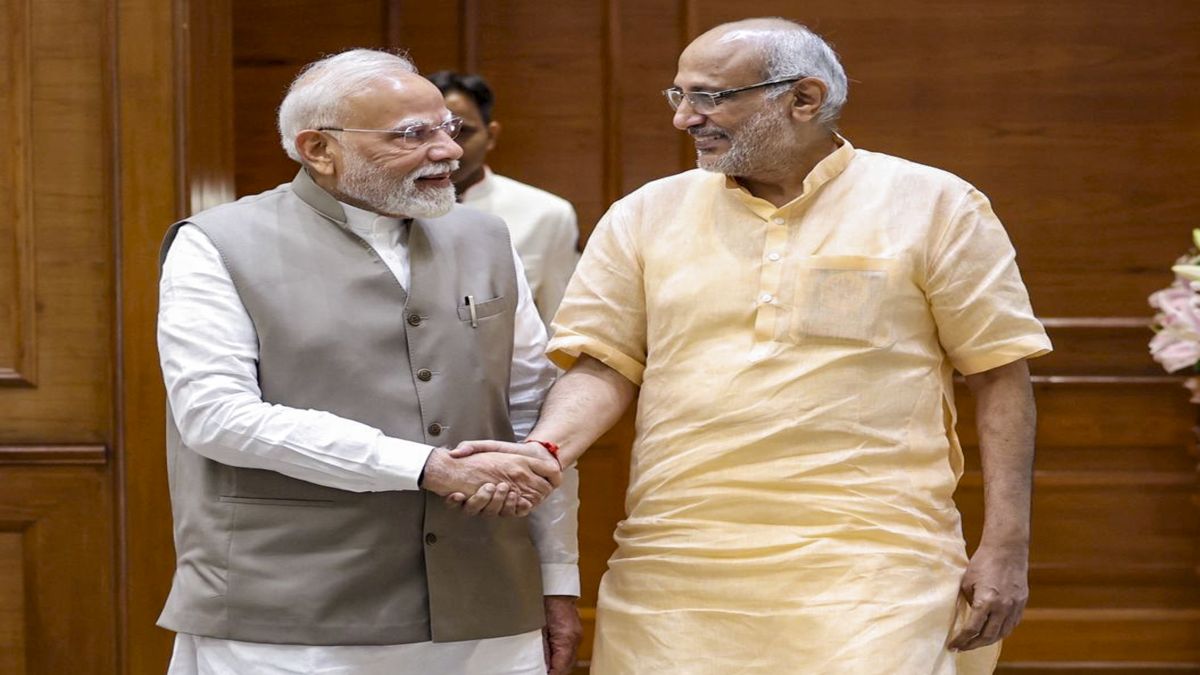 "Who is CP Radhakrishnan, India's next vice-president?")
 "Israel informed US ahead of strikes on Hamas leaders in Doha, says White House")



](https://images.firstpost.com/wp-content/uploads/2011/09/dragonlab_orbit380.jpg)