

 "Creative industries continue to fight file sharing, probably against their own interests")
The creative industries continue to bully internet service providers (ISPs) in their quest to crush file sharing sites, despite increasing evidence that so-called piracy is good for business. Last week, Reliance BIG Pictures got a broad “John Doe” court order from the Delhi High Court to force ISPs to block file sharing websites that were sharing the film Singham. The order requires ISPs to prevent users from accessing Singham, rather than to block specific sites, but the end effect is the same. Users of Airtel Broadband, Zylog and MTNL Triband found themselves unable to access file sharing sites such as MediaFire. Meanwhile in the UK, the High Court has ordered BT, the UK’s leading telecoms company and ISP, to block a single site, Newzbin 2 at the request of the Motion Picture Association (MPA). The MPA is the international counterpart of the Motion Picture Association of America (MPAA) and represents big Hollywood studios such as Warner, Disney and Fox. [caption id=“attachment_50844” align=“alignleft” width=“380” caption=“The constant battle waged by the creative industries and governments against file sharing sites is absurd. johntrainor/Flickr”]  [/caption] MPA Europe claims that “Newzbin is a notorious pirate website which makes hundreds of thousands of copyrighted products available without permission”. It has also said that it will now target other ISPs with court action. The constant battle waged by the creative industries and governments against file sharing sites is absurd, and not just because the Internet is a many-headed hydra that just sprouts 10 new file-sharing heads when one is cut off. Spending so much money on fighting copyright infringement makes no business sense (except for the lawyers, of course, who must be rubbing their hands with glee at the idea of more lawsuits). For a long time, there has been evidence that people who share the most music also buy the most music. As I wrote in 2004: “Despite the industry’s belief that file sharing is anathema to record sales, a recent study has shown that it may not be so clear cut. “Downloads have an effect on sales that is statistically indistinguishable from zero.” That study was the first empirical study on file sharing, carried out by Felix Oberholzer-Gee, Harvard Business School and Koleman Strumpf, University of North Carolina. It was roundly attacked by the music industry which was, and is, so wedded to their victim narrative that they can’t accept that they might be wrong. Seven years later and the evidence continues to undermine the idea that file sharing is bad for the creative industries. This week, TorrentFreak reported former Google CIO Douglas C Merrill saying that punishing file-sharers is a bad idea, because they have deep pockets when it comes to legitimate music purchase. During his stint at EMI, Merrill profiled the behavior of LimeWire users and discovered something rather interesting. Those same file-sharing “thieves” were also iTunes’ biggest spenders. “That’s not theft, that’s try-before-you-buy marketing and we weren’t even paying for it…” And a new study from HADOPI, the French government agency tasked with the administration of France’s intellectual property law, shows similar results: Those who spend a lot of money on content… were much, much, much more likely to also get content through unauthorised means. So far, so predictable: People who love music download more and buy more. What has been slightly more of a surprise is the results of a study by Atanu Lahiri and Debabrata Day from the University of Washington. They found that piracy increased the quality of goods related to those being pirated: A case in point is the European unit of the cable TV channel HBO, which is fighting against unauthorised distribution of its content by illegal torrent websites by raising the quality of its offerings. The piracy rate faced by HBO is estimated to be between 30% to 50%. HBO has responded to this high piracy rate by churning out new high quality contents in different European languages (Briel 2010). New contents are available through both HBO’s cable TV channels as well as its new IPTV channels. HBO’s innovative offerings have reduced piracy and brought in new subscribers. The study also found that, for those companies affected by copyright infringement, R&D spend increased almost in line with piracy rates. This might seem counter-intuitive, but as Techdirt says:
Of course, when you think about much of this, it makes sense. We’ve argued from the beginning that there are tons of ways to “compete” with unauthorised access, and providing quality is definitely one such way.
So enthusiastic file-sharers spend more money and companies whose rights are infringed actually produce better products. Yet the creative industries continue to lobby government for ever more restrictive and punitive laws which, ultimately, hurt society as a whole, not just the file sharers and anyone wrongly accused of copyright infringement. They also continue to waste the time of the courts in forcing through injunctions that will, ultimately, make life harder for ISPs without materially changing the ease with which the determined user can locate and download illicit copies of movies and music. Albert Einstein once said defined insanity as “Doing the same thing over and over again and expecting different results.” One has to wonder how many of the creative industries’ policy makers are playing with a full deck.


 "Israel targets top Hamas leaders in Doha; Qatar, Iran condemn strike as violation of sovereignty")
 "Nepal: Oli to continue until new PM is sworn in, nation on edge as all branches of govt torched")
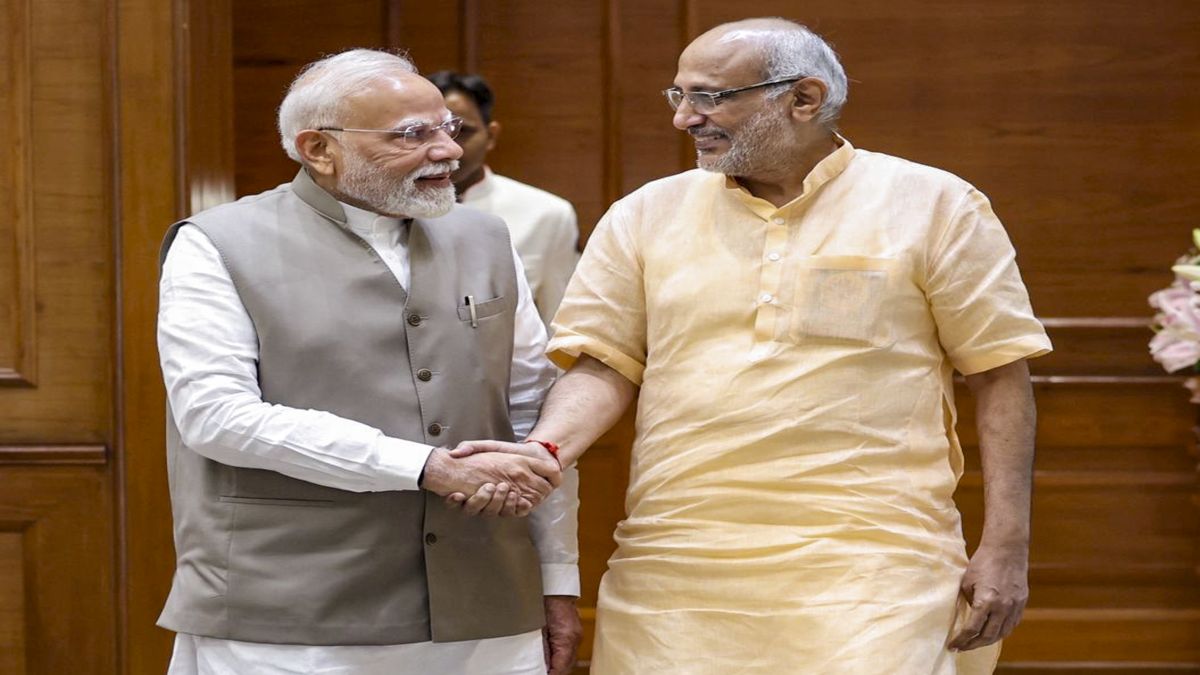 "Who is CP Radhakrishnan, India's next vice-president?")
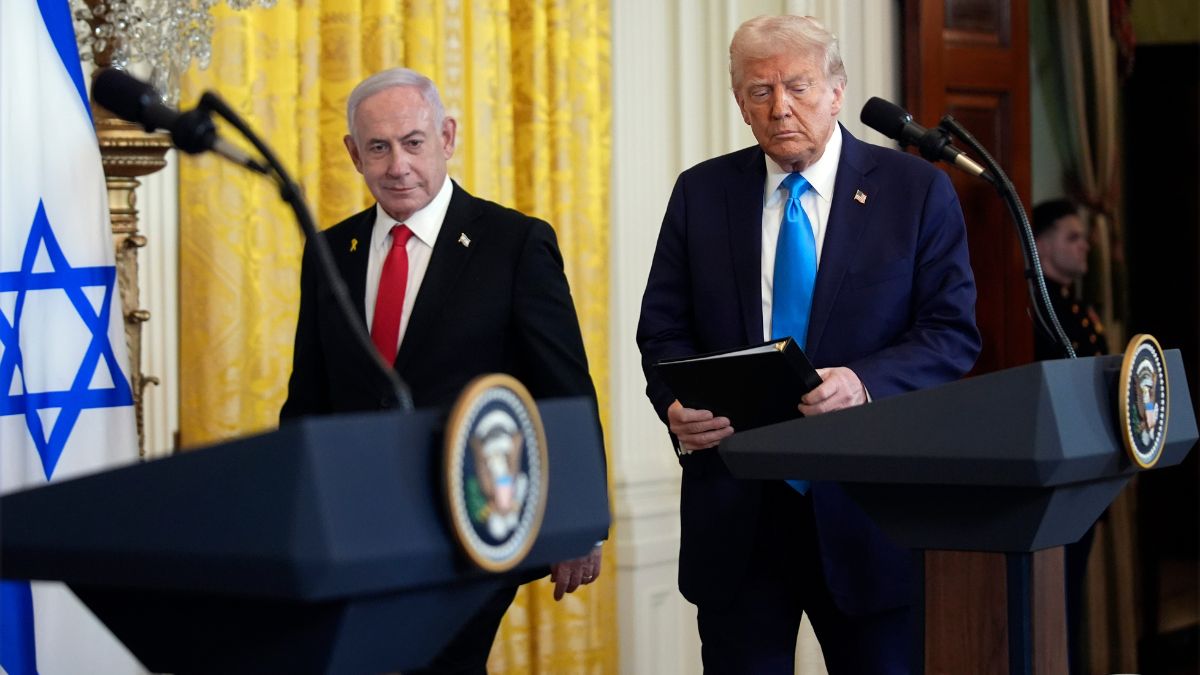 "Israel informed US ahead of strikes on Hamas leaders in Doha, says White House")
 "Israel targets top Hamas leaders in Doha; Qatar, Iran condemn strike as violation of sovereignty")
 "Nepal: Oli to continue until new PM is sworn in, nation on edge as all branches of govt torched")
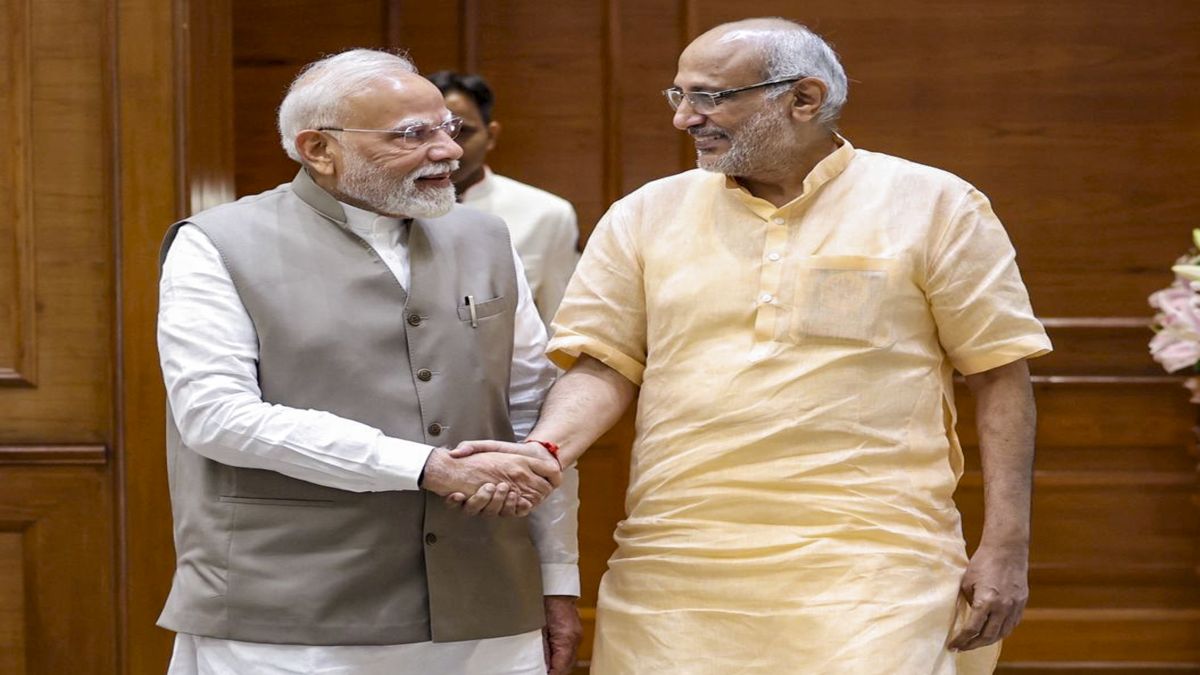 "Who is CP Radhakrishnan, India's next vice-president?")
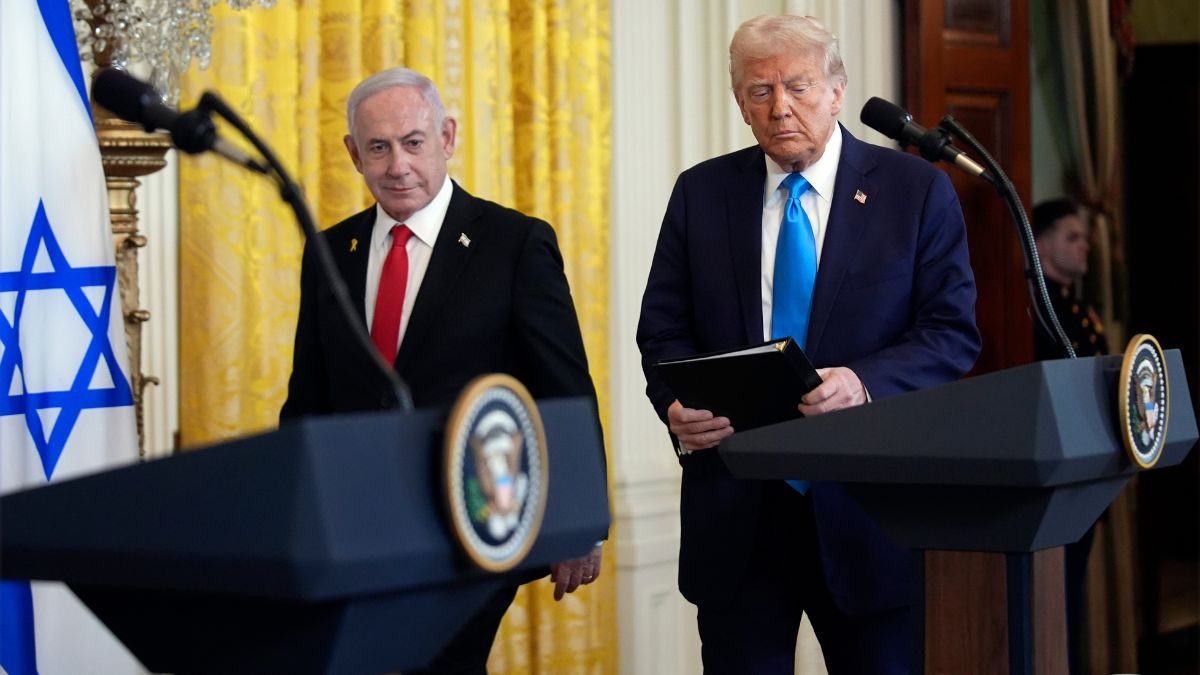 "Israel informed US ahead of strikes on Hamas leaders in Doha, says White House")



](https://images.firstpost.com/wp-content/uploads/2011/07/piracy.jpg)