

 "Australian Open 2017: At 35, Roger Federer lifts No 18 with his unlikeliest Grand Slam victory yet")
Our history is populated with stories of passion; passion that drove great minds to do great things, and some others to diabolic ends in search of their passion. On Sunday at Melbourne, we saw endless passion script another chapter in the rivalry of Rafael Nadal and Roger Federer. Over their 34 matches, beginning at Miami in 2004, they have shown tennis that has mesmerised us, inspired us, and made us fall in love with the sport in ways unknown before these two taught the world to waltz the court. [caption id=“attachment_3240068” align=“alignleft” width=“380”] 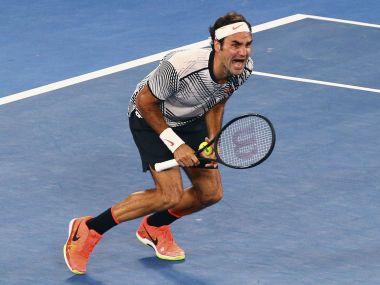 Roger Federer reacts after the Hawk-eye challenge gave him championship point. Reuters[/caption] There are no boundaries to the level of tennis you might witness when these two are on court. They play their own brand of tennis, born purely out of their love for the sport, which got them back in the game and the passion that took them through to the final. Between 2006 and 2011, there were barely any other takers at the Grand Slams – Nadal and Federer combined won 19 out of 24 titles (nine for Nadal, ten for Federer). The two clashed in eight finals at Grand Slams over that period, and the Spaniard emerged as the winner on six of those eight occasions. While the Swiss won his last Slam at Wimbledon in 2012, Nadal clinched his 14th at Roland Garros in 2014. The last time that Federer had defeated Nadal in a major final was way back in 2007, over five sets at Wimbledon. But the 2017 Australian Open final was the most improbable of them all – 35-year-old Federer, back after a six-month hiatus forced due to a knee injury, was playing 30-year-old Nadal, who was returning after ending his season in October due to his wrist injury. The final was a battle between the 17th seed Swiss and the ninth seeded Spaniard. A final that none could have predicted, but only hoped for in their wildest dreams. Federer started the match strong, and was the player to draw first blood, breaking in the seventh game to take the opening set 6-4. Nadal reacted instantly and with pummelling top-spin forehands, broke in the second game of the second set. He raced ahead 4-0 and despite Federer’s attempts to close the gap, the left-hander clinched it 6-3. The next two sets followed a similar pattern – the opening four games decided the winner of the set. Set 3 went Federer’s way 6-1 after a dominating display from the Swiss. He rediscovered his timing, his forehand did all the damage, and he closed it out with a gorgeous drop volley. Trailing by two sets to one, the man from Mallorca dug deep in the fourth set of the match, and as Federer’s level dropped, Nadal surged ahead 4-1. A sliced forehand winner from the Spanird dropped dead centre in the court and was so brilliantly struck that even Federer paused to applaud it. Nadal had swung the momentum his way and rode it to seal the set 6-3.
It all came down to the deciding final set. The match had ebbed and flowed to reach a tense and pulsating climax. The ninth seed struck first, breaking in the opening game of the fifth set, and a sense of doom hovered over his Swiss opponent.
However, the 35-year-old was far from done. “You play the ball, you don’t play the opponent. Be free in your head, be free in your shots, go for it. The brave will be rewarded here,” he told himself. And play free he did. Federer stayed strong on his backhand – a weakness that Nadal has always found a way to exploit in the past. Federer unflinchingly came into the net, and used his powerful forehand to outpace the Spaniard. [caption id=“attachment_3240078” align=“alignleft” width=“380”] 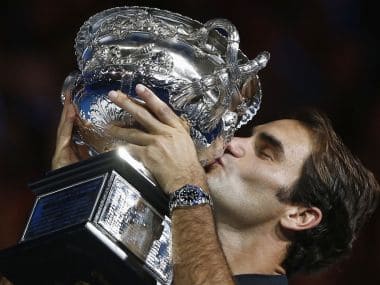 Roger Federer kisses the trophy after winning the Australian Open. Reuters[/caption] At 3-2, Federer’s constant pressure broke through Nadal’s dam of reserves and he evened the decider at 3-all. He quickly followed it with a love-hold and put the left-hander under the gun again to lead 0-40 on Nadal’s serve. Nadal erased the break points to make it deuce, but Federer produced some of the most scintillating tennis of the match to win a 26-shot rally and bring up yet another break point. Nadal would once again save it, only to be broken two points later. Serving for the match at 5-3, Federer did not have it any easier. Nadal pushed deep for one last time in the match, to create two break point opportunities. Federer’s superlative service rescued the Swiss and helped bring up a match point. Three hours and 37 minutes into the match, Federer won the final in the unlikeliest fashion – off a Hawk-eye challenge. Nadal called for a review on the match point and the replay showed that Federer’s forehand was bang on line. The Swiss had reeled off four games in a row and completed a 6-4, 3-6, 6-1, 3-6, 6-3 win over his nemesis Nadal. The match statistics showed that Federer hit 28 forehand winners and 14 backhand winners, but most importantly, eight of his backhand winners came in the final set. Federer also won 29 of his 40 points at the net while Nadal only ventured forward 12 times over the five sets. Federer, at the age of 35, returned to competitive tennis after six months, defeated four top-10 players involving three five-setters, to lift Grand Slam number 18. Just repeat that in your head and see how ridiculous it sounds. He defeated his toughest rival in the final, a rival that he had only beaten 11 times before but lost to 23 times. Federer wrote the most improbable script to win his most cherished title. However, at the end of tennis that bordered on incredible, it’s the words and respect that these two players share that steals your heart. Nadal would not have lost this final to anyone else and Federer would have shared it with Nadal if he could.

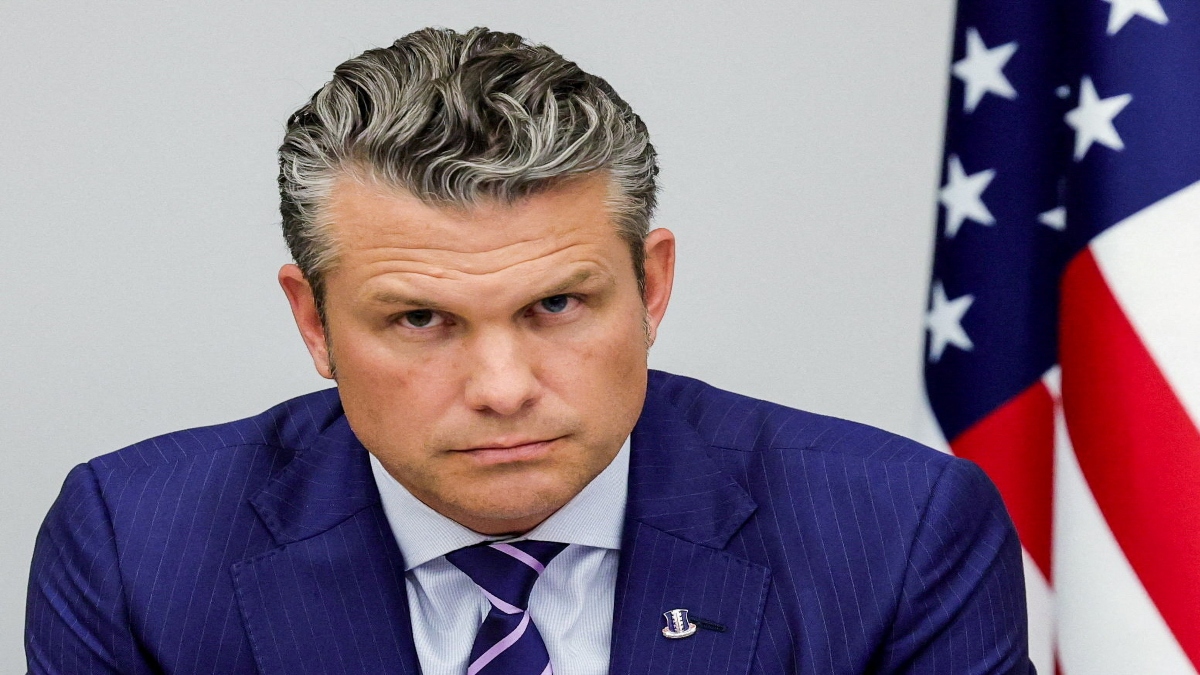 "US ready to ‘impose costs’ on Russia if war in Ukraine drags on, says Hegseth")
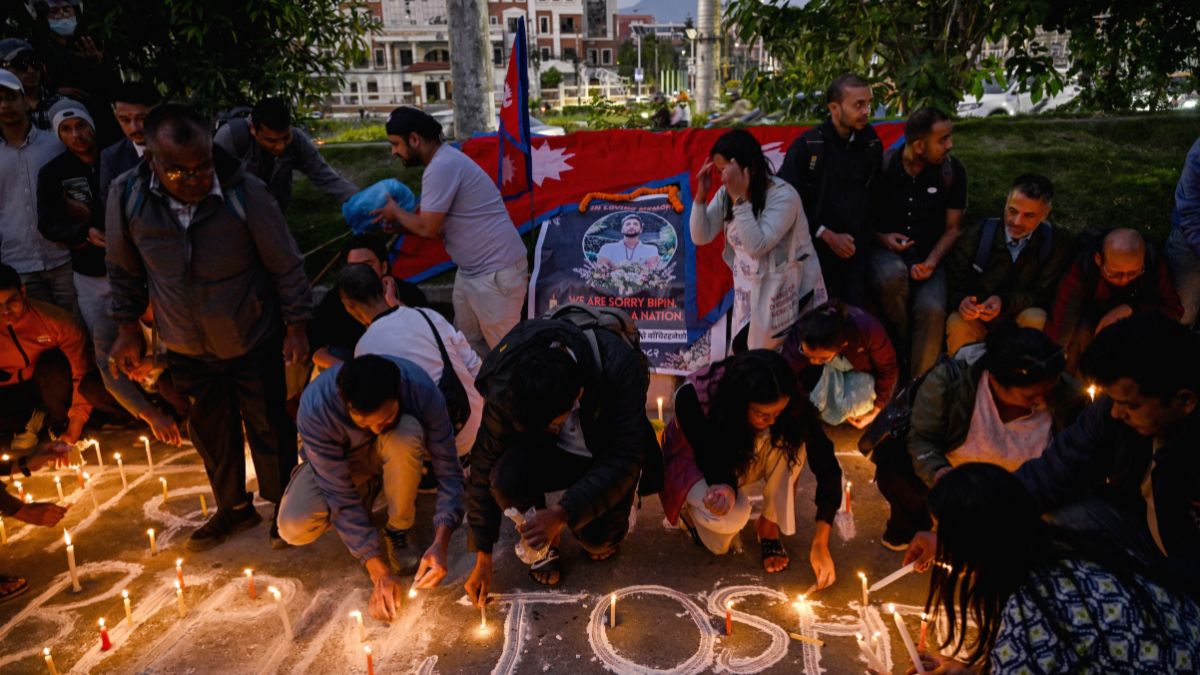 "US tells Hamas to stop violence against Gaza civilians and disarm 'without delay'")
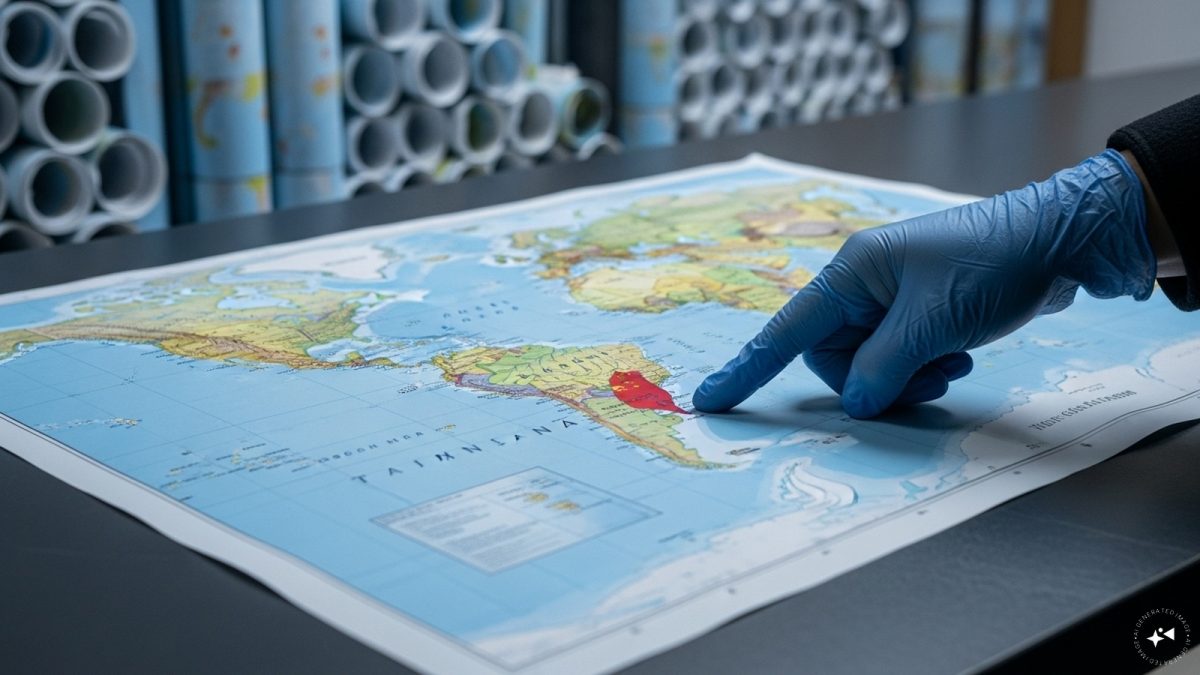 "China seizes 60,000 maps mislabelling Taiwan, omitting South China Sea islands")
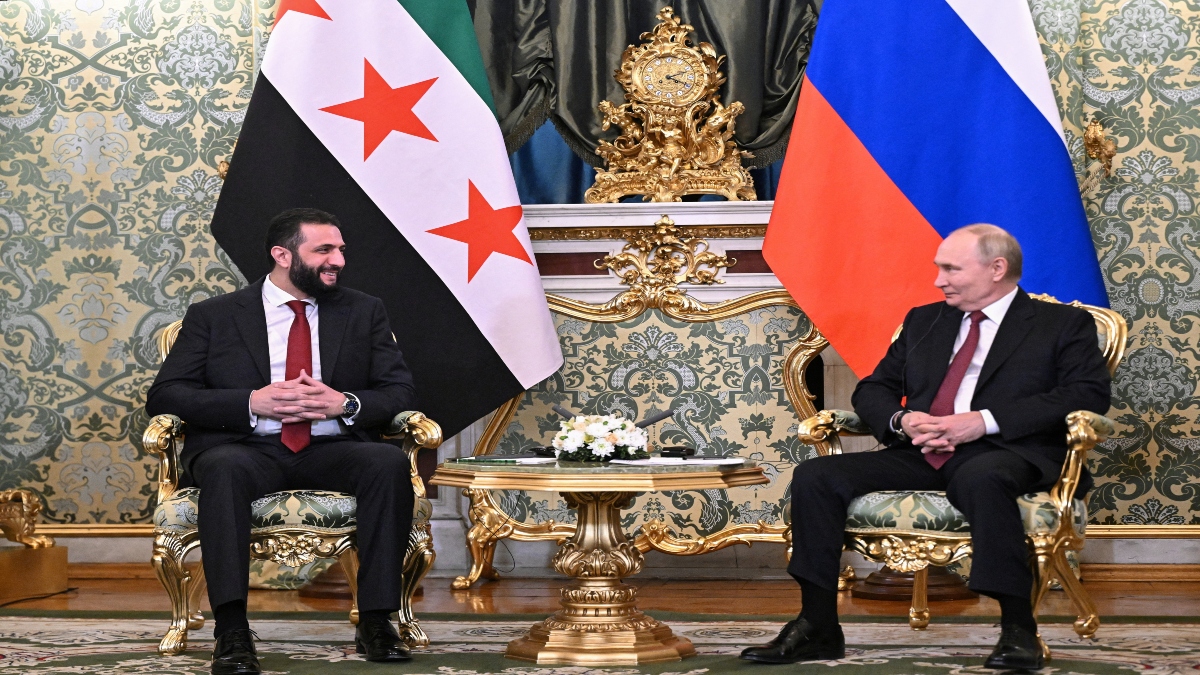 "Syria’s Sharaa pledges to honor Russia ties, seeks economic and military support in Kremlin visit")
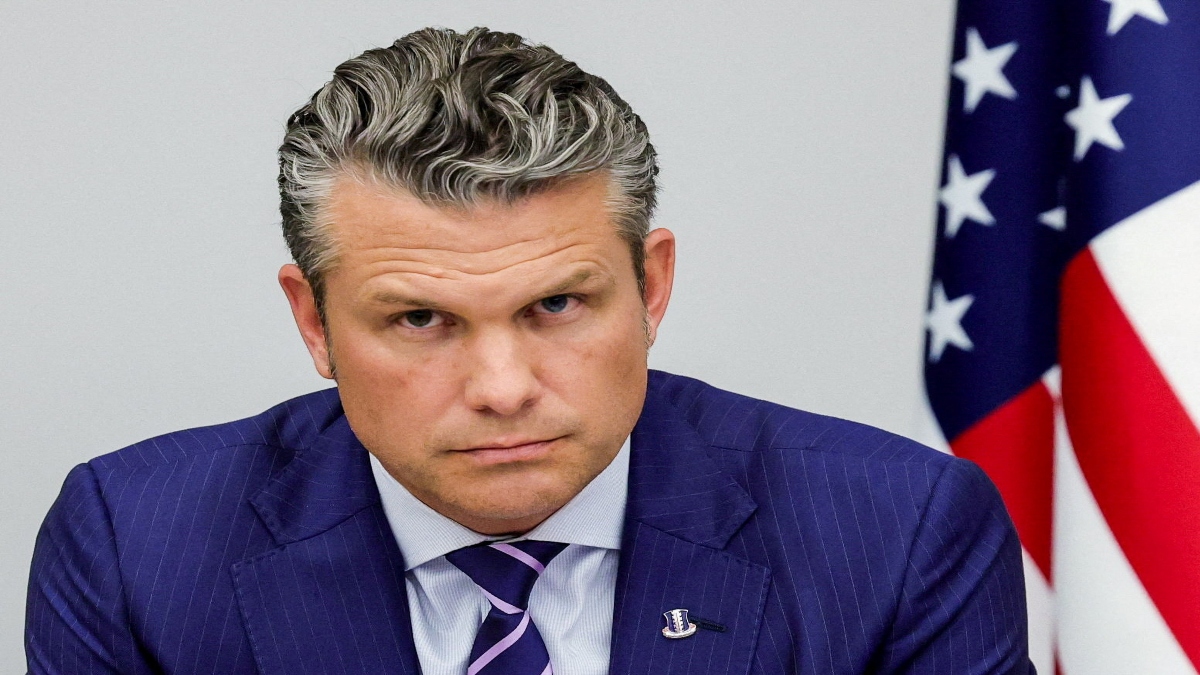 "US ready to ‘impose costs’ on Russia if war in Ukraine drags on, says Hegseth")
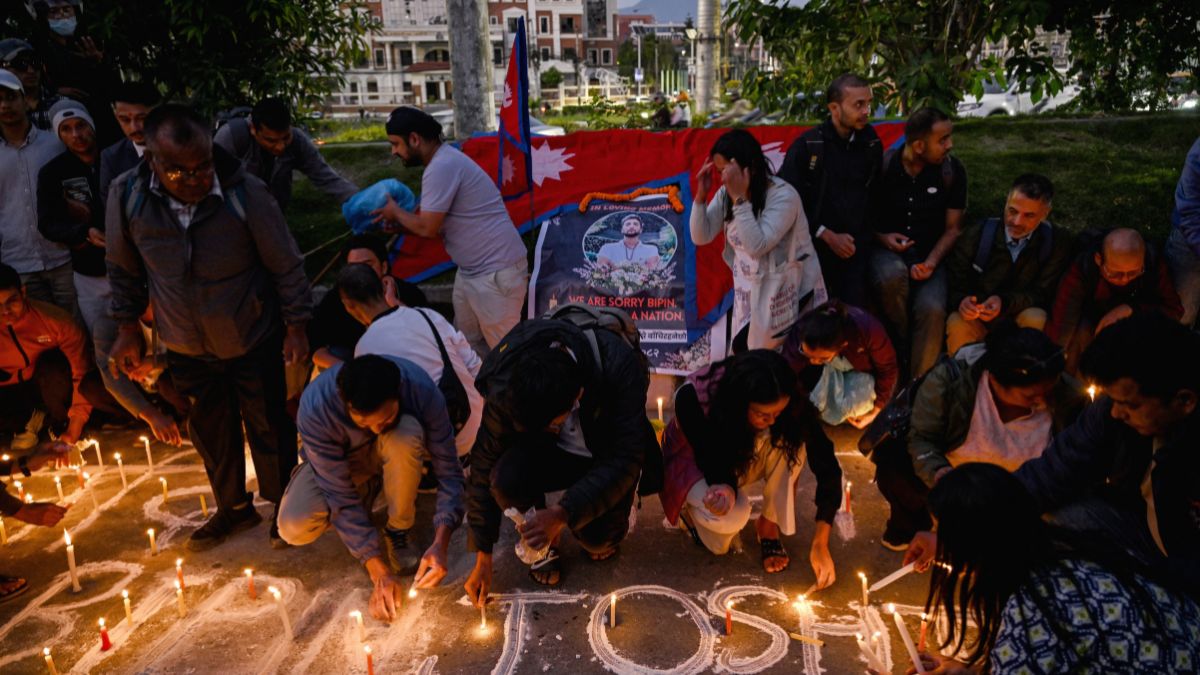 "US tells Hamas to stop violence against Gaza civilians and disarm 'without delay'")
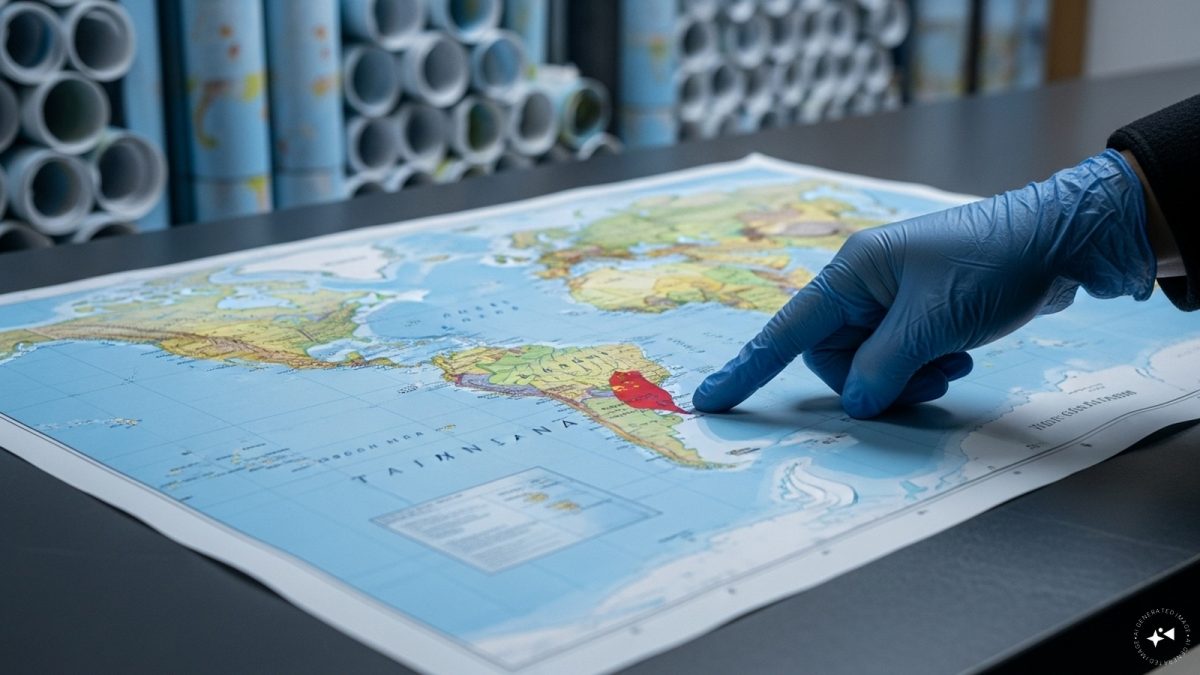 "China seizes 60,000 maps mislabelling Taiwan, omitting South China Sea islands")
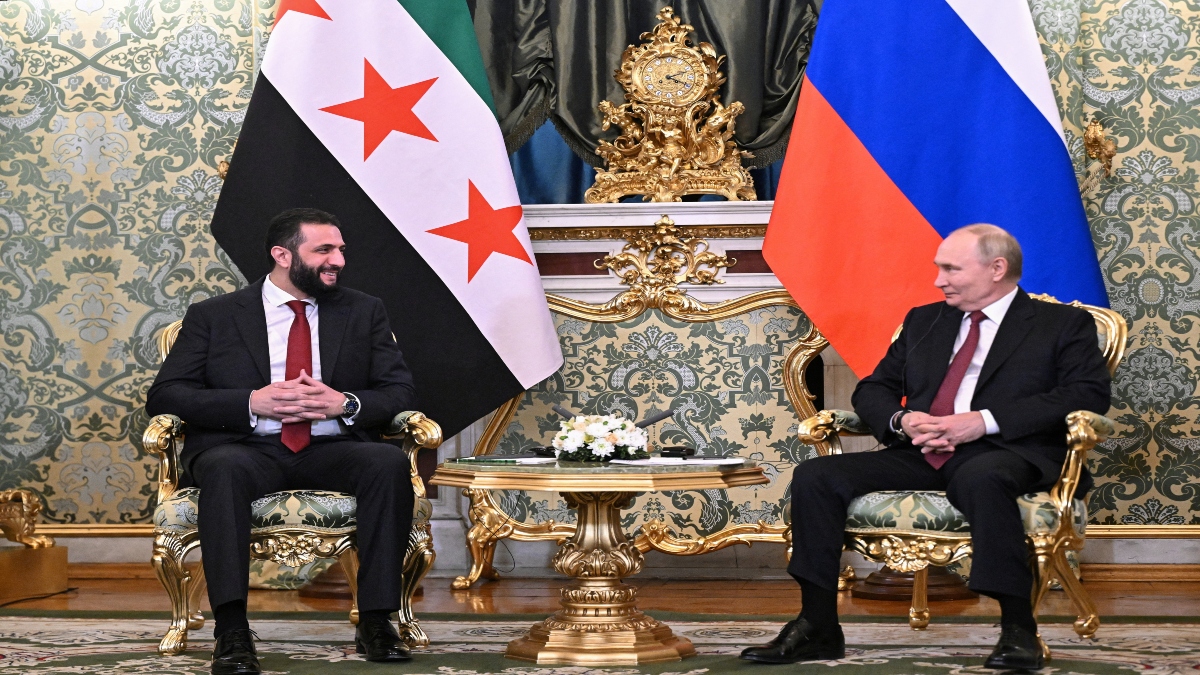 "Syria’s Sharaa pledges to honor Russia ties, seeks economic and military support in Kremlin visit")



](https://images.firstpost.com/wp-content/uploads/2017/01/Roger-Federer-Aus-Open-final-Reuters.jpg)
](https://images.firstpost.com/wp-content/uploads/2017/01/Roger-Federer-Aus-Open-trophy-Reuters.jpg)