

 "The Modi media playbook: 4 classic interview techniques")
[caption id=“attachment_1506727” align=“alignleft” width=“380”] 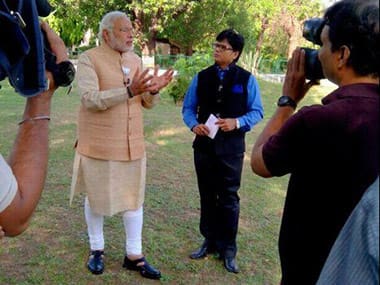 Modi during an earlier interview. Twitter/@ashokshrivasta6[/caption] At least he agreed to be interviewed, was the refrain when Congress vice-president Rahul Gandhi subjected himself to an inquest of sorts on television. He didn’t do a second appearance and, in the very last leg of Elections 2014, Narendra Modi has given so many ’exclusive’ television and print appearances that it would be a surprise if he still had something new to say, after nearly over 200 rallies and almost as many interviews. So it’s natural that a two-page spread in The Times of India appears a tedious read, with Modi repeating himself on a sub-100 tally for the Congress, a Congress-mukt India, the eroding of public institutions and the apparent historical groundswell of support for him. But a closer look also reveals some of the BJP’s prime ministerial nominee’s masterful and now signature interview techniques. One, take invective and turn it into a badge of honour. When asked why Muslims will not vote for a Modi government, he ripostes, “It is anachronistic to think that a community will not be interested in development.” The Congress party’s attempt to underline Muslim fears about Modi is turned into a insult to the voter’s intellect who, Modi says, cares more about “real issues of poverty and development.” The snooty Delhi club can also call him an outsider, but Modi can turn that into an ace too. Sample this: “I would not contest that description and analysis. I actually consider myself as an outsider not only to Delhi politics but to politics per se… " How so? He has been travelling across India “to understand the problems” of people, having overnight stays in 400 districts to witness people’s hopes and expectations. “To that extent, I am always one among the people.” In a single, short sentence, Modi outplayed the mingling-with-common folk outings by Rahul Gandhi and others. Two, the best offence is to just ignore. From Mamata to Mulayam, having railed against regional party after potential ally, he played cool when asked if the NDA’s victory would have been a foregone conclusion had it not been for AAP robbing the BJP of a certain victory in the Delhi Assembly elections. Asked pointedly about the future of AAP, he chose to instead talk about the groundswell of support the BJP is enjoying this election, support that is “too huge to be impacted by the advent of any new party”. Asked further if AAP could replace the Congress in the future, he said there would be little left of the Congress after this election to replace. Three, change, adapt, fix. Putting aside his more abrasive campaign persona, Modi is a diplomat, an economist and statesman in this interview. Foreign policy cannot be confrontational, he says, a long, long way from the rabble rousing speeches in which he has made repeated references to Pakistan’s incursions along the LoC and the decapitation of Indian soldiers along the disputed border. “Relations cannot be improved as long as there is a trust deficit,” he says. Needled further about cross-border terrorism and the multiple power centres rendering Pakistan an unstable neighbour, Modi reiterates that meaningful relations with Pakistan will follow as soon as the country takes “demonstrable action” against terror networks operating from there, before going on to talk about a shared history and culture. On China too, he says it is possible to put aside differences and resolve all issues to work together, while on the US he says his visa saga will “not even remotely” influence policy and partnership. Similarly, on the economy, Modi made some nuanced points on focussing on manufacturing and infrastructure, creating an enabling environment for investment, making the economy his number one agenda as prime minister and also simultaneously controlling inflation by “addressing supply side concerns” by making agriculture remunerative once again. He said, “The farming sector has to be revived and we must try to usher in a second green revolution. This can be done only by investing heavily on irrigation facilities and beginning work in right earnest on the river linking project. On the issue of FDI in retail our position has been made clear in our party manifesto.” The issue of land for industry and the environment vs. development debate is ensconced in a problem of using the environment clearance procedure for “rent-seeking” and subsequent project delays, he said. Even on NREGA, Modi has said he believes the project must be implemented properly, but following an independent cost-benefit analysis. Four, sideline, don’t confront the fringe Asked if a Modi sarkar is a euphemism for an RSS government, he says, “The only book of the government is the Indian Constitution. I am very clear that the government is run as per the Constitutional provisions.” Another example: Asked if he will return to Hindutva issues upon assuming office, he says, “I think a neutral analysis by any journalist will tell us that the BJP campaign this time has been focused totally on the issues of development and good governance. Many political pundits told us that elections in India cannot be won only on the issues of development and good governance. We decided to prove them wrong.”
Decoding the messages from Modi’s latest interview.
Advertisement
End of Article

 "Russian drones over Poland: Trump’s tepid reaction a wake-up call for Nato?")
 "As Russia pushes east, Ukraine faces mounting pressure to defend its heartland")
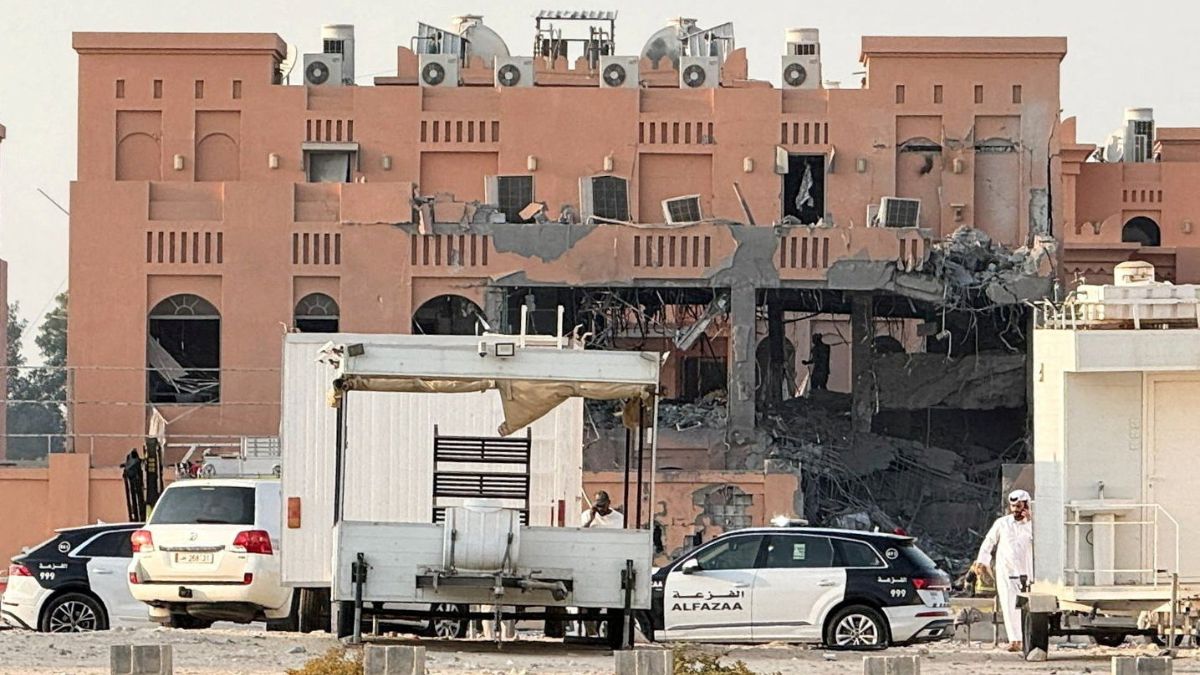 "Why Mossad was not on board with Israel’s strike on Hamas in Qatar")
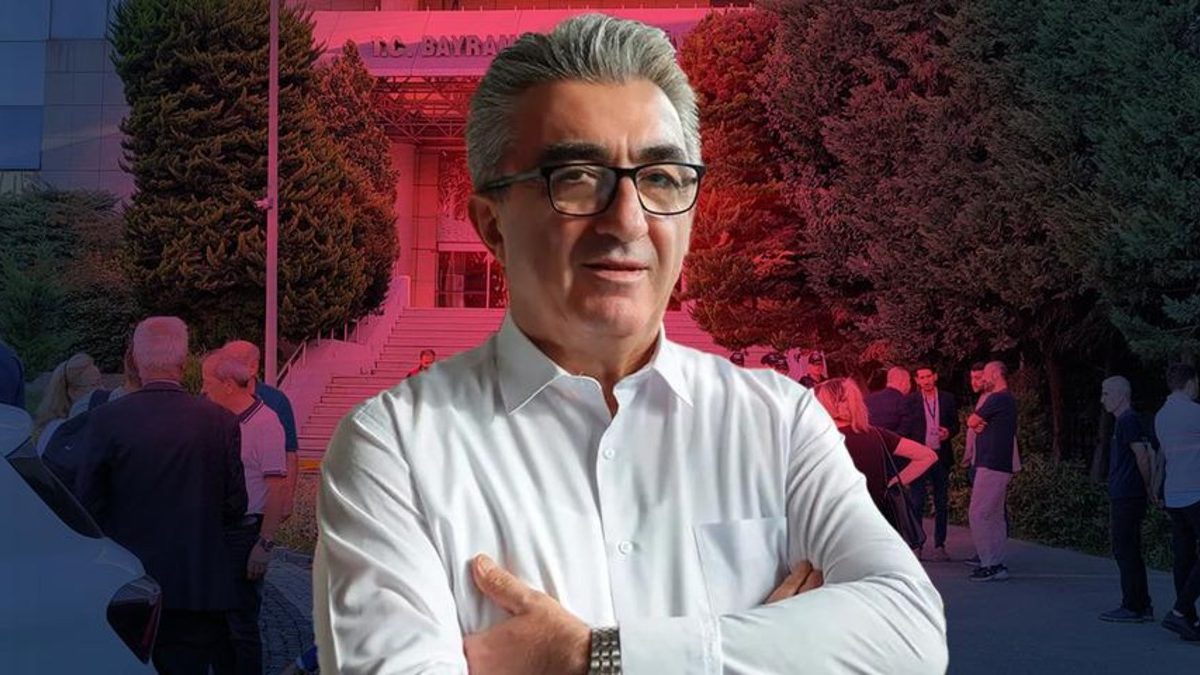 "Turkey: Erdogan's police arrest opposition mayor Hasan Mutlu, dozens officials in corruption probe")
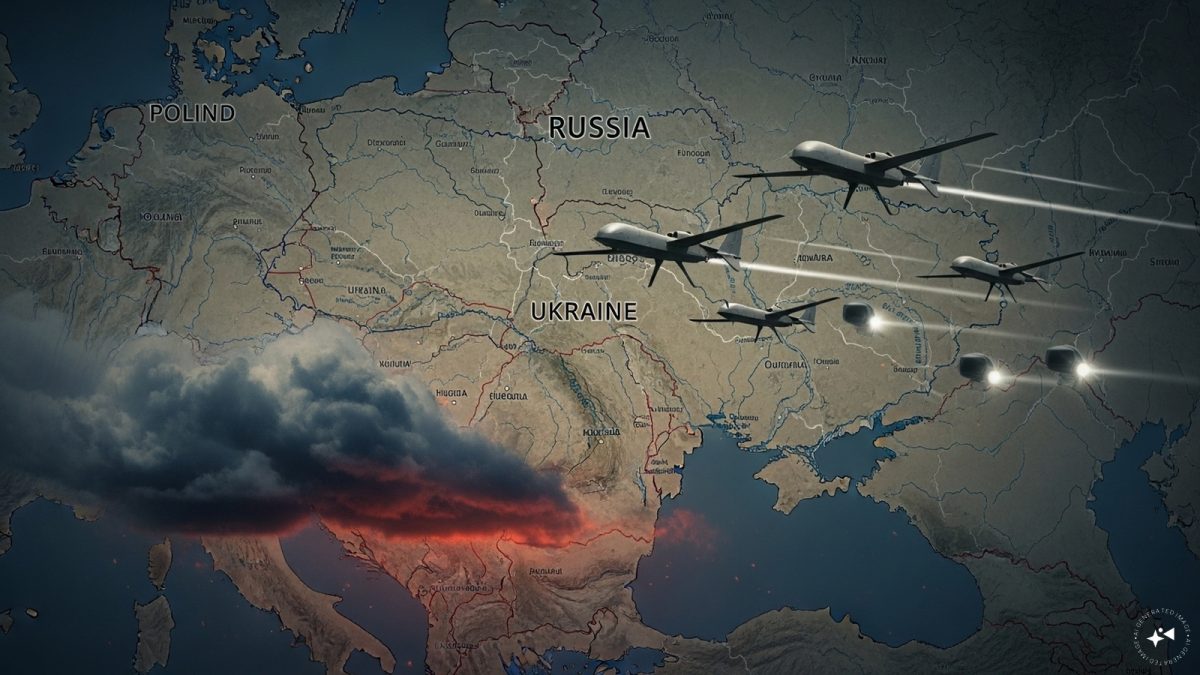 "Russian drones over Poland: Trump’s tepid reaction a wake-up call for Nato?")
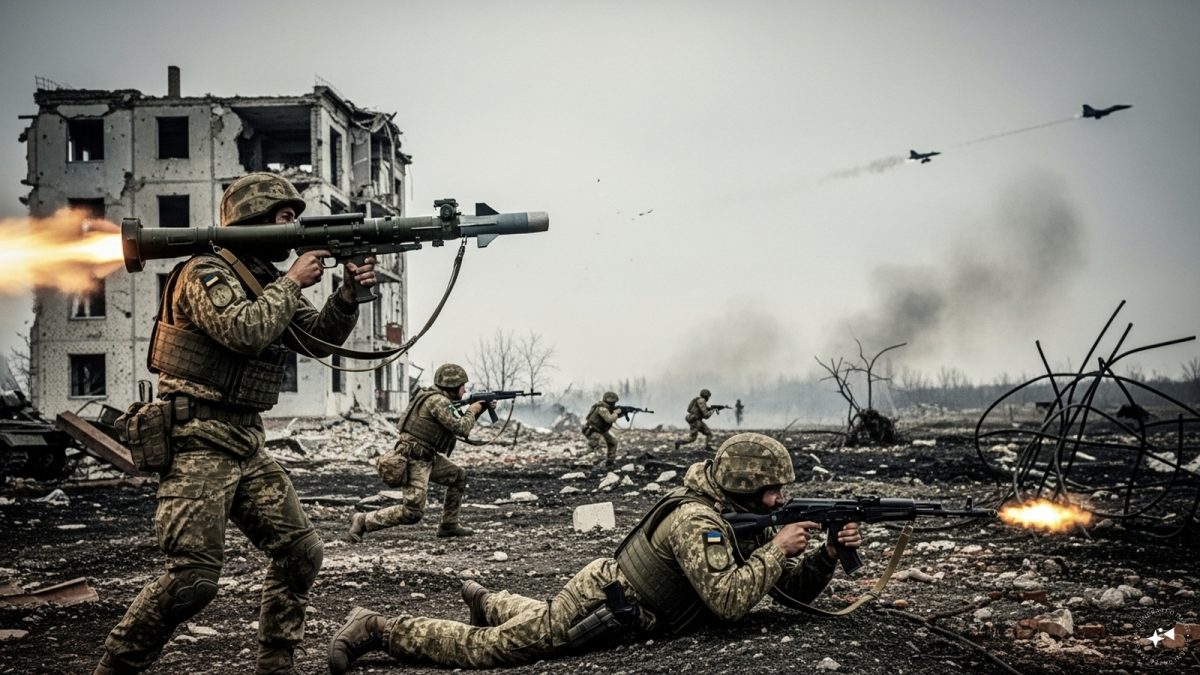 "As Russia pushes east, Ukraine faces mounting pressure to defend its heartland")
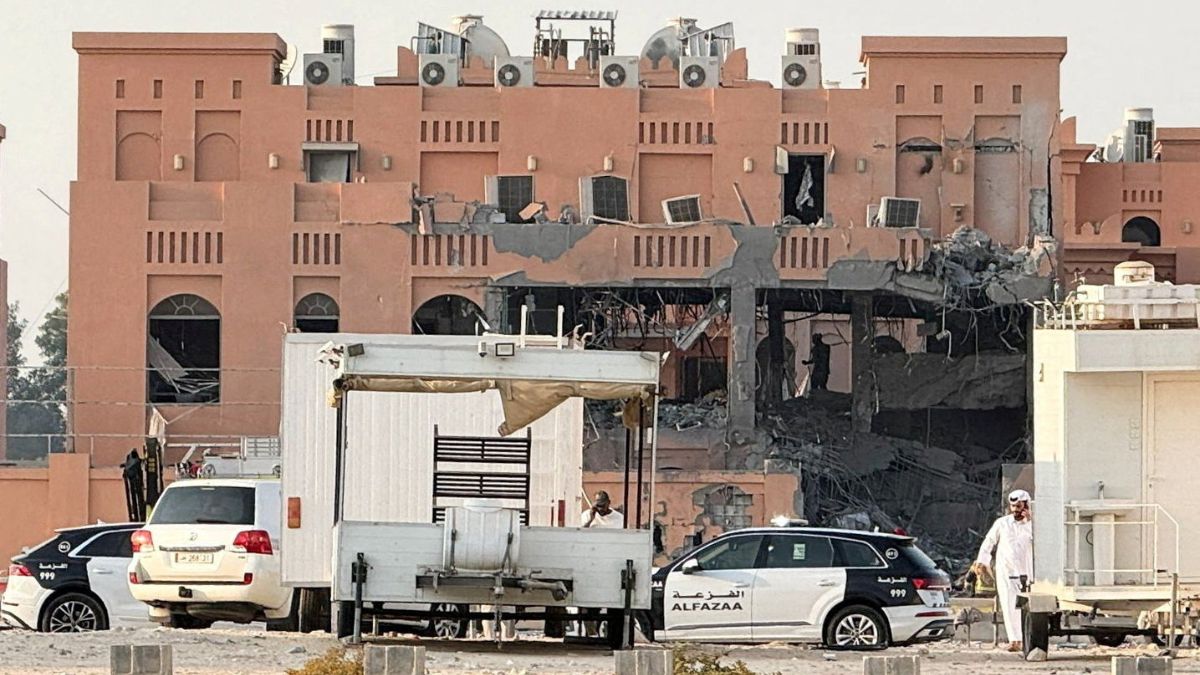 "Why Mossad was not on board with Israel’s strike on Hamas in Qatar")
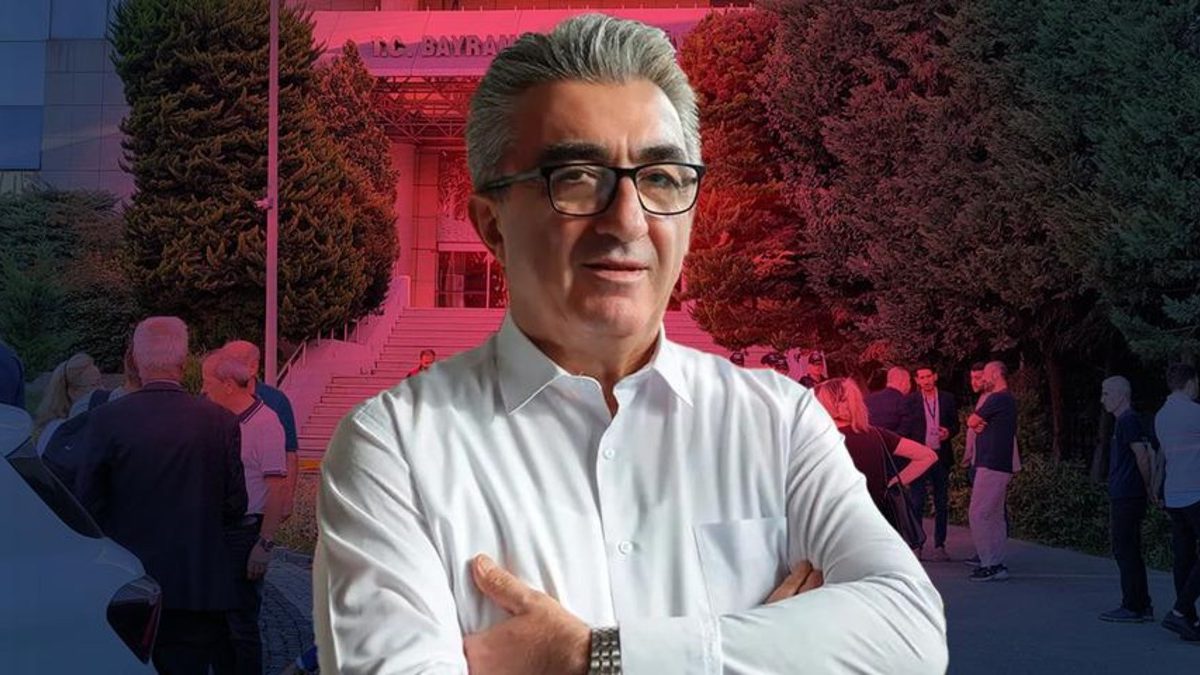 "Turkey: Erdogan's police arrest opposition mayor Hasan Mutlu, dozens officials in corruption probe")



](https://images.firstpost.com/wp-content/uploads/2014/05/Modi-doordarshan-twitter.jpg)