

 "Rahul for PM? Seven reasons why he is unfit to lead")
So, Dijvijaya Singh thinks it is time for Rahul Gandhi to take over as Prime Minister. Well, he would, wouldn’t he? The statement about the time being ripe for Rahul says more about Diggi Raja than the Gandhi scion, given his perceived status of being political mentor to the dynasty. Singh is just getting his loyalties registered loud and clear just in case the clamour for Rahul becomes a cacophony in the run-up to the next elections. This way no one can say he became a loyalist late in the day. Even so, having brought the topic up, it is worth looking at the possibility that the people of India may still elect him MP and his mother and party will duly reverse that title to PM. The question though is not whether he will become PM – in this country even unelected political incompetents like Manmohan Singh can become PM – but whether he is fit to be one. What are the qualities India needs in a PM? Here is one list, and Rahul does not pass any test. First, is he responsible? Does he take ownership of anything beyond his claim to the big chair? A leader has to take responsibility for anything he does directly, and constructive blame for things that go wrong. Has Rahul shown any such inclination? In 2009, Manmohan Singh asked him to join the cabinet. Rahul evaded the responsibility. Singh’s government has done many things to help his politics, but Rahul and Sonia have been quick to claim credit only for the things that went right (NREGA, farm loan waivers, et al). But one result has been high inflation and huge budgetary deficits. There’s no Rahul articulating an economic vision on how to get resources to the poor without busting the budget. [caption id=“attachment_28062” align=“alignleft” width=“380” caption=“Rahul Gandhi is a leader only if you think leadership is about finding a popular cause and claiming it as your own. Krishna Murari Kishan/Reuters”]  [/caption] The PM has said that the Maoist threat is the biggest the country faces. But has Rahul had anything to say on it? He was quick to rush to Dadri Kond to claim credit for stopping a mining project, but does he take responsibility for the huge policy vacuum that has slowed down foreign and domestic investment? Not by a long chalk. His boot-lickers were quick to give him credit for the party’s excellent showing in Uttar Pradesh in 2009; but the blame for its defeat in Bihar and Gujarat went to someone else. Are leaders there only to take credit and let someone else take the blame? Rahul Gandhi is a leader only if you think leadership is about finding a popular cause and claiming it as your own. Second, a leader is always visible to his people. He is open to dialogue and learning. Has Rahul shown any such capability? When was the last time you saw Rahul Gandhi answering even questions at a press conference? What we have seen is him parachuting to trouble-spots when it suits him. He is invisible most of the time, and emerges only for photo-ops and statements that are motherhood ones which we cannot question. Has Rahul ever been interviewed by a Karan Thapar? Has he ever subjected himself to detailed scrutiny? Do we know whose company he keeps and which are his key personal relationships? Do we know what he thinks about anything beyond handing out largesse to the poor (which no one objects to anyway)? Has he had anything to say on any burning issue facing the country? On India and Pakistan? On crime? An invisible leader, who surfaces only when he chooses to, is not fit to be PM of this country. If he can shine only in controlled conditions, how can he rule this diverse country? Third, a leader must have some experience handling something. Nehru was in politics for years before he became PM. Indira Gandhi was a minister in Lal Bahadur Shastri’s cabinet before she became PM. Even Rajiv Gandhi, for all his political inexperience, was an Indian Airlines pilot before he inherited his mother’s job. But Rahul? Has he held any job in his life? Why did he decline Manmohan Singh’s offer of a ministerial berth when it was offered? Was it to evade responsibility? It is all right to hide behind the figleaf that he is working for the party, but could he not have held a real job as well? Why couldn’t he have worked for the party and government, as many ministers do? Most senior ministers do ministry work as well as handle party affairs in some states. So why not Rahul? Unfortunately, the evidence on record is that Rahul Gandhi does not take up real responsibility. Like Shiv Sena chief Bal Thackeray, he has discovered that the remote gives you more power without responsibility. This is what Rahul has settled for. Four, does he ever take hard decisions? Or even socially responsible ones? Why haven’t we heard Rahul Gandhi leading a campaign against female foeticide? Why haven’t we seen him take a stand against crime and corruption? Why haven’t we seen him say that we have to identify the real poor so that resources can be channelled to them rather than leaked to the non-poor and the corrupt? When his father had the courage to say that less than 10% of the resources meant for the poor get to them, why can’t Rahul say that he will do something about it? Quite clearly, he is incapable of fighting the vested interests. Five, does he ever listen to people who don’t agree with him? By living a cloistered life, Rahul is ensuring that he gets to listen only to time-servers and people with their own agendas. The most important quality in a leader is his ability to break out of his circle (prison) of close advisors and take in a diverse range of opinions. This was something Rajiv Gandhi was willing to do, before Bofors forced him to rely on party regulars, who sent him back into his shell. But Rajiv showed courage in trying to tackle the Punjab problem, the Sri Lankan Tamils issue, and many other things. Rahul has shown no such inclination. If he has any views, he has kept them to himself. Continue reading on next page Six, does he have the capacity for hard work? The evidence so far is far from convincing. Consider the number of times we have seen Rahul Gandhi on TV. It is only when he chooses to publicise something. Given his celebrity status, we would have seen him more on TV if he had shown the slightest inclination to do real work among the poor or in the service of any cause. But have we seen this? One gets the impression that Rahul Gandhi is a part-time politician, who will probably run the country from behind iron walls, emerging only when it suits him. Which young person would have headed out of the country for his 40th birthday last year when there was so much to do here? While one can respect a leader’s need for some privacy, Rahul seems to need too much of it. We don’t know who his friends are, who he listens to, what he wants to achieve, how he wants to rule. A private politician is a contradiction in terms. Seven, Rahul Gandhi does not even demonstrate the will to rule. From Motilal Nehru to Jawaharlal to Indira Gandhi, all of them demonstrated a firm resolve to lead this country by stamping their own views on it. Even Rajiv Gandhi, despite his distaste for politics, accepted reality when his mother was assassinated and decided to show the party who he was. He led from the front – at least for a while. Rahul Gandhi has shown no will to rule. If he is not keen on taking up the job, he has not said so. If he is keen, he has yet to show it by responsible action. From all accounts, Rahul Gandhi has not demonstrated any pluses – beyond being a member of the dynasty – to tell us that he is ready to lead this country. Last year, The Economist’s assessment was that the man was not man enough to own up to anything, leave alone lead the country. For the magazine’s withering assessment, these few paragraphs should do.
Blog Polls“…Rahul Gandhi, more than any of his 1.2 billion compatriots, is the embodiment of privilege…his family, like no other, has shaped the course of the republic. It believes in its due. Today Congress stands ready to do the family’s bidding, like a well-upholstered Ambassador car always at the front door. A second, even more impressive vehicle, known simply as India, boasts wheels of state, and its chauffeur is respectfully called “Prime Minister”. It offers an exhilarating if often erratic ride (it belches smoke and lurches in unexpected directions, when it is not stuck in traffic). It is currently on loan to a loyal and honest retainer, Manmohan Singh, no mean driver for a man of his years. But this car is Rahul’s heirloom. It is just a question of time before he asks for the keys back." “A second troubling point has to do with all the recent references to Rahul’s youthful age. Forty, after all, is not really that young. By then a man might be expected to have made his mark in the world, rather than be celebrating his coming-of-age. By the time they were Rahul’s age, Mozart and Alexander the Great had both been dead for several years… Consider, too, his own family. By Rahul’s age Nehru had already spent several years in British imperial jails; thanks to his enormous charm and political talents he had ascended to lead Congress by 34. By 40 Rajiv had been elected prime minister, admittedly as much thanks to a wave of sympathy after the assassination of his mother as on his own merits."

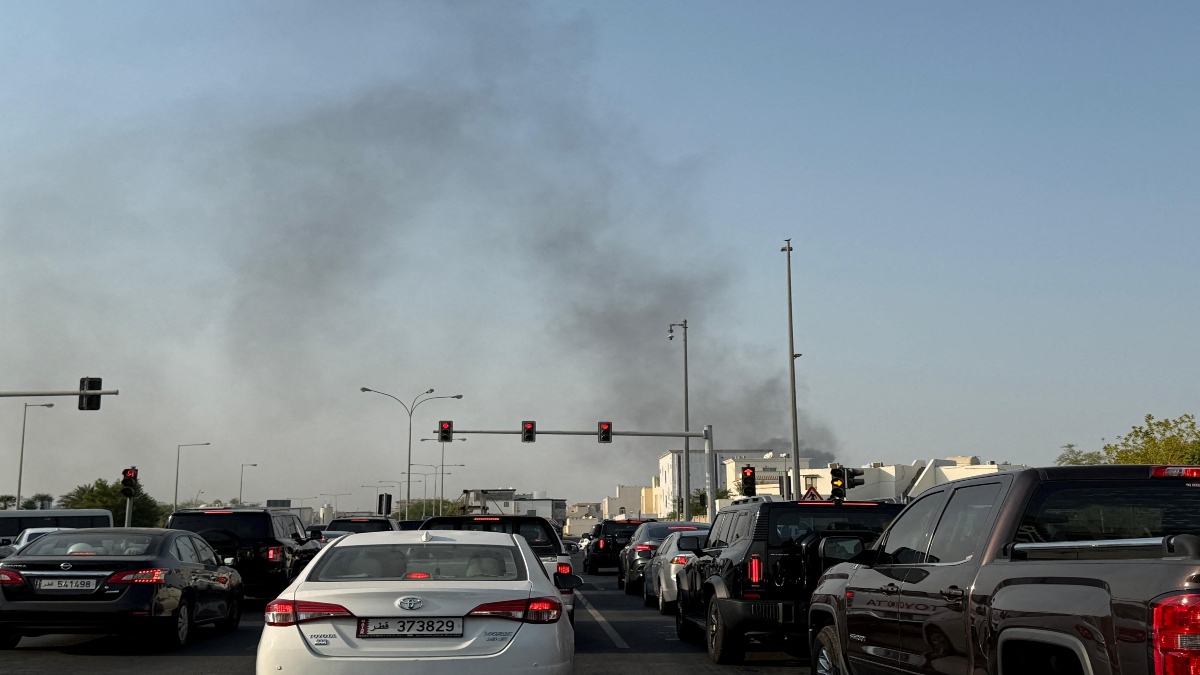 "Israel targets top Hamas leaders in Doha; Qatar, Iran condemn strike as violation of sovereignty")
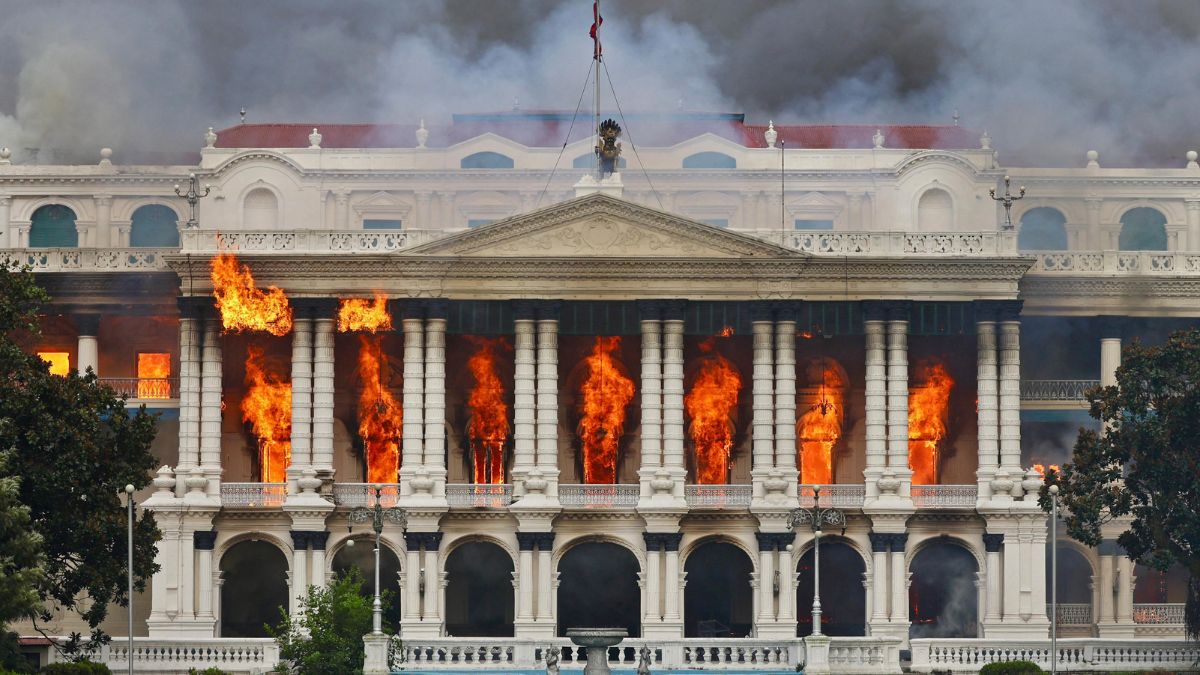 "Nepal: Oli to continue until new PM is sworn in, nation on edge as all branches of govt torched")
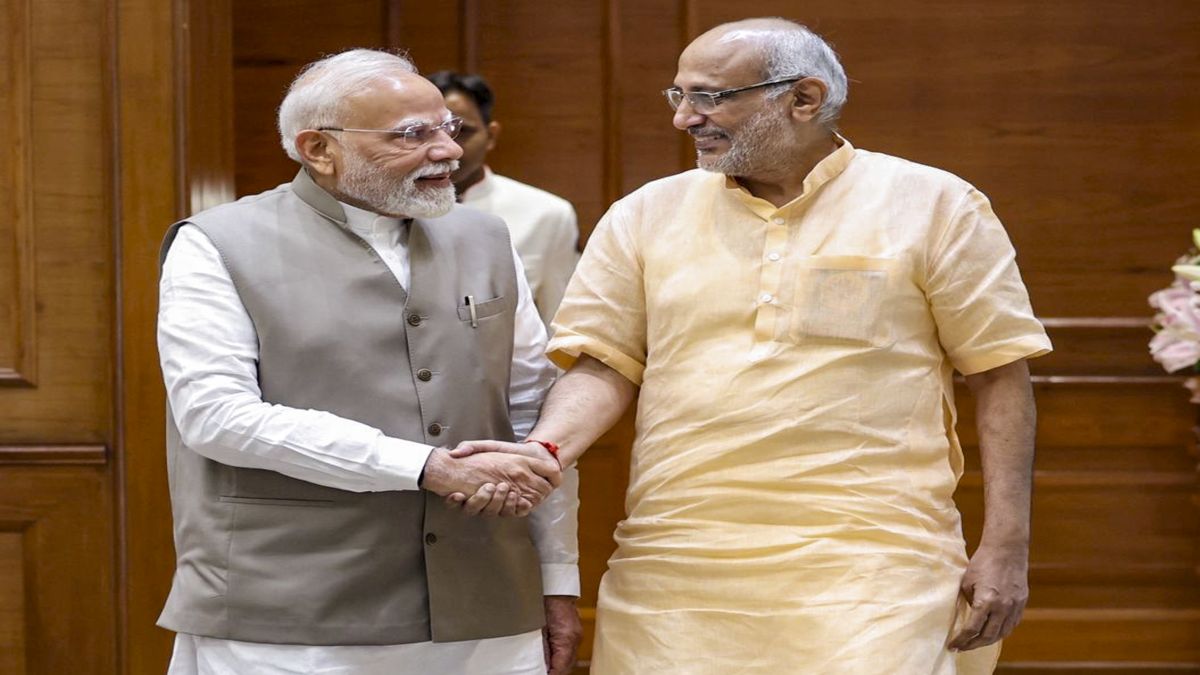 "Who is CP Radhakrishnan, India's next vice-president?")
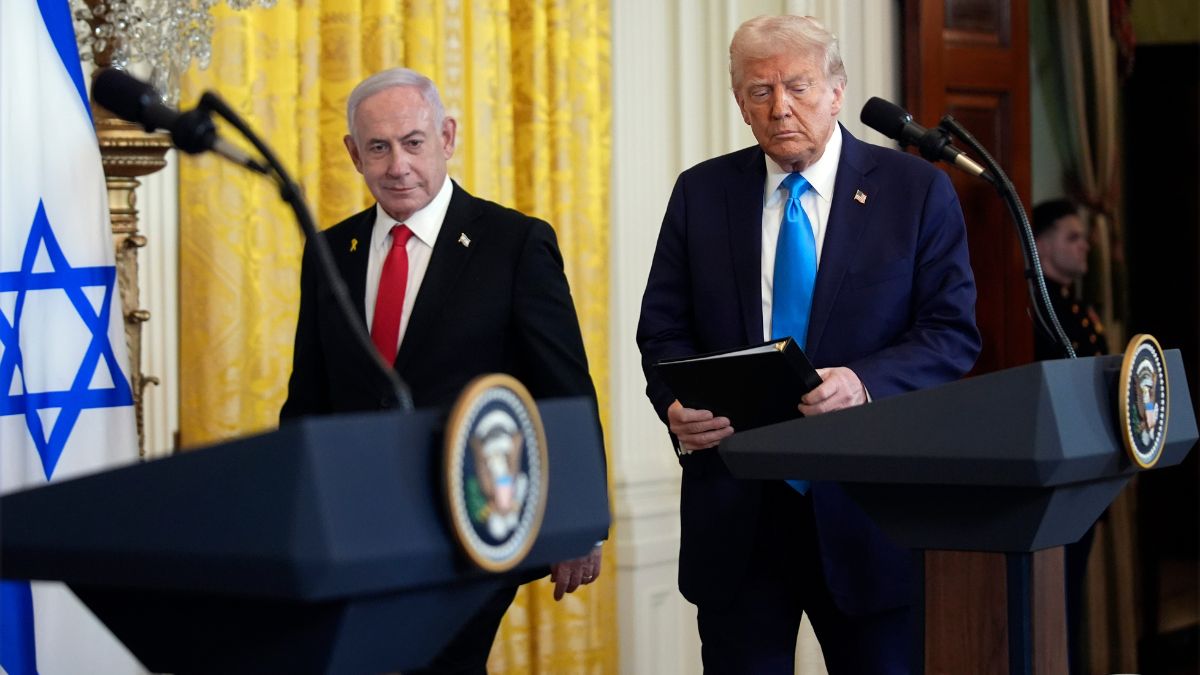 "Israel informed US ahead of strikes on Hamas leaders in Doha, says White House")
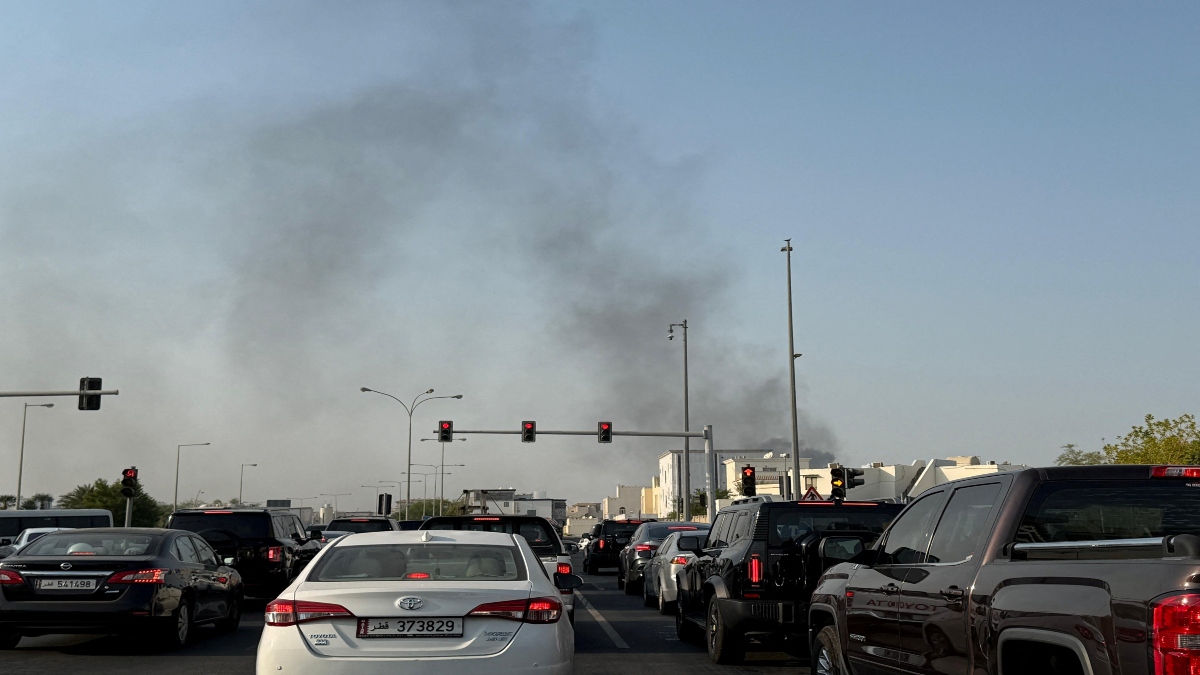 "Israel targets top Hamas leaders in Doha; Qatar, Iran condemn strike as violation of sovereignty")
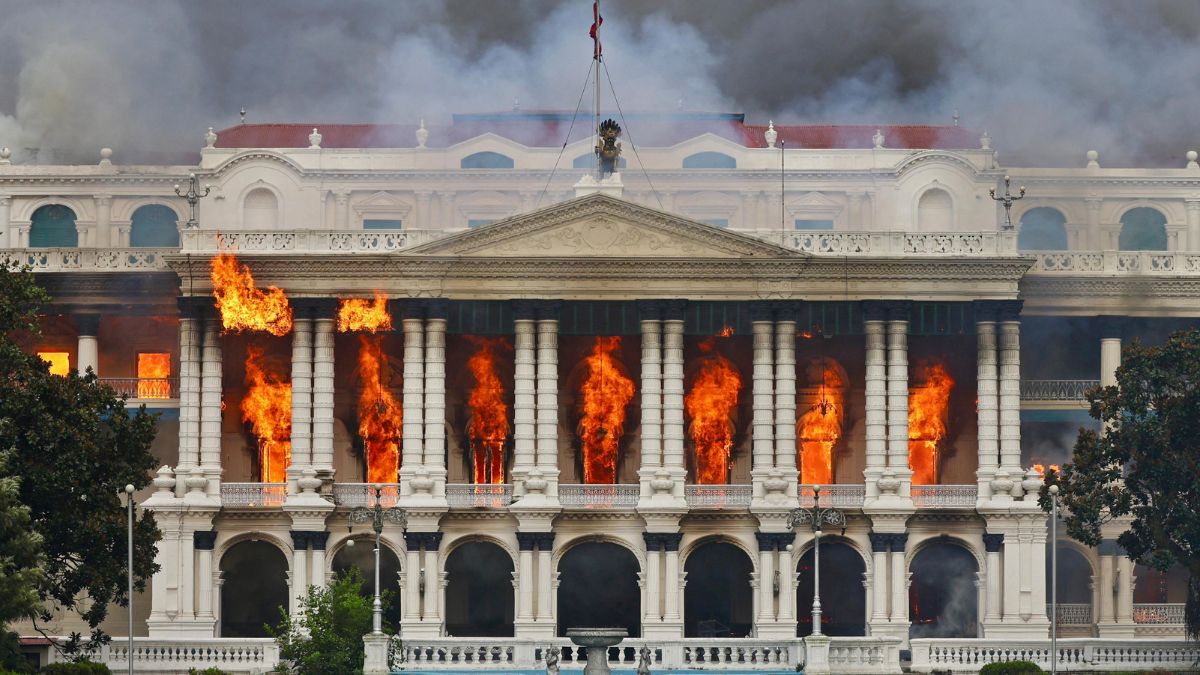 "Nepal: Oli to continue until new PM is sworn in, nation on edge as all branches of govt torched")
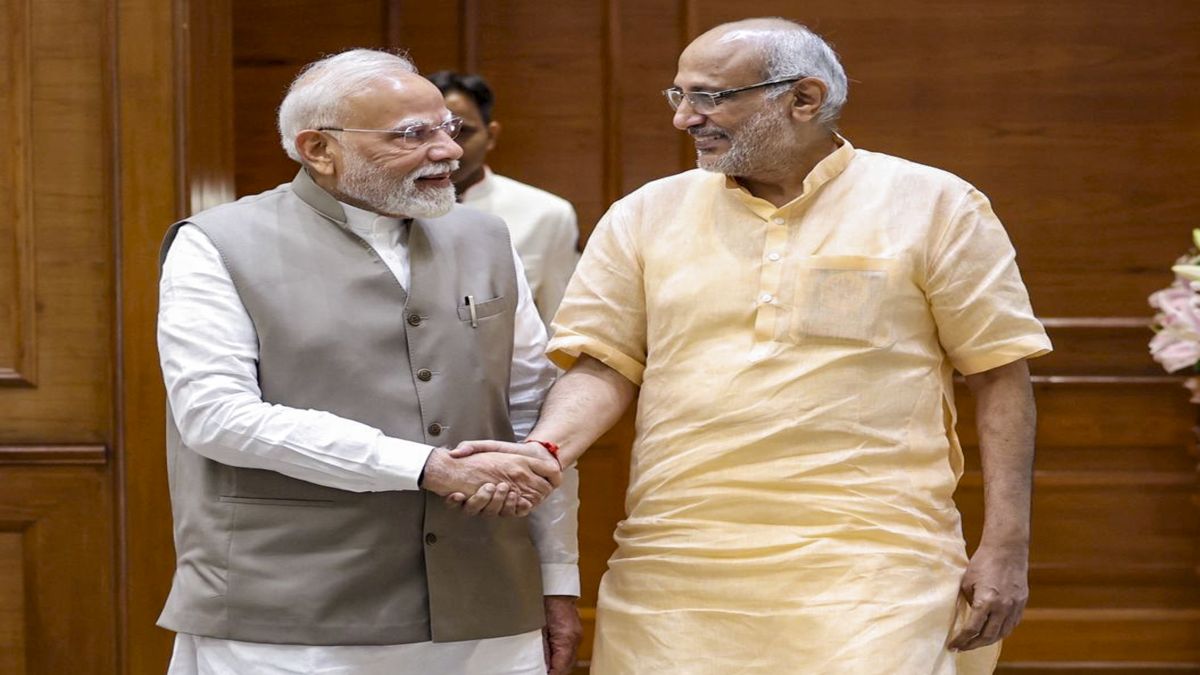 "Who is CP Radhakrishnan, India's next vice-president?")
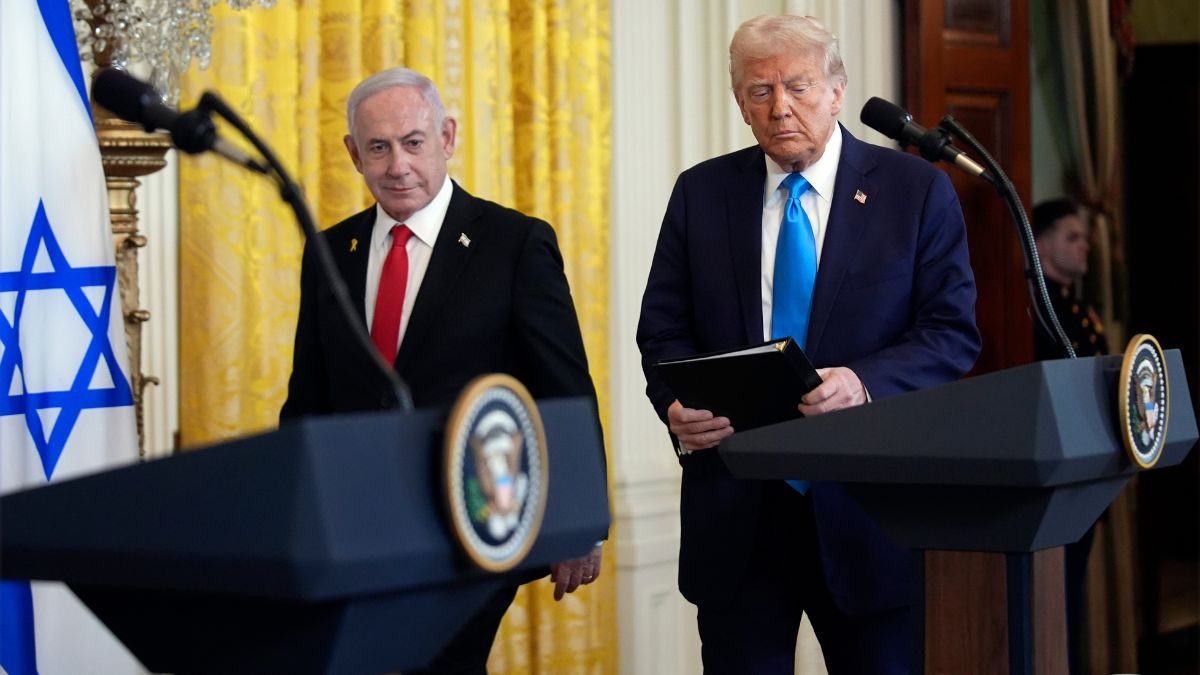 "Israel informed US ahead of strikes on Hamas leaders in Doha, says White House")



](https://images.firstpost.com/wp-content/uploads/2011/06/rahul.jpg)