

 "PM-Pranab-Sonia hiatus was key cause of policy paralysis")
The distance between North and South Block-which house the offices of the PM and the finance ministry and are at a walking distance from each other-was apparently unbridgeable during must most of UPA-1 and UPA-2.
This, rather than just the obduracy of the Left (during UPA-1) and Mamata Banerjee (during UPA-2), must squarely be blamed for the government’s policy paralysis.
When a PM who fancies himself as FM does not get a say in economic policy-making, it was like taking candy away from the kid.
According to reports now doing the rounds in the media, the PM never wanted P Chidambaram to be finance minister, and nor did he want Pranab when 26/11 gave Manmohan Singh a convenient excuse to give Chidambaram the heave-ho.
[caption id=“attachment_362719” align=“alignleft” width=“380” caption=“The triumvirate. Image courtesy PIB”] 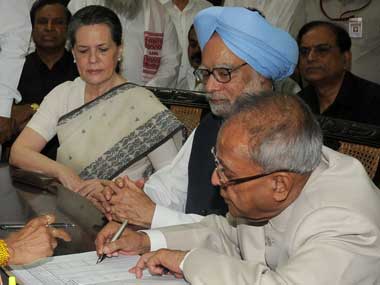 [/caption]
Friday’s clarification from the PM’s Office (PMO) on the draft changes proposed in the General Anti-Avoidance Rules (GAAR), which so enthused the markets, is further indication of the lingering distrust between North and South block.
The statements issued by the two certainly send the same message of a trust deficit. While the PMO’s statement emphatically said, “The draft GAAR guidelines have not been seen by the PM and will be finalised with his approval only after considering the feedback received.” Finance secretary RS Gujral, while agreeing with this clarification, added rather unnecessarily: “Don’t read too much into the release by the PMO” since “the PM has not applied his mind.” (Read here)
Why should a finance ministry official be downplaying a PMO release? And vice-versa?
Suspicions that the PMO does not trust the finance ministry too much were strengthened when it was made known that Singh’s office wanted Kaushik Basu-the finance ministry’s chief economic adviser-to be the key go-between the ministry and the PMO. Basu is hanging up his boots by July-end.
A few more details on the divide between North and South Block are available in TN Ninan’s weekly column in Business Standard. The column makes several disclosures on the basis of insider knowledge.
It seems the PM wanted to keep the finance ministry with him even in 2004 but was dissuaded from doing so by the party. So Chidambaram got the job. When Chidambaram was removed in 2008, Pranab Mukherjee got it. After UPA’s resounding victory in 2009, the PM made another bid for the job and failed. He apparently wanted to swear in C Rangarajan as finance minister and the latter was even asked to fly in from Chennai. But at the last minute he was asked to cancel his trip.
Ninan writes: “What this history makes clear is that Dr Singh was always keen on doing the finance minister’s job himself, or getting another economist whom he trusts to do the job for him.”
The gap between the PM and his FM grew widest during the tenure of Pranab Mukherjee, when the latter subtly kept the PM out of the loop. The possible reason is ego: Pranab felt that he was Manmohan Singh’s senior in politics. (Mukherjee was FM in the 1980s, when Singh was just a bureaucrat under him).
This hiatus possibly grew wider when during the recent railway budget-when the Trinamool railway minister had to resign since he had not consulted Mamata Banerjee-Pranab Mukherjee clearly said that he cleared the railway budget, and not the cabinet. “The constitutional position is that the railway budget is owned by the government. It is approved by the Finance Minister. Cabinet approval is not required. I own the responsibility,” The Hindu quoted Mukherjee as saying.
Mukherjee’s statement, whatever the constitutional position, is unlikely to have gone down well with the PMO, but that is another story.
Till this month, Manmohan Singh apparently never got to do what he always wanted: a return to the halcyon days of 1991, when he was FM in a reformist government.
This leads one to suspect that Manmohan Singh thinks of himself as FM rather than PM. It is this gap - between a policy-oriented Manmohan Singh, who would rather be FM, and a populism-oriented Sonia (who cannot be PM but is effectively one) that is at the heart of the UPA’s policy paralysis.

 "Israel targets top Hamas leaders in Doha; Qatar, Iran condemn strike as violation of sovereignty")
 "Nepal: Oli to continue until new PM is sworn in, nation on edge as all branches of govt torched")
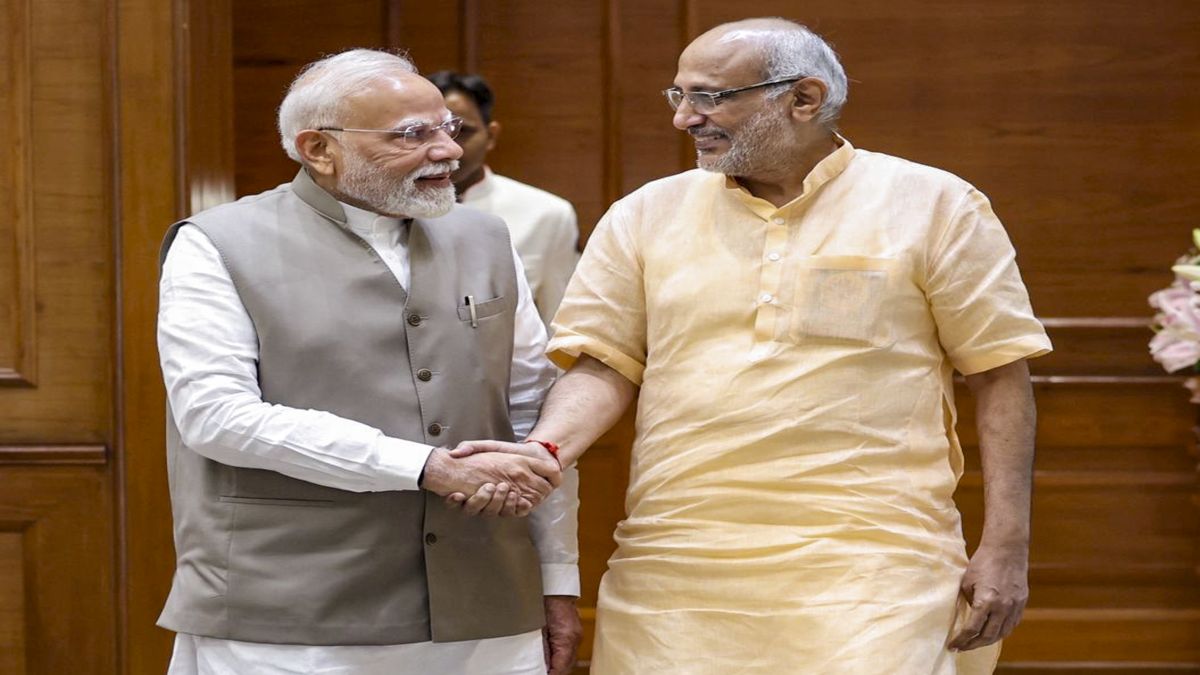 "Who is CP Radhakrishnan, India's next vice-president?")
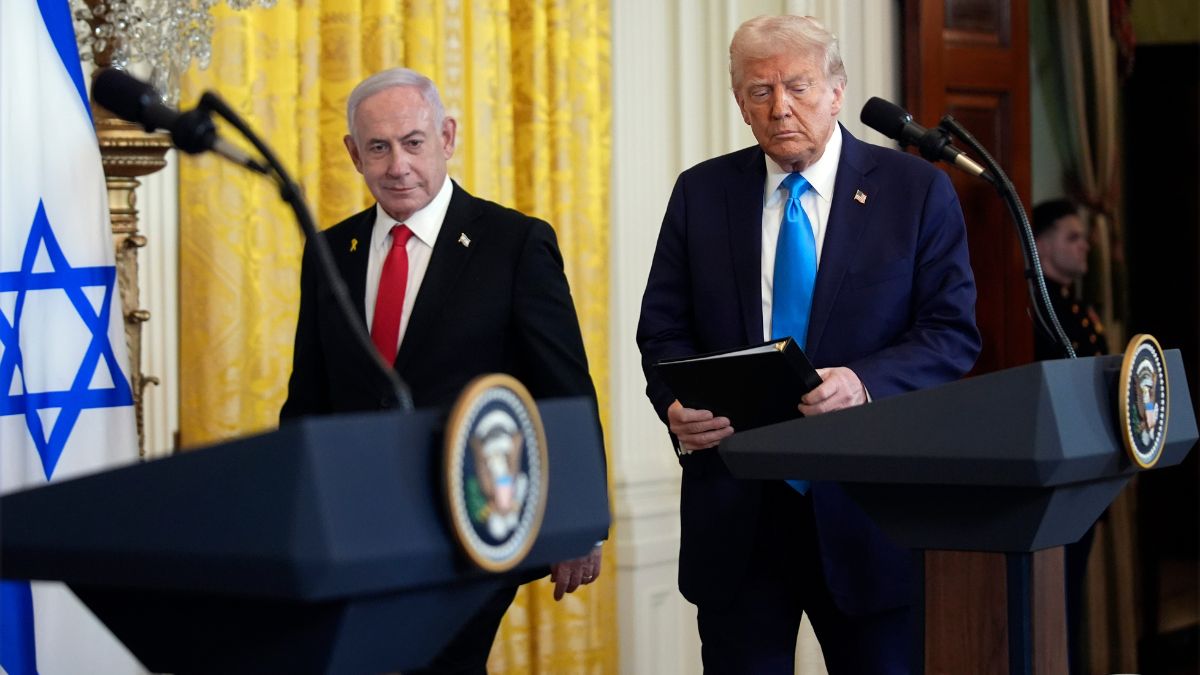 "Israel informed US ahead of strikes on Hamas leaders in Doha, says White House")
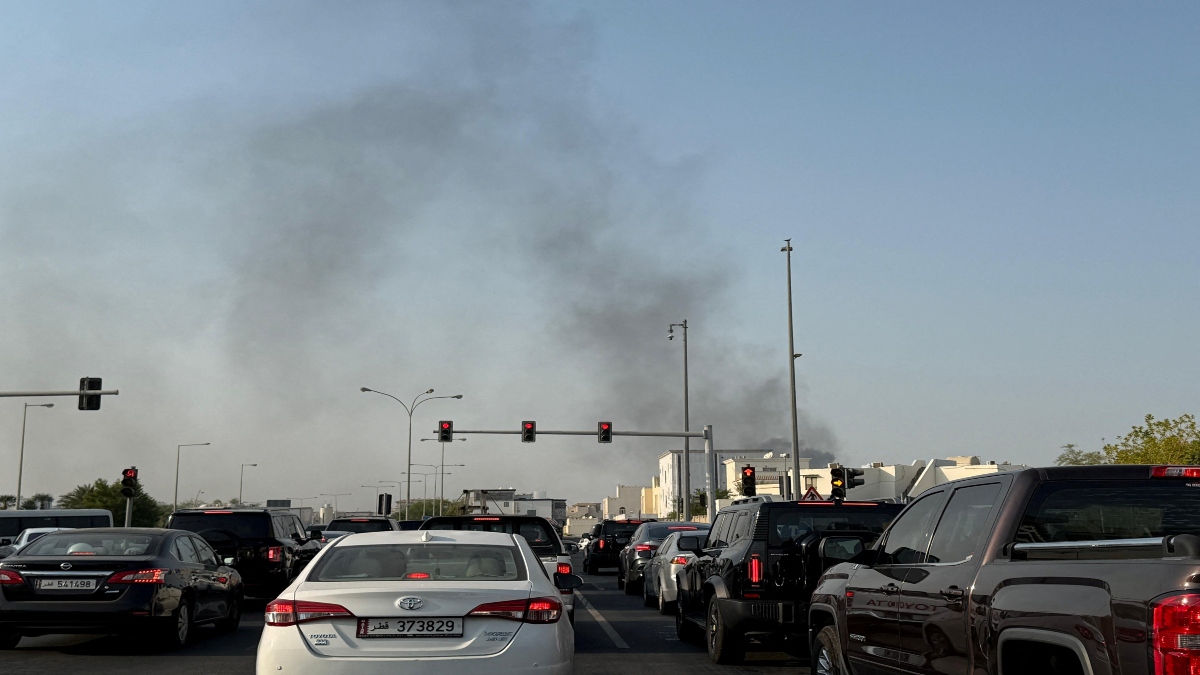 "Israel targets top Hamas leaders in Doha; Qatar, Iran condemn strike as violation of sovereignty")
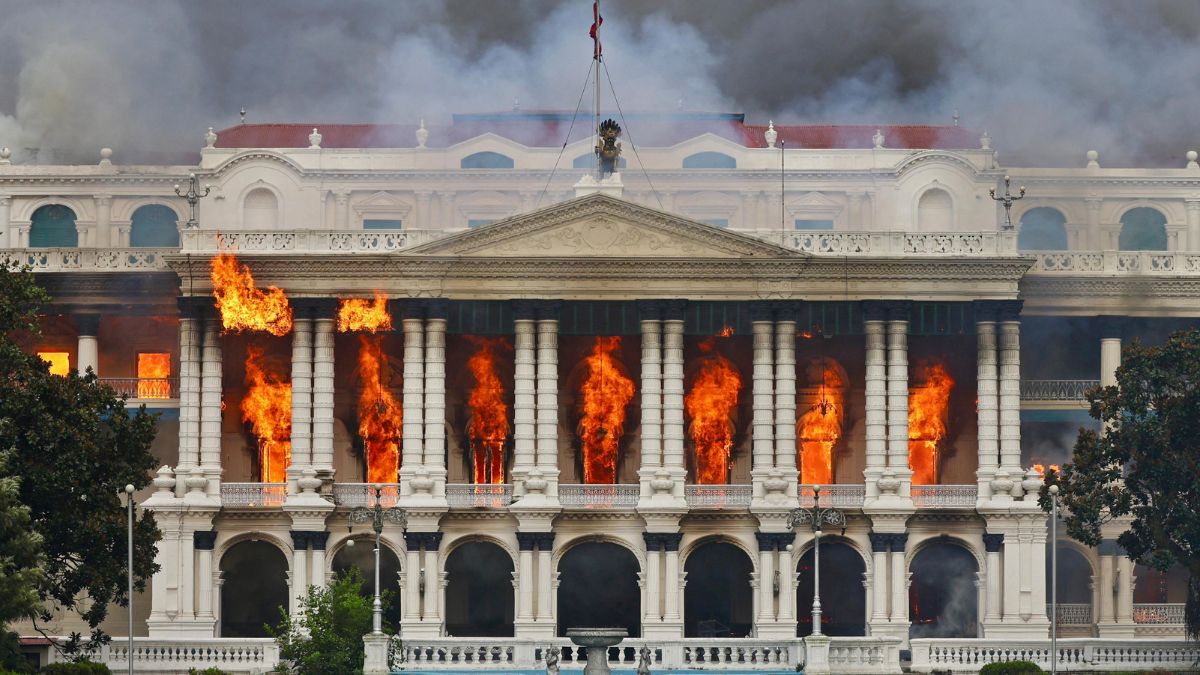 "Nepal: Oli to continue until new PM is sworn in, nation on edge as all branches of govt torched")
 "Who is CP Radhakrishnan, India's next vice-president?")
 "Israel informed US ahead of strikes on Hamas leaders in Doha, says White House")



](https://images.firstpost.com/wp-content/uploads/2012/06/pm_pra_son380PIB.jpg)