

 "How 'creamy layer' Dalits have betrayed Ambedkar's vision")
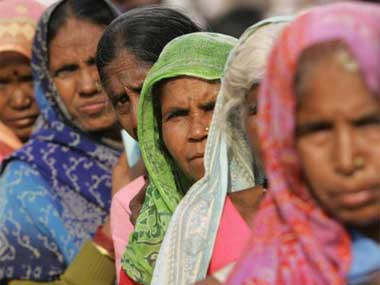
One of the big red herrings strewn across Team Anna’s path is the alleged Dalit cause. From assorted Leftist intellectuals to Dalit groups, it has become fashionable to take potshots at Anna using the Dalit bogey: where are the Dalits in your anti-corruption cause? By implication, they want to say: if there are no Dalits with you, your cause itself must be wrong. Udit Raj, a Dalit activist, claimed the Anna group’s Jan Lokpal Bill was against the constitution: “If Dalits have achieved anything, if you see any diversity today, it is because of the constitution, Parliament and bureaucracy. You cannot discredit the constitution." He wants to present a Bahujan Lokpal Bill of his own. Sure, he’s welcome to it. The more the merrier. Chandra Bhan Prasad , another Dalit writer, who has written for Firstpost, elaborates: “SCs see everyone questioning parliamentary process as villain. The scepticism started the day he (Anna) questioned the integrity of electoral politics.” Point taken, Mr Raj and Mr Prasad. Maybe Anna should figure out ways in which his anti-corruption campaign can be more inclusive, since it can be nobody’s case that corruption does not affect Dalits. However, what Mr Raj and Mr Prasad should be introspecting over is whether Dalits themselves have done what they should to protect the constitution fathered by Dr Babasaheb Ambedkar. [caption id=“attachment_68542” align=“alignleft” width=“380” caption=“Dalits have let down Ambedkar. They have elevated him to god and forgotten his lessons and exhortations. Reuters”] 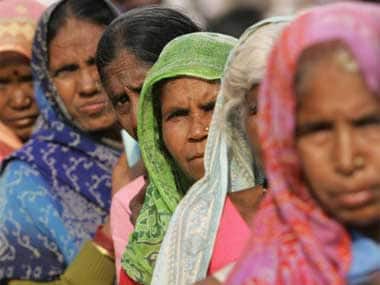 [/caption] This is what Ambedkar said about the constitution and its primacy: However good a constitution may be, it is sure to turn out bad because those who are called to work it happen to be a bad lot. However bad a constitution may be, it may turn out to be good if those who are called to work it happen to be a good lot. The working of a constitution does not depend wholly upon the nature of the constitution. The constitution can provide only the organs of state such as the legislature, the executive and the judiciary. The factors on which the working of those organs of the state depend are the people and the political parties they will set up as their instruments to carry out their wishes and their politics. Who can say how the people of India and their parties will behave? Will they uphold constitutional methods of achieving their purposes or will they prefer revolutionary methods of achieving them?” We can read two meanings into this: one is that Anna should work within the limits set by the constitution and parliamentary processes. But equally, since the worth of the constitution depends on the people administering it, Anna & Co may be right to question whether the people running the parliamentary processes are doing it right. But more, important, one wonders if Ambedkar himself would have approved of what the Dalits are doing with the constitution and democratic processes. A public interest litigation (PIL) filed by one group of Dalits in the Supreme Court shows that Dalits are often their own worst enemies. In fact, they have done everything to subvert the constitution and a Supreme Court judgment which holds that the “creamy layer” must be excluded from reservations. The PIL, filed by a Dalit from the Balmiki community, claims that barely five to 10 communities from the scheduled castes and tribes (SC/ST) have cornered all the benefits from reservations – when there are 1,677 Dalit communities needing those benefits. The court on Tuesday sought responses from both centre and states.
The PIL mover, OP Shukla, wants to exclude the Chamar, Mala, Mahar, Meena, Dusad, Pasi and Dhobi communities from the list of SCs because they have already benefited from it. “A select 5-10 castes/tribes among the target group have become financially so strong (as) to be compared with the higher castes of society. Therefore, further empowering them by way of giving them continued and further reservation will amount to unjust enrichment and will amount to violation of constitutional provisions," The Times of India quoted the Shukla’s PIL as saying.
While political Dalits like Udit Raj and Chandra Bhan Prasad would like to believe (correctly) that upper caste oppression remains the main challenge, one doubts if Ambedkar would have approved of Dalits who stop thinking about their own downtrodden segments. Continues on the next page A report in The Pioneer says the court relied on the findings of two committees which went into – the Lokur Committee of 1975 and the Usha Mehra Commission of 2008 – to issue notices on the PIL to centre and states. The petition, while pointing out that not excluding the creamy layer would make the scope of Articles 341 and 342 (under which the SC/ST lists are compiled) arbitrary and unequal. The report also talks of a 1990s Haryana report which concluded that just one Dalit caste was cornering all the reservations benefits. In Bihar, Nitish Kumar set up an extremely backward SC commission which recommended the exclusion of four castes from reservations (Dhobi, Chamar, Dusad and Passi), but courts have substantially stayed its implementation. But Dalits are also fighting another battle among themselves that goes beyond the creamy layer argument. This relates to the exclusion of Dalit Christians and Muslims from obtaining the benefits of reservation. While Hindu groups have opposed this for communal reasons, Dalit groups have been divided on this, when there is no socio-economic justification for this exclusion. A 2008 study by Satish Deshpande and Geetika Bapna, which studied the condition of Christian and Muslim Dalits, came to this conclusion: “There can be no doubt whatsoever that Dalit Muslims and Dalit Christians are socially known and treated as distinct groups within their own religious communities and that these groups are treated as ‘socially inferior’.” Caste is not a curse only in Hinduism. It pervades Islam, Christianity and Sikhism in India. There is thus no basis for excluding them from reservation benefits. Their numbers are estimated at around three million. But so-called “Hindu” Dalits are opposing their inclusion, fearing a squeeze in their own entitlements. The conclusion is obvious: by focusing on surface issues like whether Anna Hazare’s anti-corruption movement is anti-Dalit or whether the film _Aarakshan_ is fit to be screened, the “creamy layer” Dalits are essentially trying to shift the spotlight away from their own efforts to continue cornering the available quotas. They are thus doing the same things they accuse the upper castes of: exclusion of the poorest of the poor. Let’s go back to Ambedkar, who says we must not be “content with mere political democracy.” He wants social democracy, too. We must make our political democracy a social democracy as well. Political democracy cannot last unless there lies at the base of it social democracy. What does social democracy mean? It means a way of life which recognises liberty, equality and fraternity as the principles of life. These principles of liberty, equality and fraternity are not to be treated as separate items in a trinity. They form a union of trinity in the sense that to divorce one from the other is to defeat the very purpose of democracy. Liberty cannot be divorced from equality, equality cannot be divorced from liberty. Nor can liberty and equality be divorced from fraternity. Without equality, liberty would produce the supremacy of the few over the many. Equality without liberty would kill individual initiative. Without fraternity, liberty would produce the supremacy of the few over the many. Equality without liberty would kill individual initiative. Without fraternity, liberty and equality could not become a natural course of things. It would require a constable to enforce them. In short, this is as much a critique of upper caste Dalits walking away with all the benefits of reservations as it is about upper caste people trying to exclude Dalits and OBCs from advancement. This is what, I believe, Ambedkar would say today, if he were alive: “We need reservations to improve the lot of the depressed classes. On that there can be no two opinions, though it makes me wonder why we have not managed to lift ourselves up even 60 years after we gave ourselves reservations. I thought we could do it in 10 years, but that hasn’t happened for various reasons. Upper caste opposition and exclusion strategies are certainly one part of the answer. But surely, some of the fault must lie with us. Why have we not reviewed the reservation scheme to check why it hasn’t worked for us? Why is one section cornering the benefits of reservation all the time? I look forward to the day when the Depressed Classes will not need reservations to educate ourselves or get a decent job. That is our goal. But right now we need to introspect and ask ourselves whether we are our own worst enemies.” Dalits have let down Ambedkar. They have elevated him to god and forgotten his lessons and exhortations.

 "Israel targets top Hamas leaders in Doha; Qatar, Iran condemn strike as violation of sovereignty")
 "Nepal: Oli to continue until new PM is sworn in, nation on edge as all branches of govt torched")
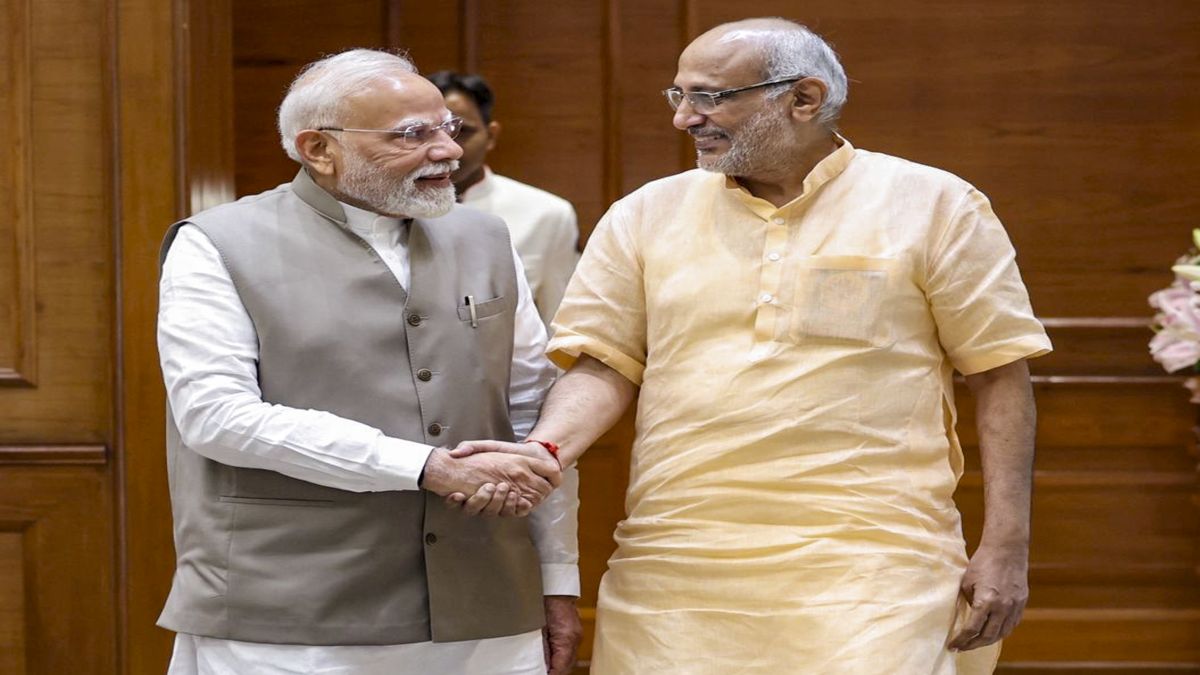 "Who is CP Radhakrishnan, India's next vice-president?")
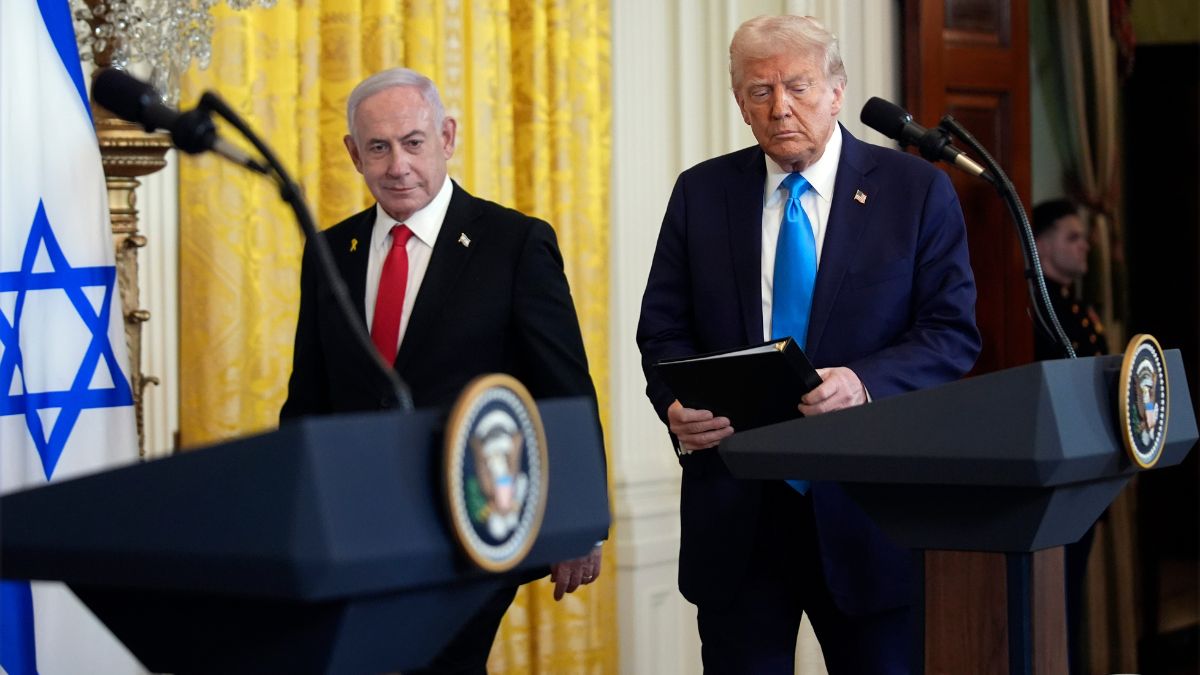 "Israel informed US ahead of strikes on Hamas leaders in Doha, says White House")
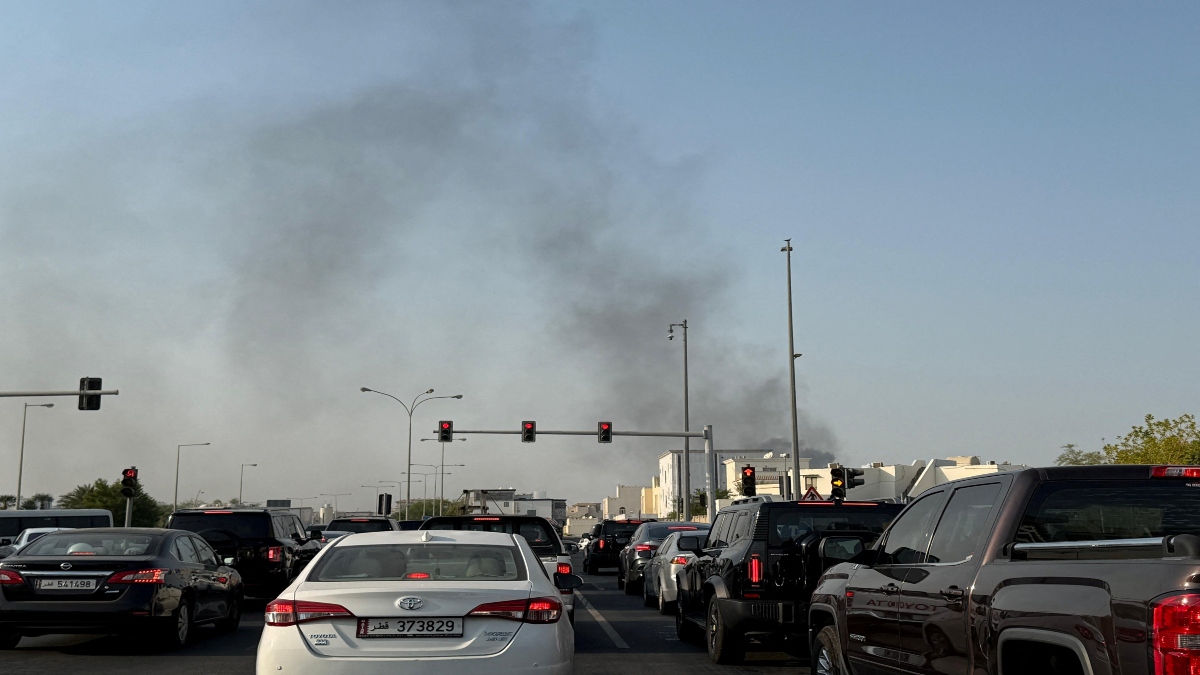 "Israel targets top Hamas leaders in Doha; Qatar, Iran condemn strike as violation of sovereignty")
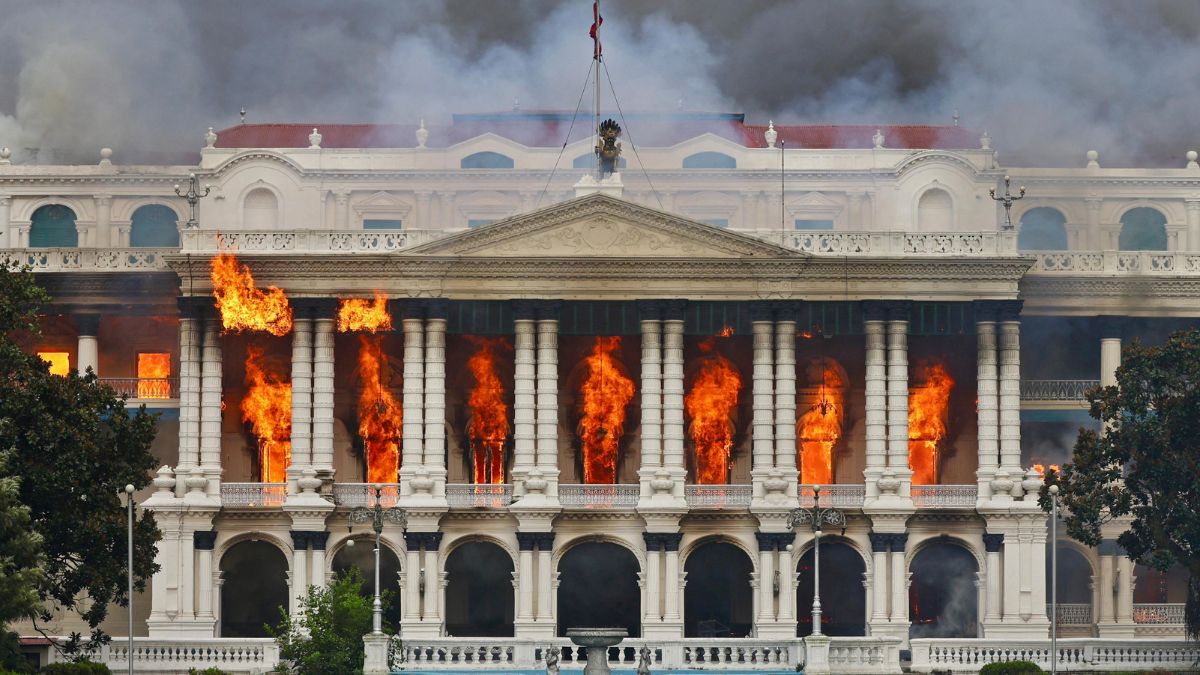 "Nepal: Oli to continue until new PM is sworn in, nation on edge as all branches of govt torched")
 "Who is CP Radhakrishnan, India's next vice-president?")
 "Israel informed US ahead of strikes on Hamas leaders in Doha, says White House")



](https://images.firstpost.com/wp-content/uploads/2011/08/dalit-afp.jpg)