

 "Heavy hangs the head: More than just an economic package at stake for Mufti as Modi heads to Srinagar")
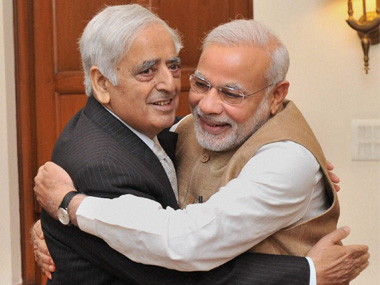
Could a whopping economic package make up for silence on India-Pakistan rapprochement? Would handing over key power projects for management by the state government cut ice with anti-India propagandists? Will a vast but minutely-orchestrated prime ministerial audience make up for curfew at large? From such vexing questions hangs the fate of the beleaguered Chief Minister of Jammu and Kashmir, Mufti Mohammed Sayeed. This Saturday is one of the most crucial days of his tenure. His coalition partner, Prime Minister Narendra Modi, is to visit Srinagar that day — and those gloomy issues are mistily hanging over Kashmir. Mufti’s friends and ostensible foes alike have compared Modi’s visit to that of another prime minister — and perhaps Mufti too sees it in that light. Atal Behari Vajpayee had visited Srinagar on 17 April 2003. It was a sudden visit, announced just two days before. Standing beside Mufti, who was chief minister then too, Vajpayee had addressed Pakistan from Srinagar. [caption id=“attachment_2129511” align=“alignleft” width=“380”] File image of Mufti Mohammed Sayeed and PM Narendra Modi. PTI[/caption] Vajpayee had told Pakistan he was ready to dispatch a foreign service officer the next day if it were willing to engage in talks. It was just a few months after the two countries’ troops had been withdrawn from a year-long eyeball-to-eyeball face-off on the border following the Parliament attack on 13 December 2001. Vajpayee’s Srinagar speech — about which he had not consulted even his principal secretary and national security advisor Brajesh Mishra, leave alone Home Minister LK Advani — kicked off one of the three most promising sets of negotiations between the two hostile neighbours during the past seven decades. Nothing came of it, but Mufti had adroitly projected himself as the fulcrum of those talks and the confidence-building measures which accompanied them, such as the opening of the Srinagar-Muzaffarabad road. Insiders say they don’t expect Modi to make that kind of bold gesture to Pakistan on Saturday. In fact, Mufti did his best to persuade a closed meeting of party workers last Saturday that multiple power centres in Pakistan had queered the pitch for bilateral talks, which India actually wanted. As for Kashmir, he said he had no doubt that Sheikh Abdullah had been right to back accession to India. Mufti is walking a dangerous tightrope to try and motivate his disgruntled workers with such candour amid widespread alienation. Rather than a grand opening to Pakistan, Mufti is apparently hoping that this prime minister might open the way for talks with a range of political forces, including the Hurriyat Conference. Mirwaiz Omar Farooq has as good as responded in advance: He told an interviewer that the Hurriyat Conference which he chairs, would be willing to engage in talks if the prime minister were to initiate talks with Pakistan too. That is the inflexible position of his rival, Syed Ali Shah Geelani. Taking an alternative line would require great political adroitness. Far more than any possibility of talks, Mufti has apparently pinned hope on a major economic initiative, including a huge monetary ‘package’. There have been several false starts on that since the PDP-BJP coalition took office nine months ago. The state’s finance minister Haseeb Drabu even announced a ‘package’ which did not materialise. This time, Mufti’s own reputation is on the line. He has micro-managed preparations for the visit after preparatory talks with the prime minister in New Delhi. BJP general secretary and point man for the state, Ram Madhav, has also been in Srinagar to prepare the ground. Mufti apparently hopes that, although the long-expected ‘package’ will be essentially economic rather than political, it may obliquely address one of the oft-repeated anti-India propaganda points among Kashmiris — that the state’s water resources are appropriated for the power needs of other northern states, leaving Kashmir in the dark. He apparently hopes that the ‘package’ will include a sum to underwrite compensation to the National Thermal Power Corporation for handing over a couple of power projects to the state government. Mufti must be hoping against hope that such a manifestly ill-advised step will yield some political dividends for him — and ease alienation. For, given the state’s abysmal performance in managing mirco-hydel projects, power distribution, and such ambitious and high-investment schemes as an Entrepreneurship Development Institute, handing over power projects is likely to be economically disastrous. Mufti’s challenge to project an essentially economic initiative as politically sufficient has been vastly increased by the gauntlet thrown by separatist leaders led by Geelani. They have called for a ‘million march’ to protest the prime minister’s visit. The government faces the unenviable task of imposing strict curfew on those who respond to that call even while facilitating the congregation which MLAs of both the PDP and its coalition allies are mobilising. The chief minister is personally making a back-breaking effort to ensure that Modi’s visit passes off successfully. He sees it as a key turning point for his current tenure. The problem is that success in this case will be counted in both positive and negative terms; repression is as vital as mobilisation.
This Saturday is one of the most crucial days of Chief Minister of Jammu and Kashmir, Mufti Mohammed Sayeed’s tenure. His coalition partner, Prime Minister Narendra Modi, is to visit Srinagar that day — and many gloomy issues are mistily hanging over Kashmir.
David Devadas is an expert on politics and geopolitics. Formerly a Senior Fellow at the Nehru Memorial Museum and Library, Visiting Professor at Jamia Millia Islamia, and Political Editor of Business Standard, he is currently Distinguished Fellow at the Institute for Social Sciences. He has written books on Kashmir, on youth, and on history. He has been a radio compere, guest faculty at JNU's Academic Staff College, St Stephen's College and Hindu College. He has worked for the Indian Express, The Hindustan Times, India Today, The Economic Times and Gulf News. His most impactful article, on a murder cover-up, prevented a Congress President from becoming prime minister. One led to the closure of an airline, and another created a furore and consequent clean-up in Delhi's health department. Several have correctly predicted election results in key states, and a series of reports from Srinagar made the government aware of how unsettled the situation there was in 1990. He is an alumnus of St Xavier's School, St Stephen's College, and the Indian Institute of Mass Communication. He has lived for extended periods in Geneva and Berlin, and has traveled to almost 50 countries. He enjoys various kinds of music, theatre, design, architecture and art. see more

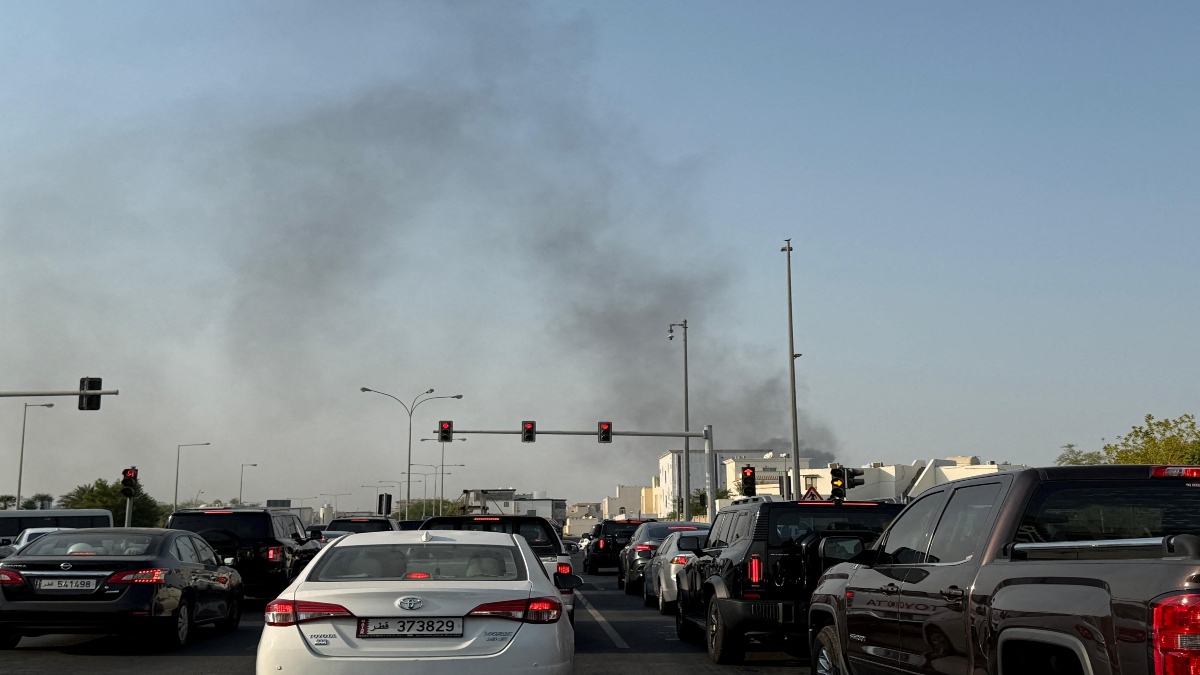 "Israel targets top Hamas leaders in Doha; Qatar, Iran condemn strike as violation of sovereignty")
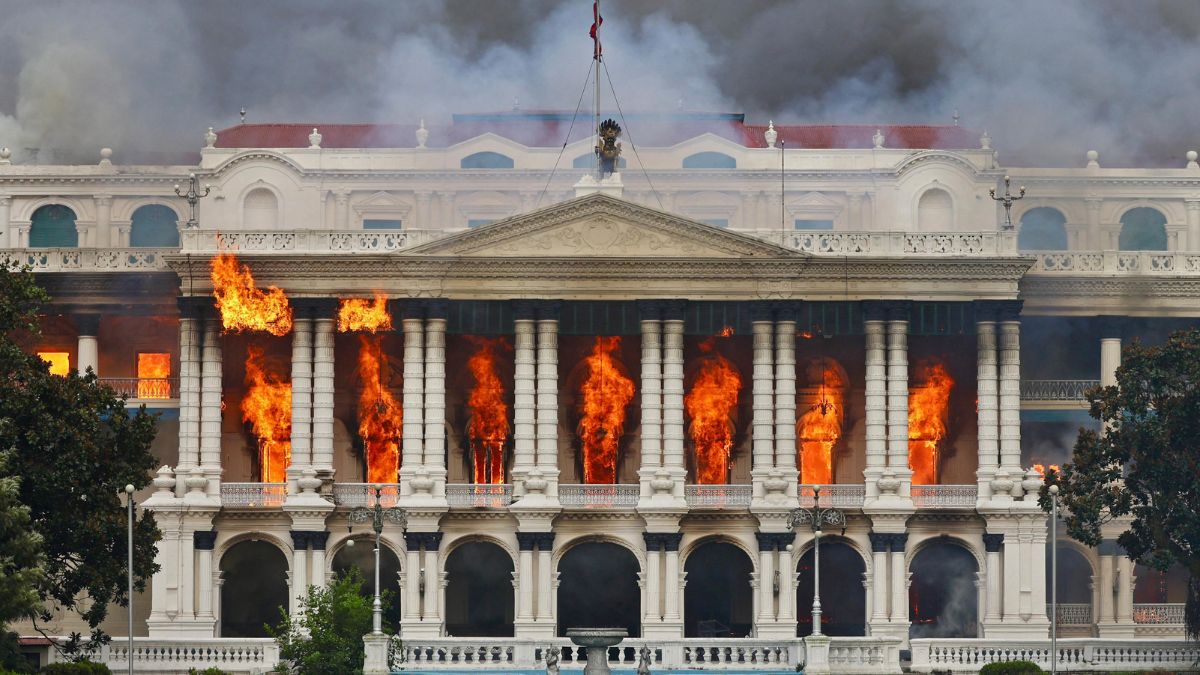 "Nepal: Oli to continue until new PM is sworn in, nation on edge as all branches of govt torched")
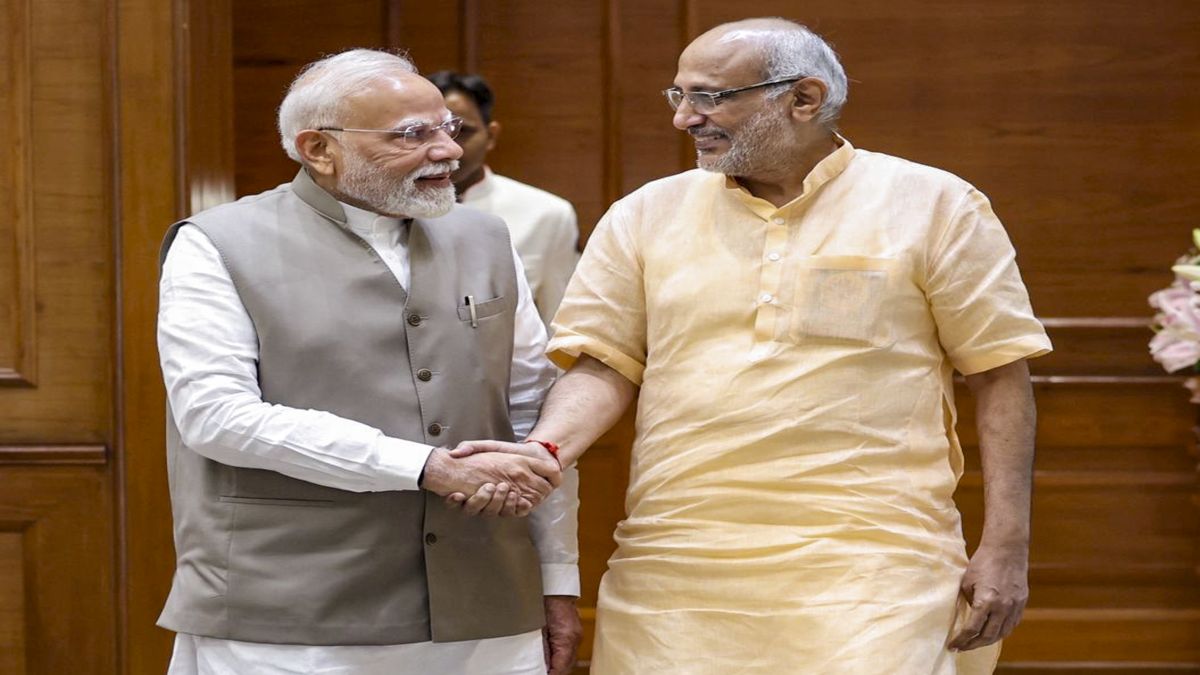 "Who is CP Radhakrishnan, India's next vice-president?")
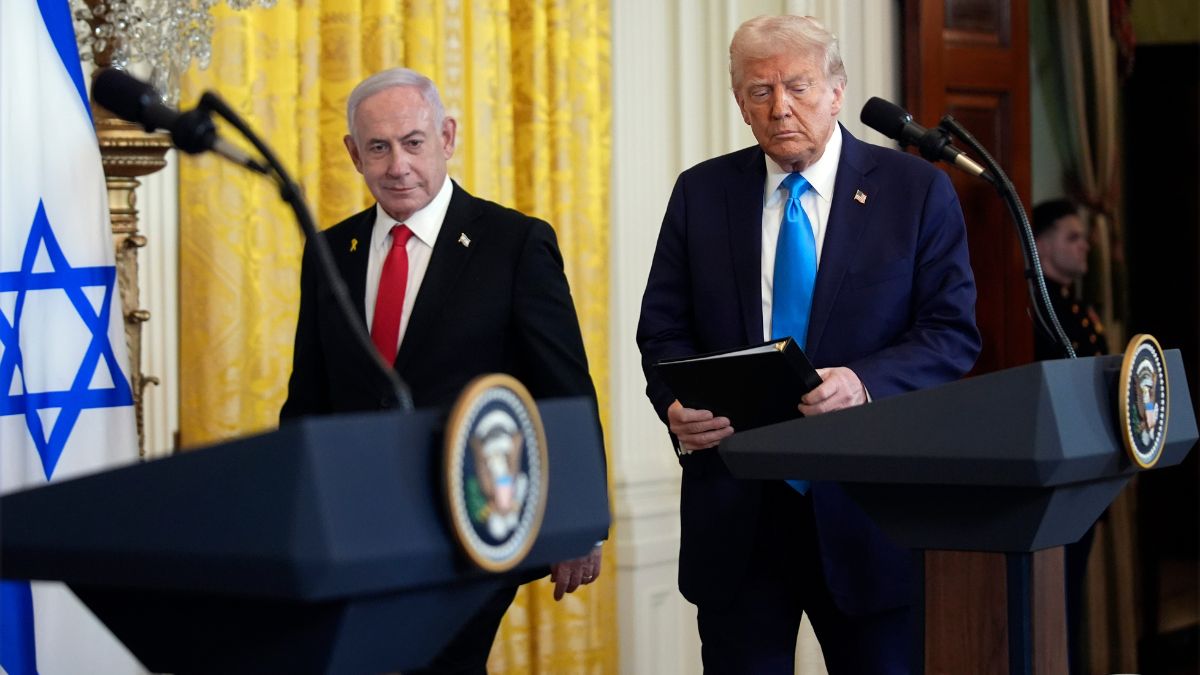 "Israel informed US ahead of strikes on Hamas leaders in Doha, says White House")
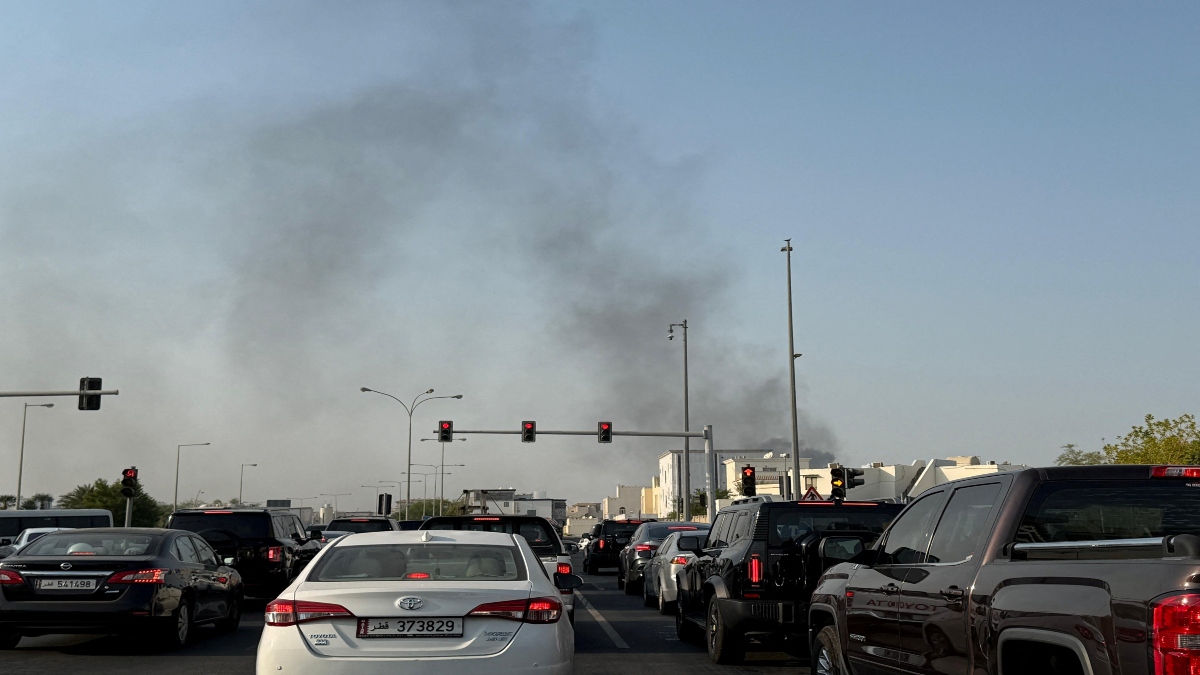 "Israel targets top Hamas leaders in Doha; Qatar, Iran condemn strike as violation of sovereignty")
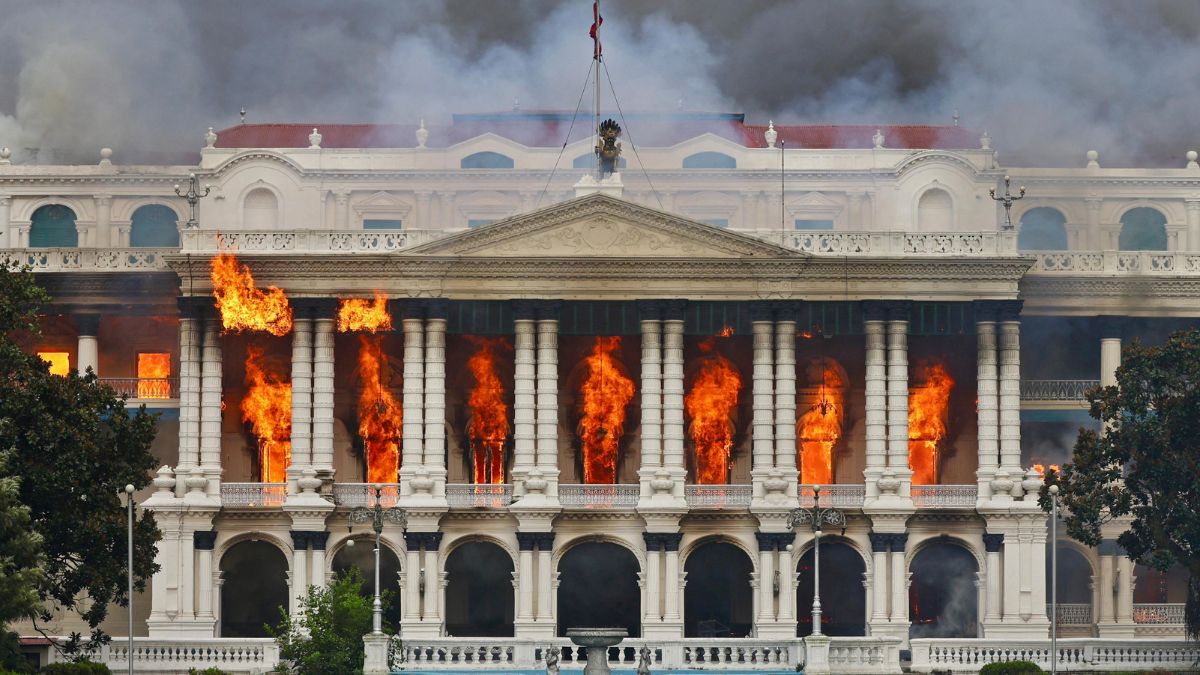 "Nepal: Oli to continue until new PM is sworn in, nation on edge as all branches of govt torched")
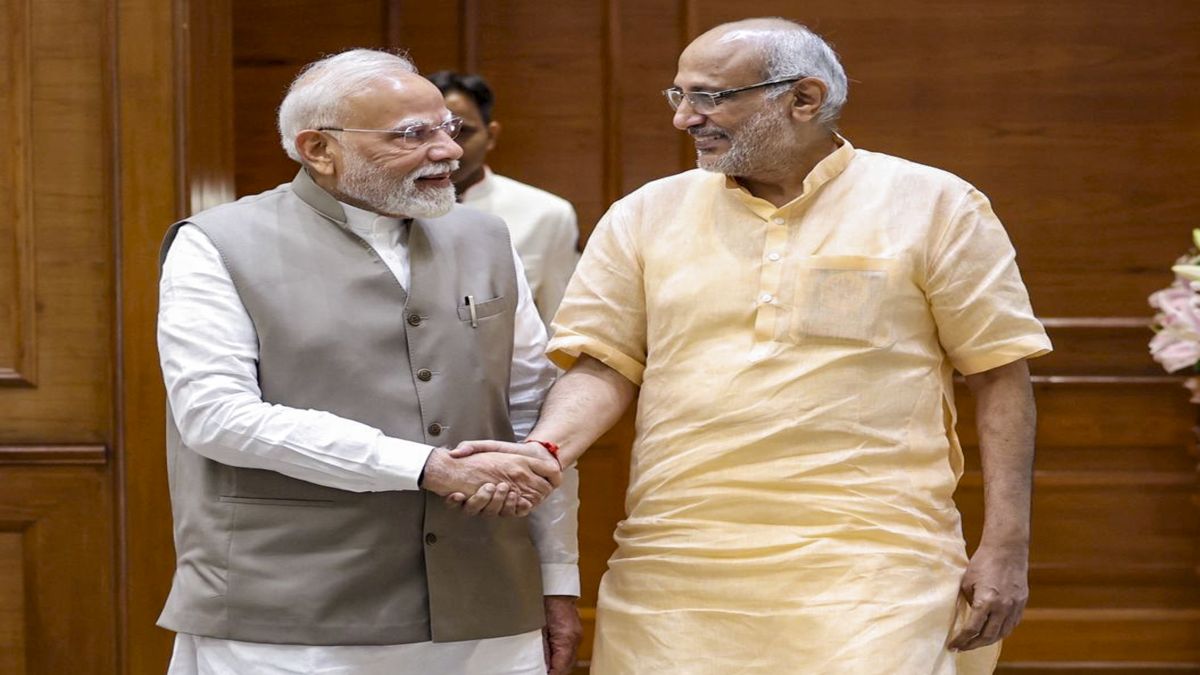 "Who is CP Radhakrishnan, India's next vice-president?")
 "Israel informed US ahead of strikes on Hamas leaders in Doha, says White House")



