

 "Delhi rape: People on the streets, and netas in hiding")
There’s anger on the streets. A 23-year-old has been brutally attacked and raped. She is fighting for her life in a hospital. India’s young are asking one simple question: why? They are demanding a clear answer and they want promises that will convince them that they will be safe in the country. It’s a protest not loaded political motives; it’s an expression of overwhelming frustration. Yet, no political leader has the courage to come out and face them. Where is Rahul Gandhi? He is supposed to be the Congress’s link to the Young Indian. Where are the other young leaders from other parties? Where are the elder ones? What stops Delhi Chief Minister Sheila Dikshit from coming out and sharing the grief of the protesters? A lot of them have been shedding copious tears in the media for the rape victim and on the state of women in the country. They have been busy scoring political brownie points on television channels. Why cannot they come out and meet the protesters? [caption id=“attachment_566441” align=“alignleft” width=“380”] 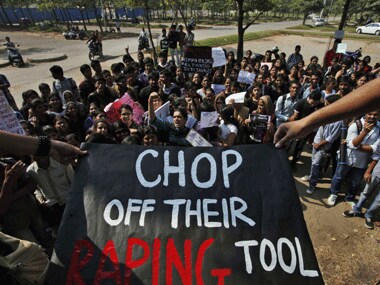 Protests following the gangrape in Delhi. AP.[/caption] Well, they don’t have the real answer to the problem. The government’s knee-jerk response to the Sunday evening incident reflects the bankruptcy of ideas in the political class. Removing tinted glasses from public vehicles, keeping the light on in them in the night and closing pubs after 1 am are nothing but tokenism. If someone seriously believed that such measures would curb incidents of rape, he must belong to another world. Leaders are incapable of finding any solution to the problem. They are either incompetent or indifferent. There are three policemen for every VIP in Delhi and one for more than 700 hundred of ordinary people. The ratio of policemen to one lakh population in India stands at roughly 130. In other countries the people-police ratio is much higher. According to United Nations guidelines, it should be at least 220. The country is thus short of six lakh policemen. But that is only part of the story. The available policemen are mostly busy protecting VIPs, mostly politicians, making passport verifications, managing rallies and helping other government authorities do their job. There are only a handful left to serve the ordinary people. The police are understaffed, overworked and demoralised. But they also represents the might of the state, and thus make for easy targets for public wrath whenever there’s trouble. Any call for better law and order should start at reforming the police force. The politicians won’t want that status quo changed. In some way it helps their cause if the police force remains weak, far short of optimal strength. They should be left to playing their political games. It’s better the protesters out there find the solutions and present these to their leaders to take them forward. Their sense of hurt and despondency should lead to something productive. But are they good enough to see beyond immediate emotions? The answer, going by what one hears on television and other media, is disappointing. In the entire discourse so far, the emphasis on punishment is disportionately heavy. ‘Hang them’, ‘castrate them’, ‘put them in jail quickly’ have been the rough and ready remedies on offer. These go with the current public mood. No one is in disagreement that rapists should get the toughest of punishments but it hardly qualifies as any solution to the original problem. Any action makes little sense when physical and psychological damage is already done to the victim. Moreover, people committing the heinous act of this kind hardly think of the consequences at that very moment. The best idea is to shift attention to prevention. And when it is about prevention, it has to be mostly about efficient policing. It requires quality, which is not possible without adequate manpower and proper training. Why hasn’t one heard any expert talking about new recruitment to the police force? Why is the government not being challenged for sitting on reform proposals? Why are our police so weak at investigating cases? The anger at the police might look justified in the heat of the moment but in the final analysis it makes little sense. The protesters must demand that the politicians start reforming the police first. They can present Rahul Gandhi and other leaders with a charter of actionable demands. The call for harsher punishment to victims can wait. The collective frustration must yield something that is beneficial to it.
The government’s knee-jerk response to the Sunday evening incident reflects the bankruptcy of ideas in the political class.
Advertisement
End of Article

 "Israel targets top Hamas leaders in Doha; Qatar, Iran condemn strike as violation of sovereignty")
 "Nepal: Oli to continue until new PM is sworn in, nation on edge as all branches of govt torched")
 "Who is CP Radhakrishnan, India's next vice-president?")
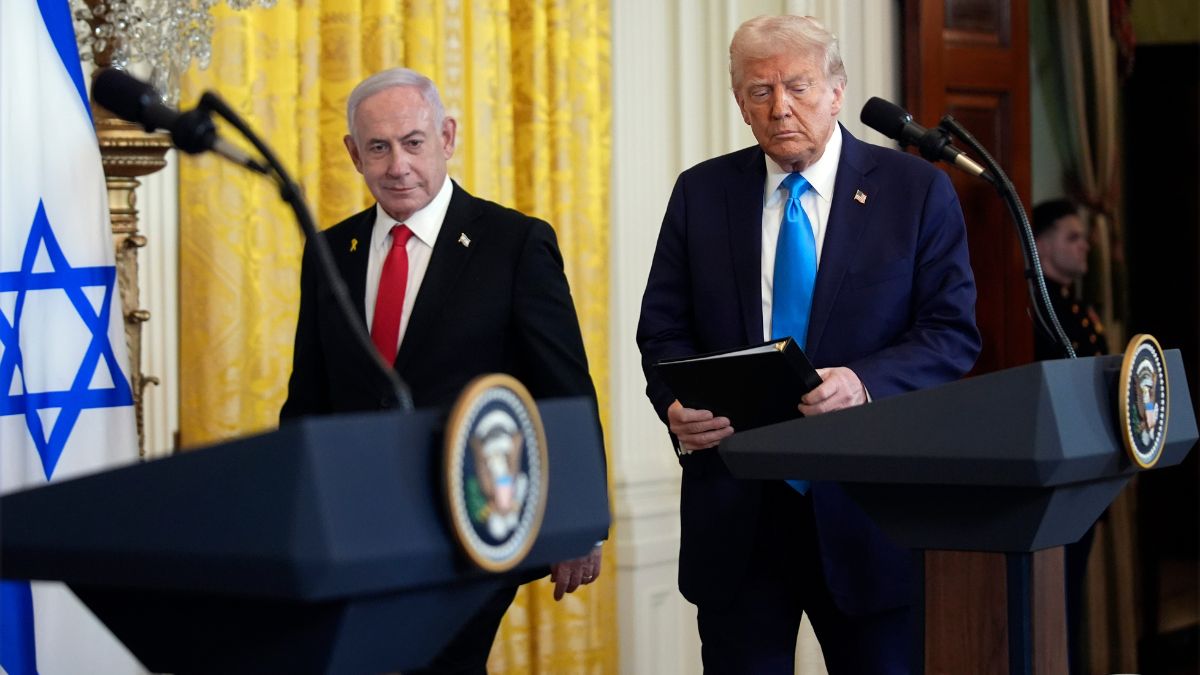 "Israel informed US ahead of strikes on Hamas leaders in Doha, says White House")
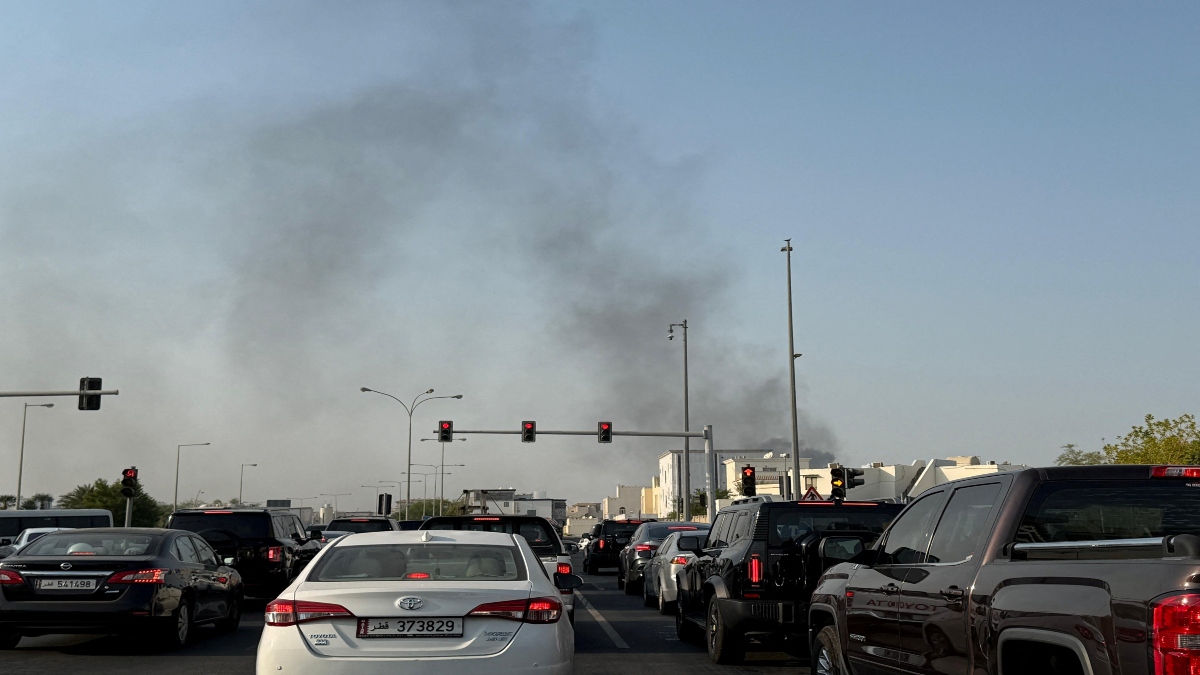 "Israel targets top Hamas leaders in Doha; Qatar, Iran condemn strike as violation of sovereignty")
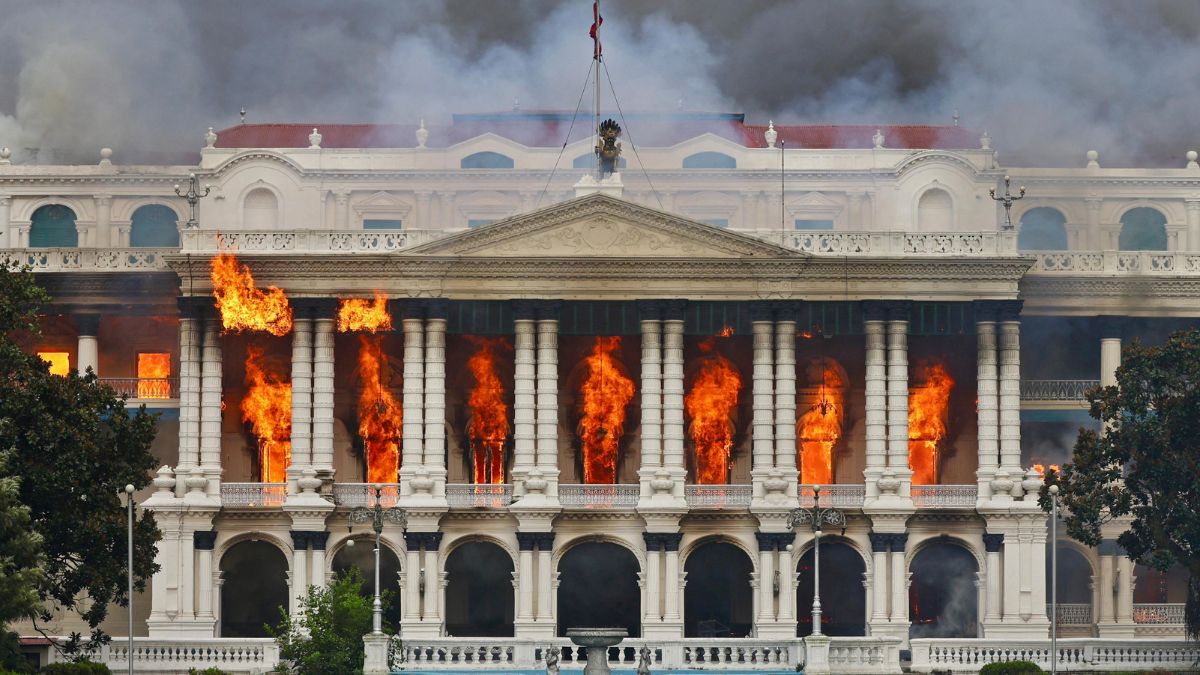 "Nepal: Oli to continue until new PM is sworn in, nation on edge as all branches of govt torched")
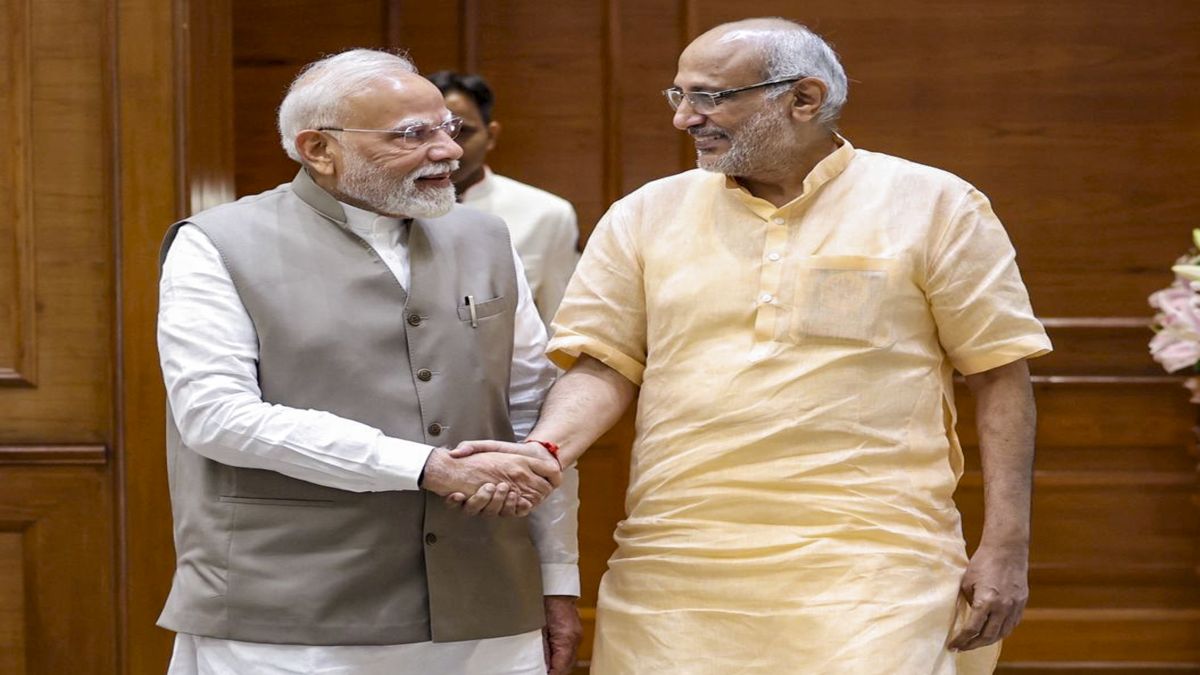 "Who is CP Radhakrishnan, India's next vice-president?")
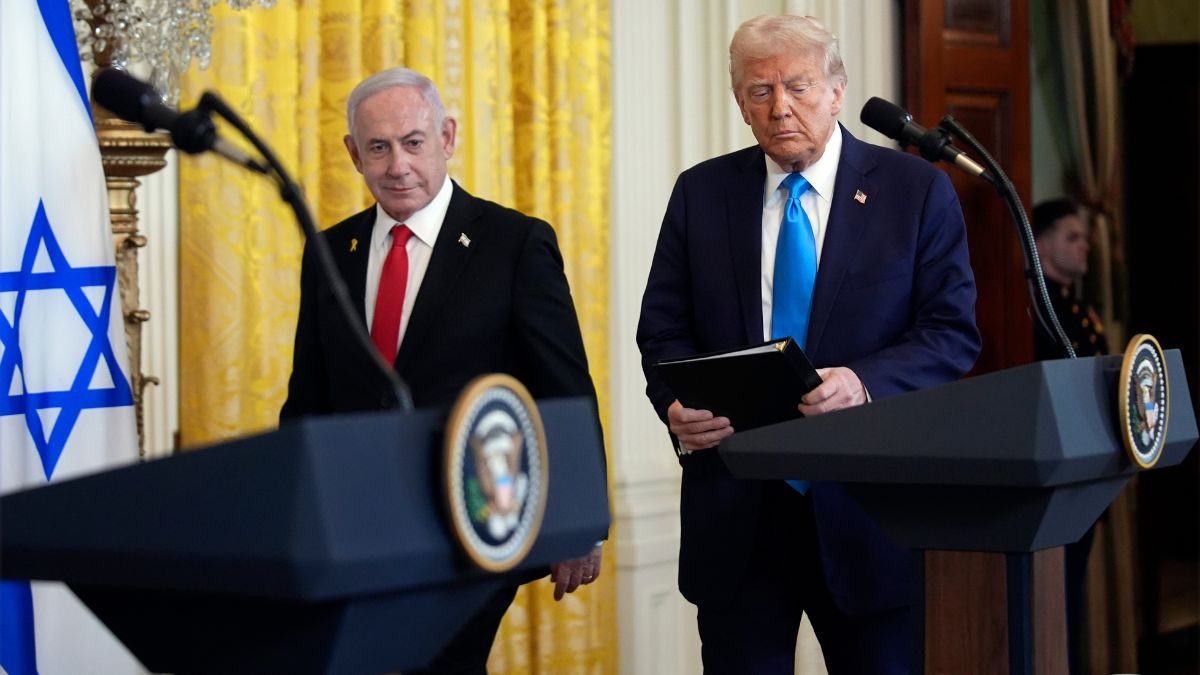 "Israel informed US ahead of strikes on Hamas leaders in Doha, says White House")



](https://images.firstpost.com/wp-content/uploads/2012/12/rape-protest2.gif)