

 "Crusaders must get real, focus on the common man")
In the small regular universe that the ordinary citizens live, move around and finally die, there are more pressing everyday matters than whether the prime minister should come under the Lokpal. One hopes the churn over corruption throws up something concrete but one also expects any popular movement in future stays closer to problems revolving around people’s lives. It should emphasise on change starting at the bottom of the pyramid and moving up instead of the other way round and have a more micro and targeted approach. [caption id=“attachment_19141” align=“alignleft” width=“380” caption=“Leaders like Anna Hazare and Baba Ramdev have immense reach among the masses and a great deal of goodwill.PTI”] 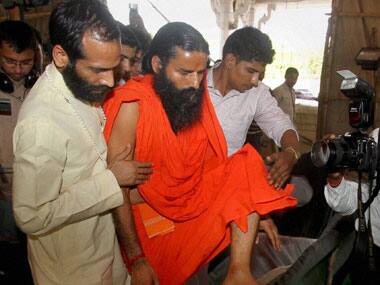 [/caption] Issues like 2G, Lokpal and Swiss bank accounts are relevant at one level but they are far too removed from the routine challenges the common folk in India face at every step. They have to contend with corruption and indifference at their level and it is far more serious than what issues the elite of the country is obsessed with now. These are questions of basic human dignity in a free country. The city-bred younger generation may not be aware of the humiliation the common man has to endure at government offices on a daily basis — the long wait at the clerk’s table, the demand for money, the harassment in repeat trips and the arrogance of the officers being part of the experience — or his sense of frustration at the retail PDS outlet, at the public healthcare facility, at the municipality office and elsewhere. Probably they are too young to realise the personal indignity one has to endure in getting one’s five-year-old kid admitted to a decent school in Mumbai, in being charged fees at the whims of the powerful school administration and in being disallowed to meet the principal, and sense of helplessness of the parents’ at the harassment the young one has to swallow in the school. The common man is at the receiving end everywhere, while in commute, while in a police station and while dealing with builders of his tiny apartment. There’s too much working against him which, in fact, should be working for him. Disgraced telecom minister A Raja is far less a threat to the common man than the corrupt clerk and officials in the government and the blood-sucking managements of educational institutions. Where’s the popular outrage against them? The assumption possibly is that the common man deserves a dose of insult as he does not have the power to change anything neither does he have a voice to raise questions. The 2G spectrum scandal does not affect ordinary life the way all these do. In that way the whole anti-corruption movement built around it is escapist. Why do we spend so much energy on that? The process of change at the bottom has to begin somewhere. Leaders like Anna Hazare and Baba Ramdev can play a huge role here. They have immense reach among the masses and a great deal of goodwill. Their appeal is far more inclusive than that of the more elite-centric Kiran Bedi, Arvind Kejriwal or Shanti Bhushan. They could be agents of change in the commoners’ life. But only if they focus on retail changes not wholesale ones like in the present case. This is a big challenge for the civil society too. It must be less esoteric to make itself more relevant to people. Yes, such efforts won’t give its members their television camera moment or the large-than-life importance. But they would bring the real change India needs.
Lokpal won’t change the lives of common citizens. Instead, the civil society must focus on everyday problems of the ordinary man. That would count as actual service.
Advertisement
End of Article

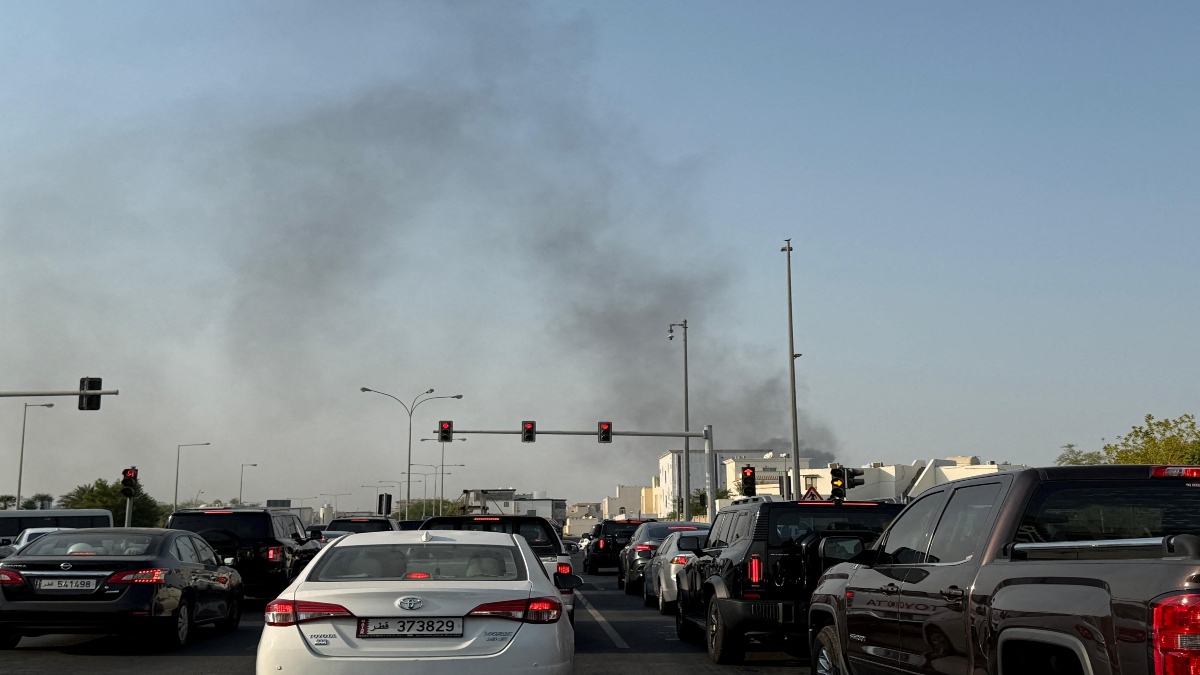 "Israel targets top Hamas leaders in Doha; Qatar, Iran condemn strike as violation of sovereignty")
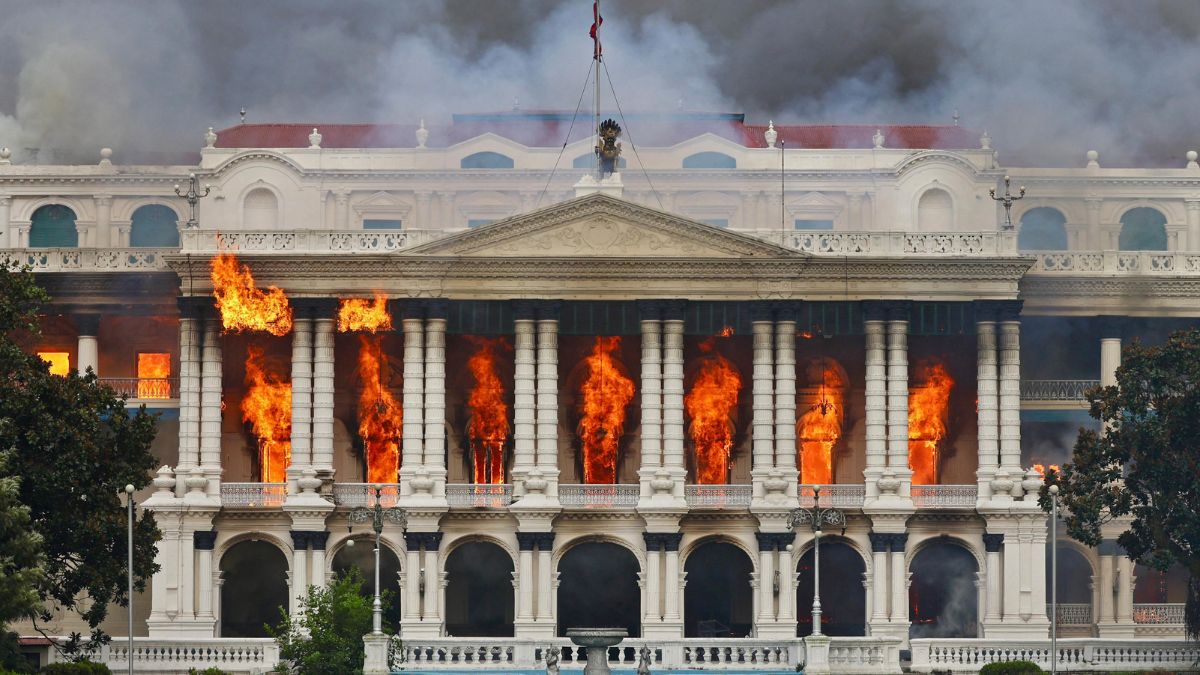 "Nepal: Oli to continue until new PM is sworn in, nation on edge as all branches of govt torched")
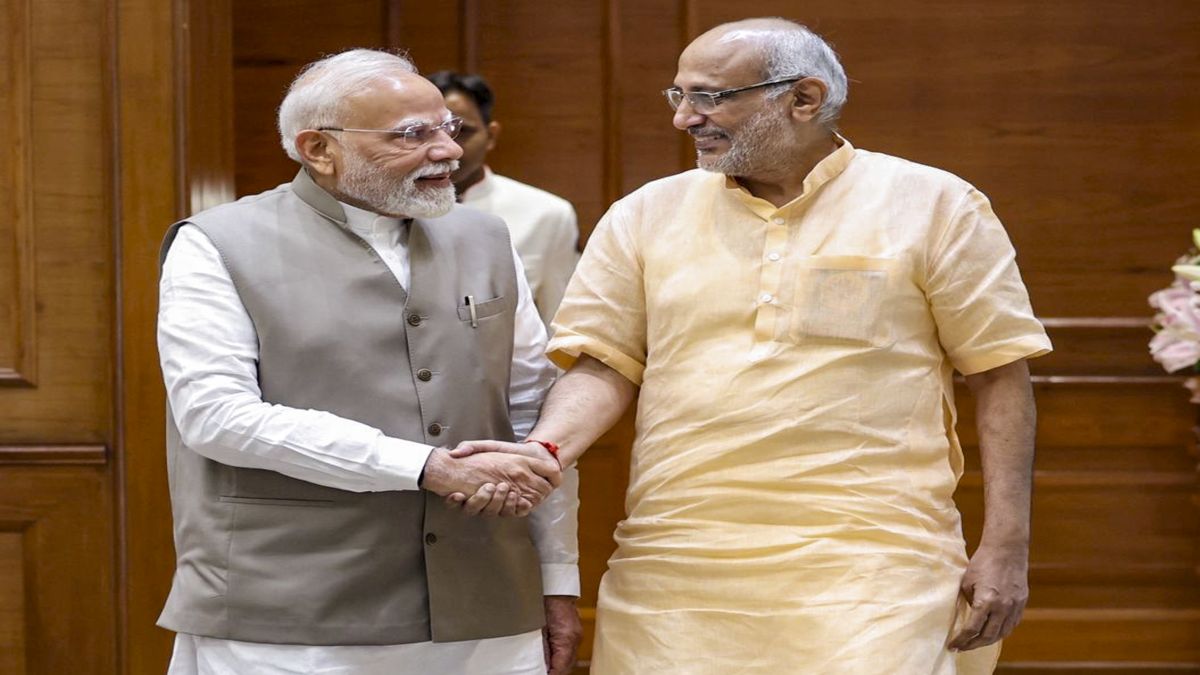 "Who is CP Radhakrishnan, India's next vice-president?")
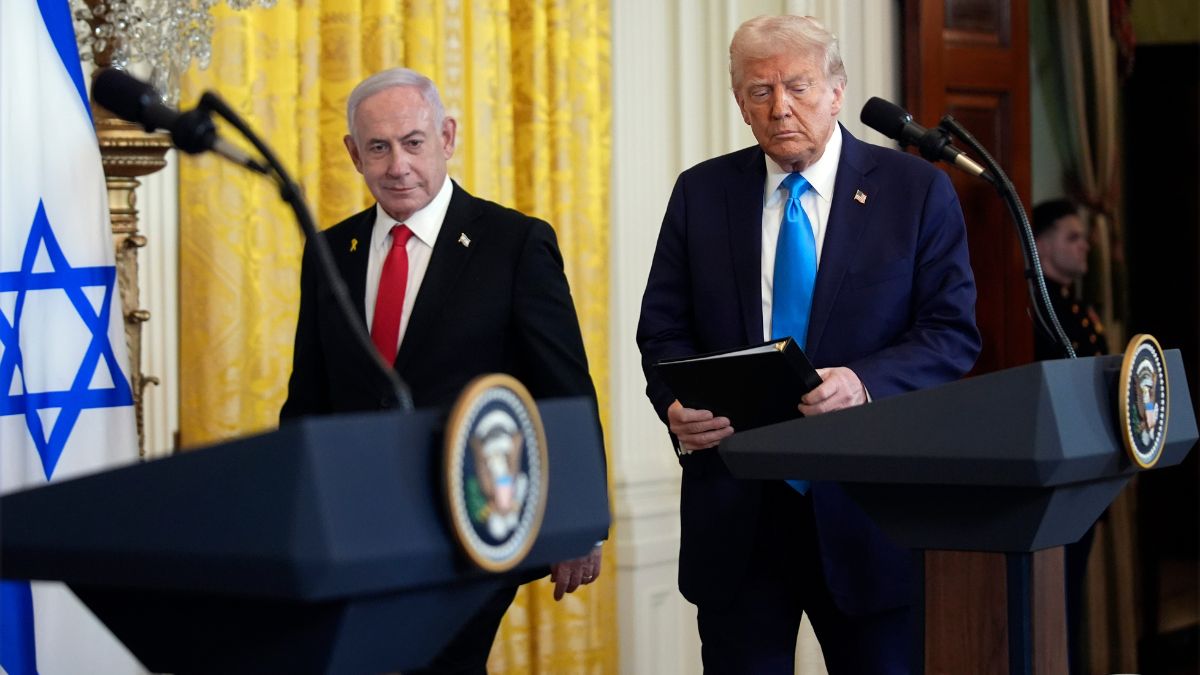 "Israel informed US ahead of strikes on Hamas leaders in Doha, says White House")
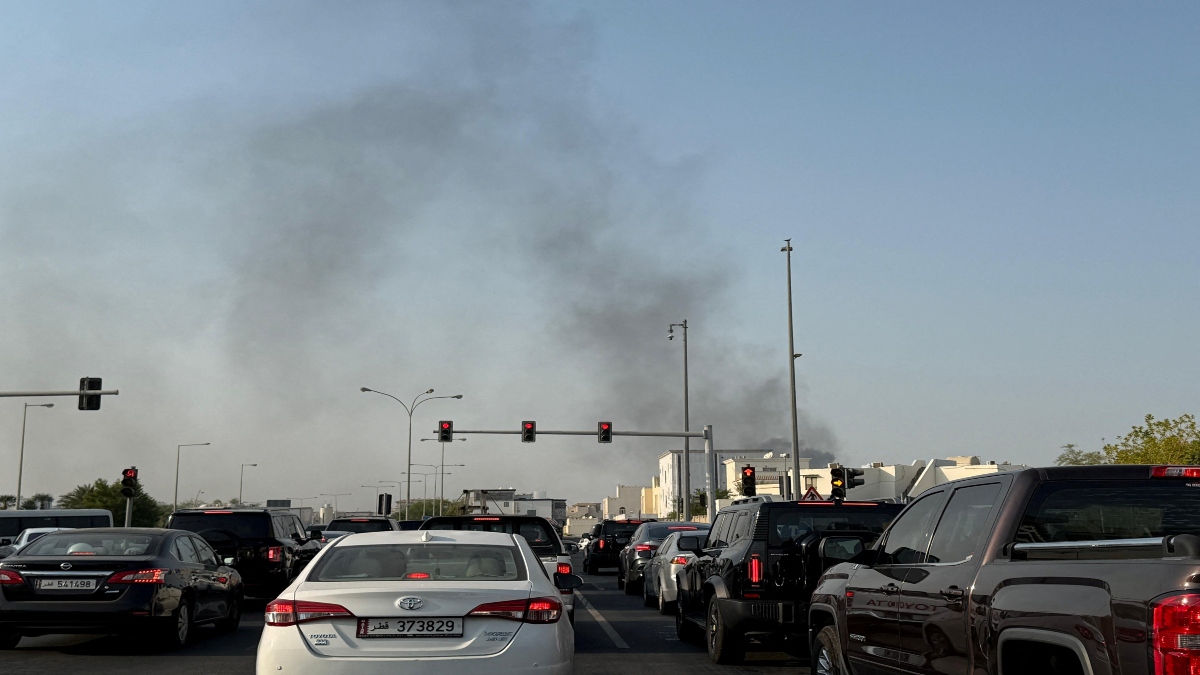 "Israel targets top Hamas leaders in Doha; Qatar, Iran condemn strike as violation of sovereignty")
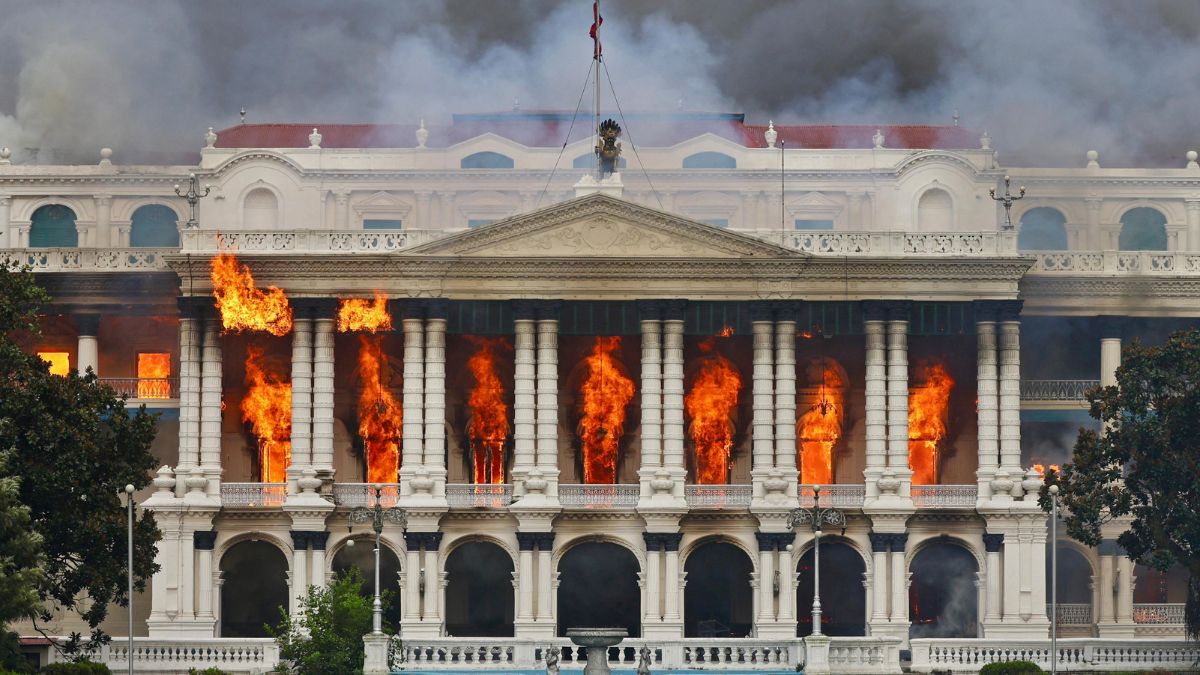 "Nepal: Oli to continue until new PM is sworn in, nation on edge as all branches of govt torched")
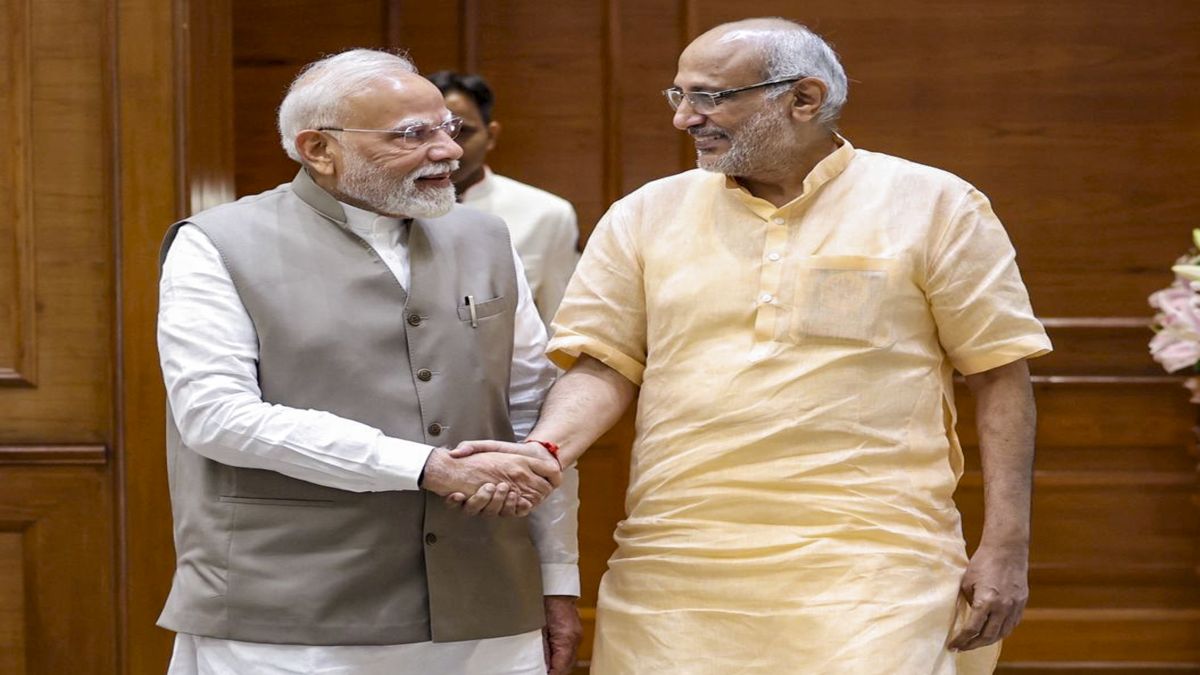 "Who is CP Radhakrishnan, India's next vice-president?")
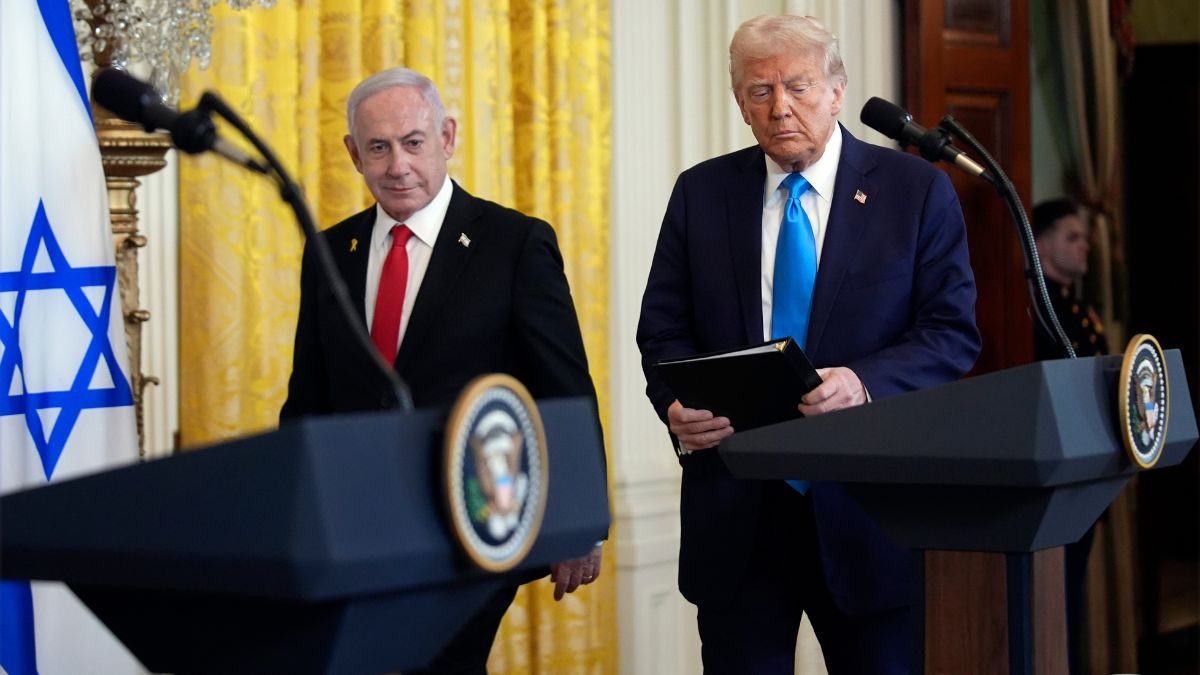 "Israel informed US ahead of strikes on Hamas leaders in Doha, says White House")



](https://images.firstpost.com/wp-content/uploads/2011/06/babaramdevnearsstage1.jpg)