

 "My politically charged lipstick")
The mirror was smudgy, there were traces of adhesive left from the red bindis that my mother put on her forehead. Our chestnut coloured dresser was home to a variety of things — hair ties, trinkets, combs. An entire shelf from the storage on the right side of the mirror was home to stray bottles of shampoos collected from various hotels. Another was dedicated to oils, a greasy blue plastic bottle with coconut oil occupied a spot near the more refined glass jar with almond oil. Higher up in the storage were perfumes — a silver bottle covered with floral prints, a red translucent cube-shaped bottle — my mother purchased after much consideration during her post-doctoral stint in Germany. My sister and I were never allowed to touch them. Perched on the top shelf was a lone pearl-pink shade lipstick from Revlon. The lipstick was encased in a beautiful golden box with a silver separator in the middle. Even looking at the lipstick would cost us our play time. And growing up, that lone lipstick was the object of my fascination — it was out of reach, therefore tempting. I had never really seen my mother use it except for that cold Diwali evening in Dehradun when she wore her new mulberry purple kanchipuram and dared to dab on just a few finger smudges of the pearl pink lipstick. We moved many houses, and the pearl-pink lipstick travelled along with us. I had always loved lipsticks. I had seen different shades, packs of lipsticks on glossy magazines. My repeated requests of wanting to put on the lipstick fell on deaf ears. “Why is Amma like this?” I thought, often feeling enraged, frustrated. It was no different in school. In class six, on a ‘colour-dress day’, when Rupam came to school in a blue and white frock and a light pink lipstick, Berry ma’am sent her back. “No lipstick, young lady,” she said and rapped her palm with a wooden ruler. Rupam waited outside the principal’s office for her parents to pick her up. But, Rupam’s friends didn’t really want to be friends with her anymore. During lunch, Mansi said, “How can she wear lipstick?”
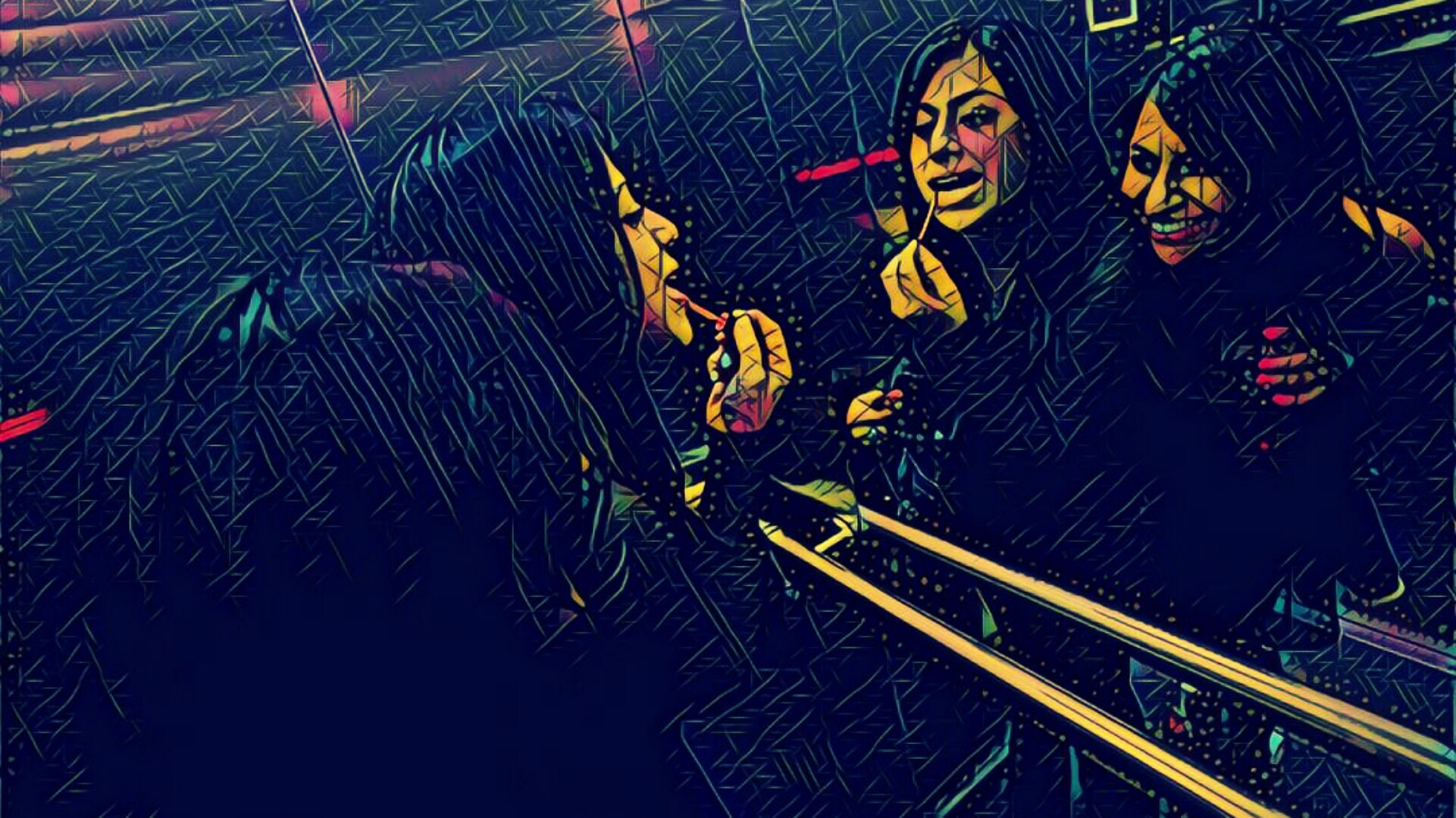
Lipstick is politically charged and there’s going to be judgement around it.
Today, I have a friend who claims on Facebook that she’s found the perfect shade. I comment, “That looks fantastic, what is it?” Another comment shows up: “I have the same! Love it.” I have had many conversations with my closest friends about the entire repertoire of MAC’s retro matte collection, I have exchanged notes on the cheaper substitutes. I’ve been asked while waiting for my turn at the pub loo by women I didn’t know — “Hey what shade is that? It looks great.” And in these ‘stray’ friendships that it becomes increasingly clear how lipstick — the age-old symbol of femininity (as appropriated by patriarchy) — has shed a lot of that oppression, it’s one more way in which I feel closer to the sisterhood. All the shades of lipstick have within them symbolic meaning which measures our anxieties about beauty, especially how beauty comes to be defined as through popular culture. This isn’t to say that makeup is an equaliser, beauty routine/beauty as a concept is capitalist. Women of colour find it harder to find skincare and makeup in cheaper ranges. The industry exists to tell women that they are not good enough, thin enough, fair enough, dark enough — they are not enough. But, industry aside, purely from a perspective of culture and ritual, makeup can also be a form of self expression and creativity. It can be a ritual of comfort, of that private and, at the same time, public conversation you can have with your own body. Yet, there’s that familiar strain of thought that asks: “Are you less of a feminist if you care about how you look?” It’s not an easy answer, because the beauty industry is problematic, but the most problematic aspect of the industry is the policing of women’s bodies and choices. And to especially assign meanings to the application of makeup. “Oh, she spends so much time on make-up, wonder if she cares about work?” “She applies too much make-up to be intelligent.” “Why doesn’t she wear a little bit of lipstick, it will make her look better.” “Look at that colour! She looks like a slut.” “Look at that colour! She looks like a sad cat lady.” Choosing to put on the brightest shade of red or sticking with salves or nothing at all — all these choices shouldn’t really define any personhood. The beauty industrial complex was built on women’s insecurities rising from how men viewed them. So to answer the question of the lipstick, the simple truth is that the simple reason that you’re a woman puts you at a disadvantage from men (with or without lipstick). Most of us live with the awareness of that unpleasant reality. And in the revolution, everyone is welcome — with or without lipstick.

 "US ready to ‘impose costs’ on Russia if war in Ukraine drags on, says Hegseth")
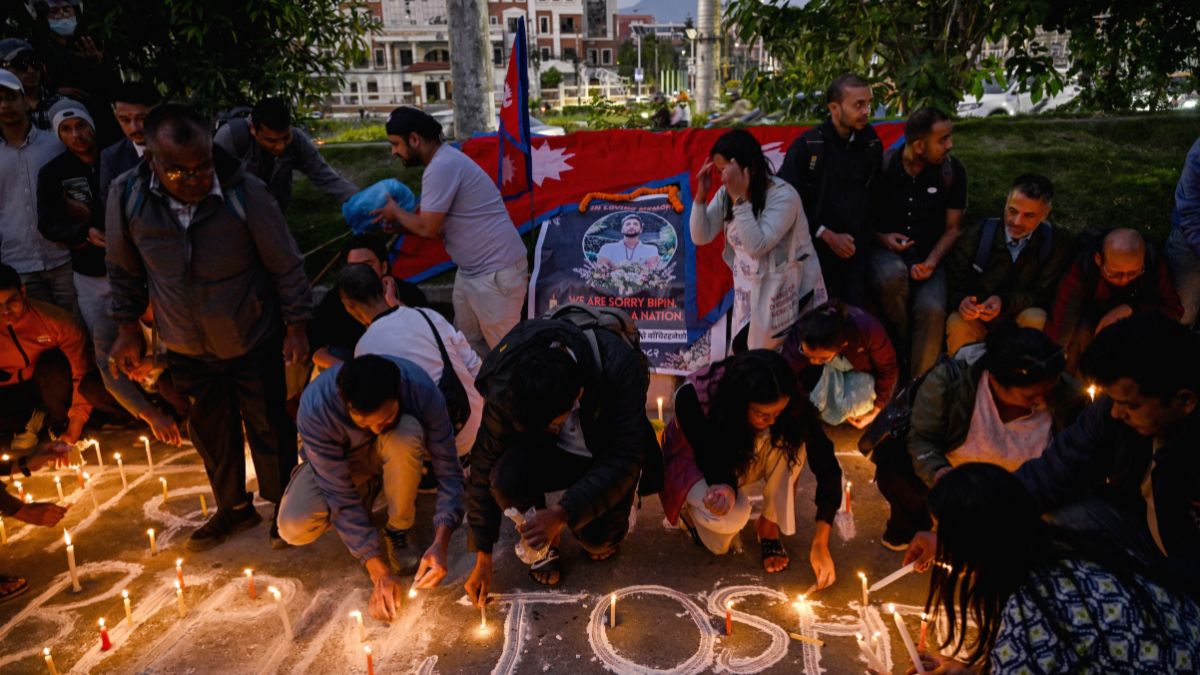 "US tells Hamas to stop violence against Gaza civilians and disarm 'without delay'")
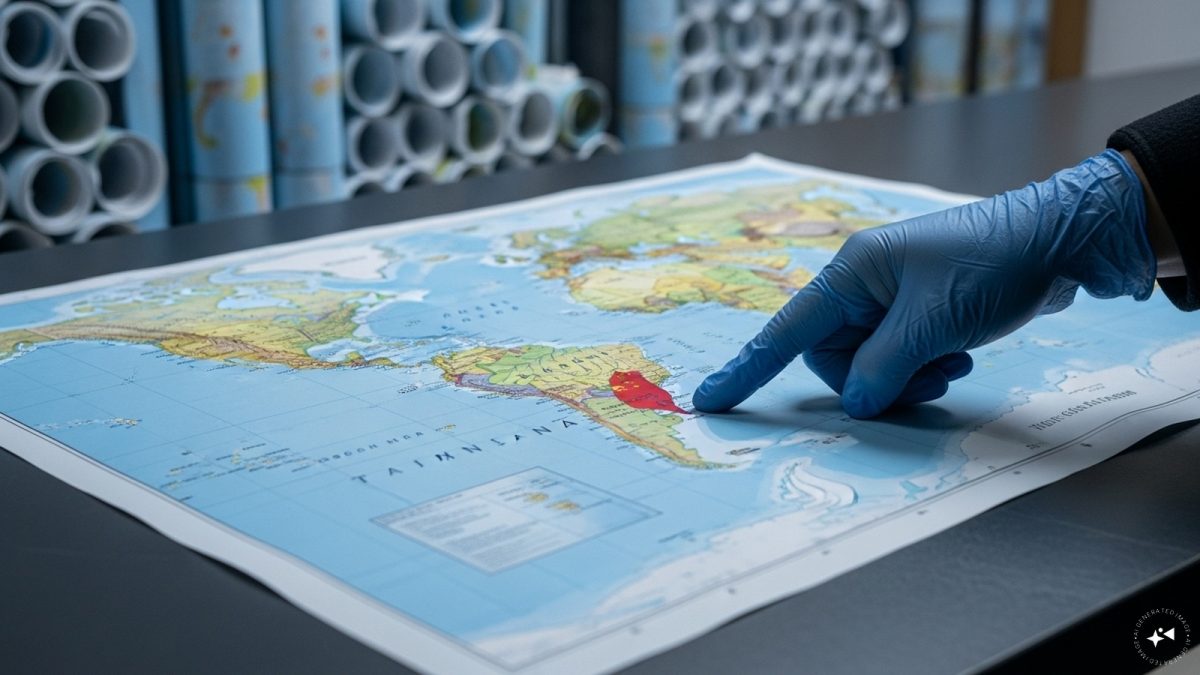 "China seizes 60,000 maps mislabelling Taiwan, omitting South China Sea islands")
 "Syria’s Sharaa pledges to honor Russia ties, seeks economic and military support in Kremlin visit")
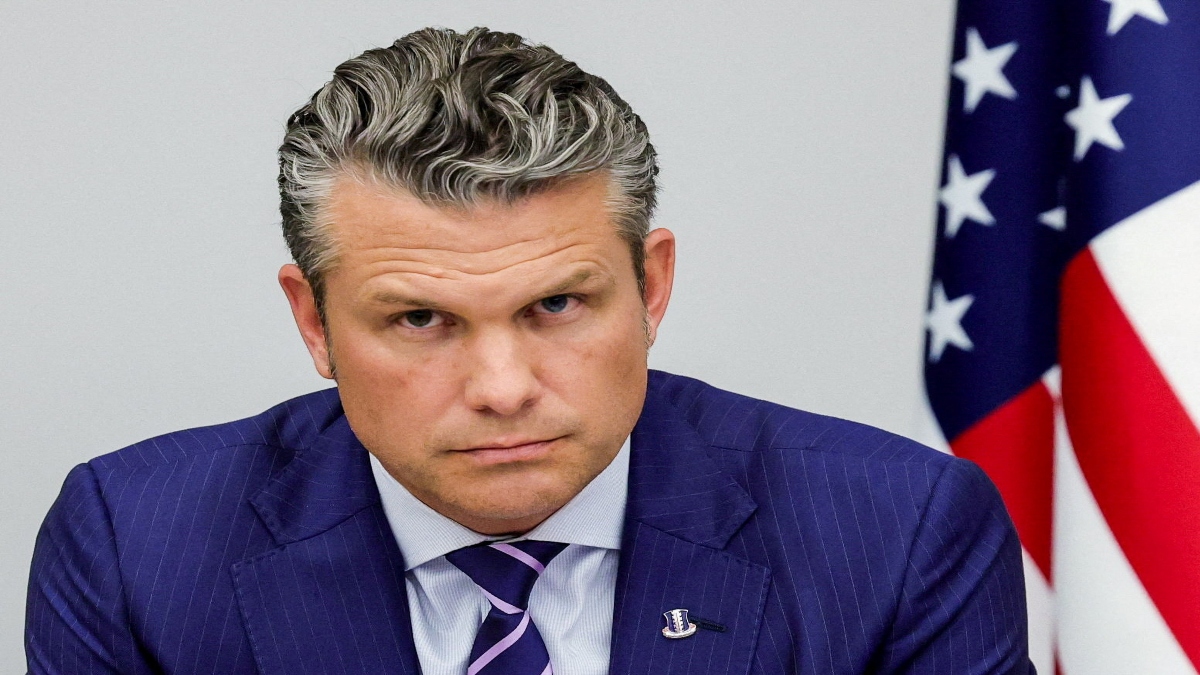 "US ready to ‘impose costs’ on Russia if war in Ukraine drags on, says Hegseth")
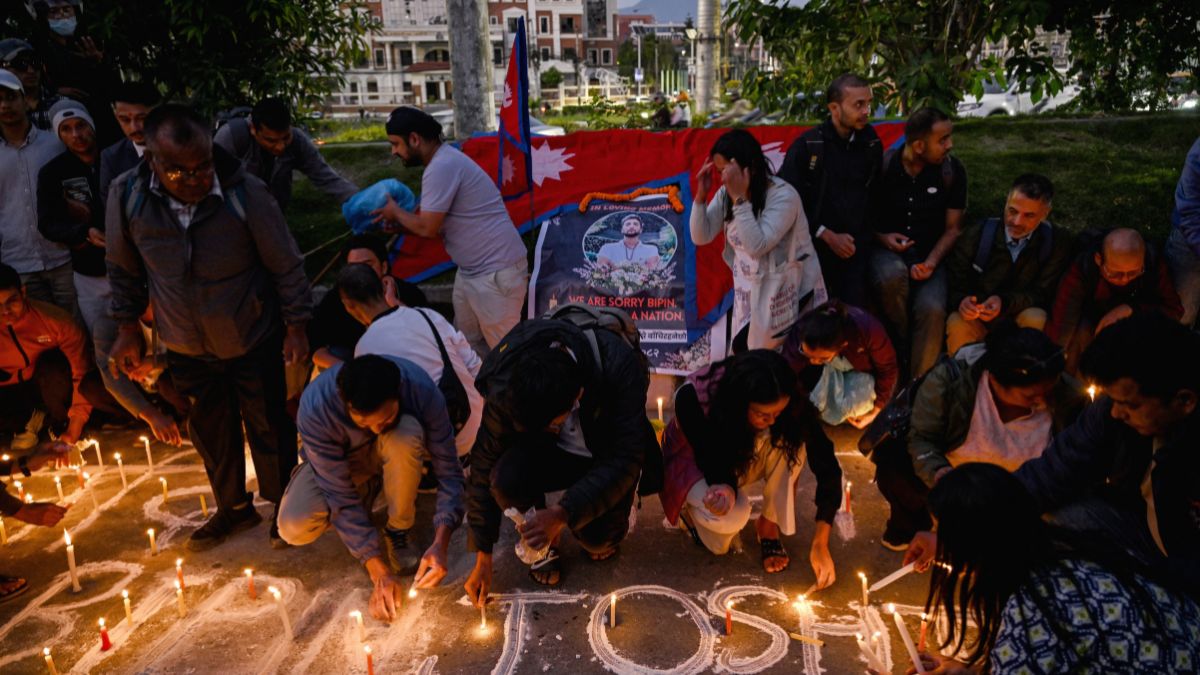 "US tells Hamas to stop violence against Gaza civilians and disarm 'without delay'")
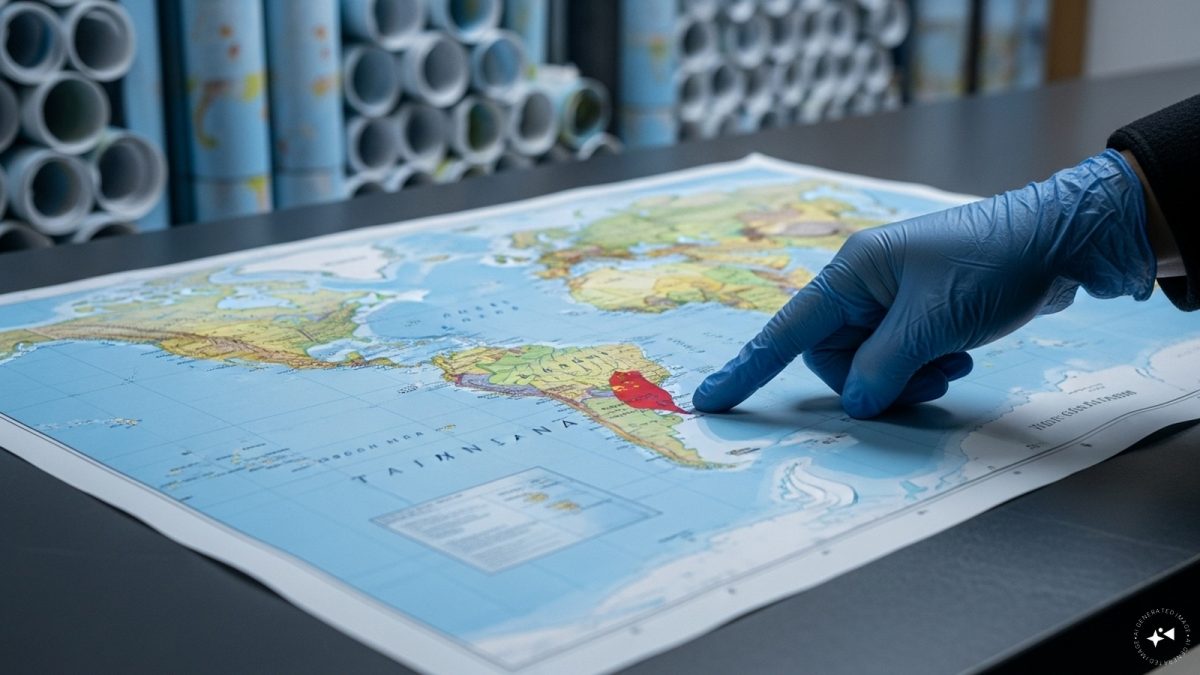 "China seizes 60,000 maps mislabelling Taiwan, omitting South China Sea islands")
 "Syria’s Sharaa pledges to honor Russia ties, seeks economic and military support in Kremlin visit")



