

 "Modi has 7 women in cabinet, but what about women's reservation bill?")
The Narendra Modi cabinet of ministers has seven women. At seven out of 24 cabinet ministers, that is nearly one in every four cabinet members, certainly a much better record than the UPA cabinet that had only two women in a 28-member cabinet. Also heartening is the fact that one of the top ministries, the Ministry of External Affairs, has been given to veteran BJP leader Sushma Swaraj, making her the first woman to hold the position in decades. The last woman to have held this important post was India’s very own Iron lady Indira Gandhi, when she controlled this portfolio during her Prime Ministership from 1980 to 1984. Modi’s cabinet also has the youngest woman minister. At 38, Smriti Irani has been given charge of the Human Resource Development ministry. Of course, the number seven may not look very high in absolute numbers and is a far cry from the 50 percent demand made by
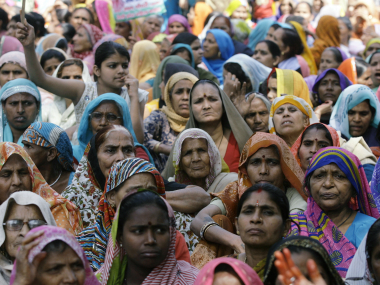
this petition on Change.org. Still, it is a start. However in some ways at least, the second demand of the petition that that “women should be allocated portfolios with no gender stereotyping,” has been granted. Modi hasn’t denied MEA to Sushma, despite the fact that there have been rumours of differences between the two. And Irani getting HRD also sends out a strong message that he wasn’t overlooking women just because of lack of experience. [caption id=“attachment_1537285” align=“alignleft” width=“380”] Representational Image. Reuters[/caption] While representation of women in the cabinet is fine, Modi’s new government will face intense scrutiny on how it handles the issue women’s rights. As
Kalpana Sharma notes in this piece in The Hindu, ‘women’s empowerment’ is a much-used term that “slips off the tongues of politicians of all hues with ease.” She notes that women need more than just the label of ‘safety.’ She points out that probably the test for the Modi government in this area will be around “the passing of the Women’s Reservation Bill.” The bill currently needs approval from the Lok Sabha, she reminds us, and notes that BJP with its “‘brute majority’ should have no problem passing the Bill.” However the question she asks is ‘will it?’ While the new Lok Sabha has 61 women MPs – the highest ever, it is just marginally more than the 59 women MPs in the previous Lok Sabha. The other danger that can’t be overlooked is the fear of right-wing fringe groups, the Ram Sene, Bajrang Dal, etc, who as Sharma notes are “the self-appointed defenders of ‘Indian’ culture… will feel no compulsion to hold back now that their ‘family’ members are in power.” As
we had noted in a piece earlier , the idea of Indian culture as espoused by these groups always refers to women who are submissive, and don’t question patriarchy. Nor would women’s rights activists have forgotten how Sri Ram Sene chief Pramod Muthalik, whose group led the Mangalore pub attack on women in 2009, was happily inducted into the BJP during the campaign season. It was only popular outrage over his welcome that caused the BJP to later cancel his membership in a couple of hours. But that brief welcome was enough to raise questions about whether there was any real change in BJP’s dealings with these groups at the grassroots level. As Sharma notes these groups are the ones who pose a “real threat to the rights of all women, irrespective of class, caste or creed.” Which is why women’s rights activists will probably be keep a close eye on how Modi deals with them, despite talks of ‘safety’ and ’empowerment.’
Women’s rights activists will probably be keep a close eye on how Modi deals with them, despite talks of ‘safety’ and ’empowerment.’
Advertisement
End of Article

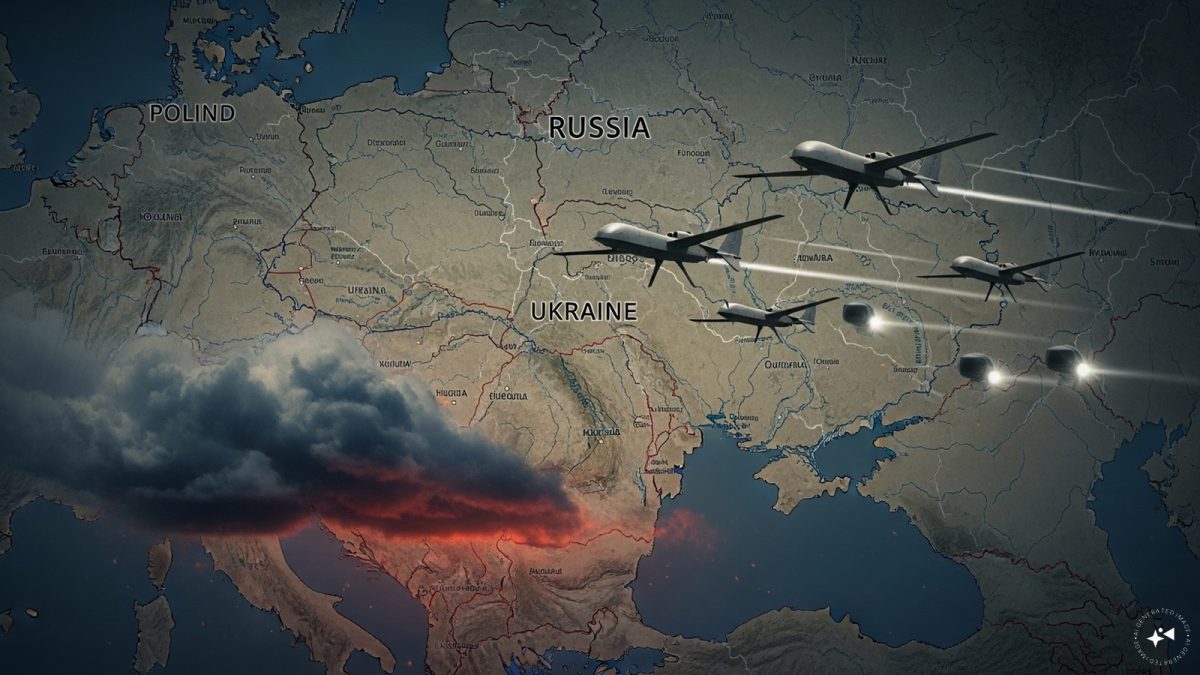 "Russian drones over Poland: Trump’s tepid reaction a wake-up call for Nato?")
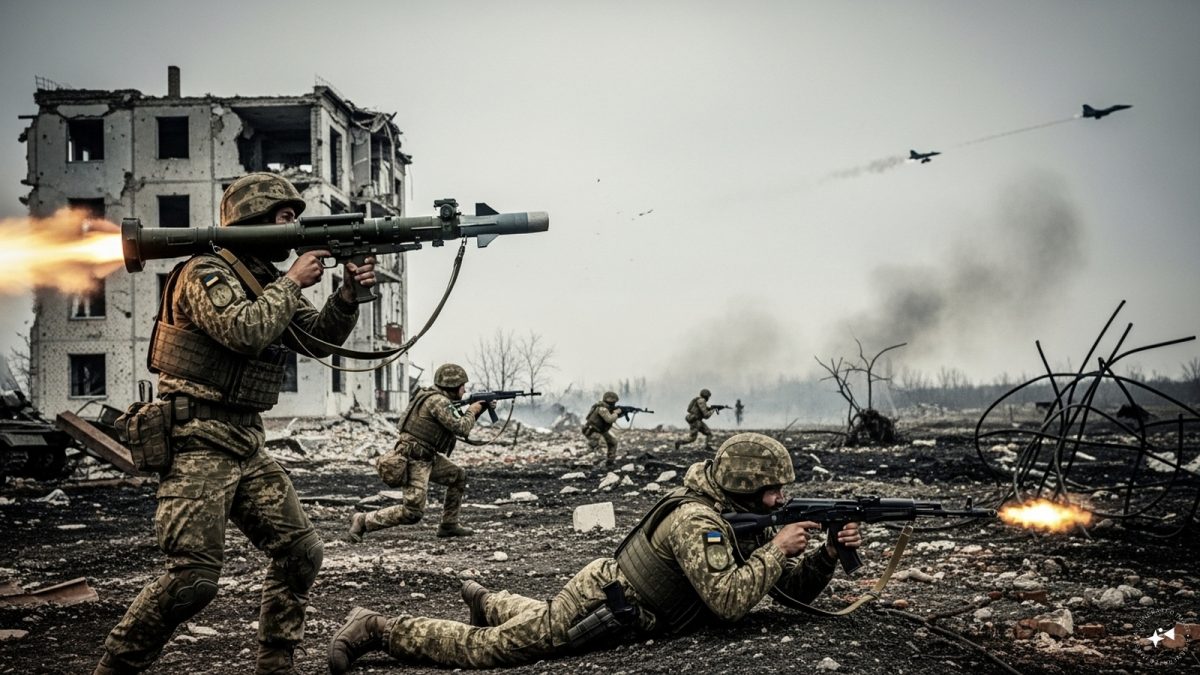 "As Russia pushes east, Ukraine faces mounting pressure to defend its heartland")
 "Why Mossad was not on board with Israel’s strike on Hamas in Qatar")
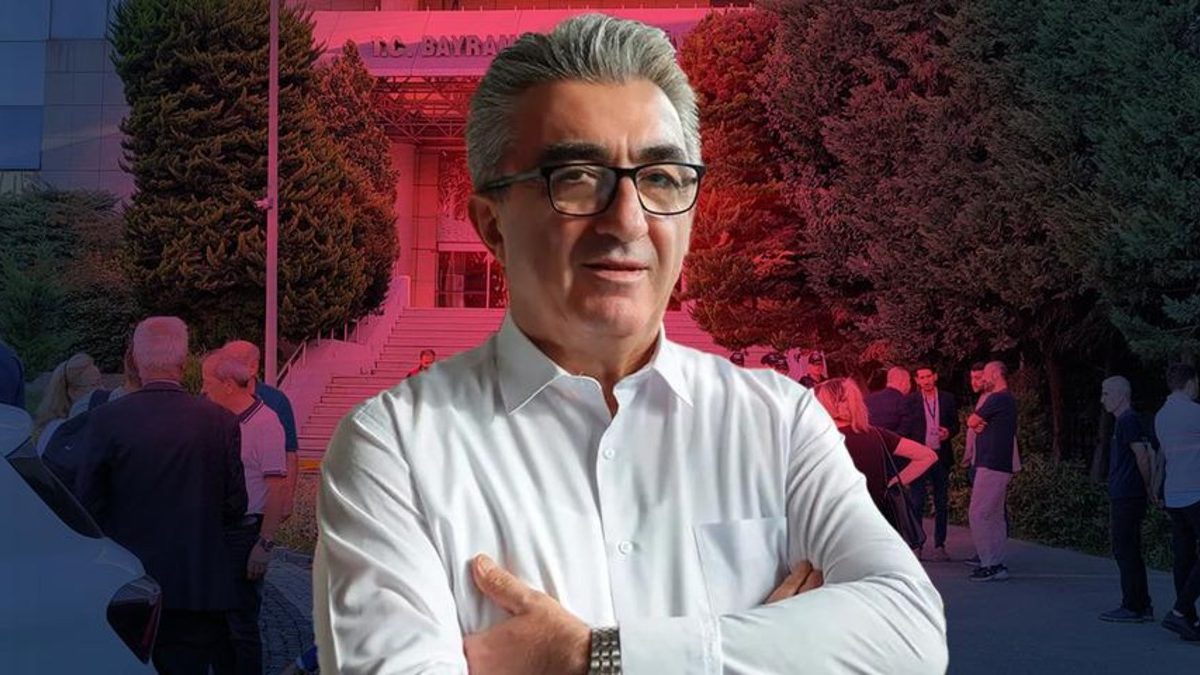 "Turkey: Erdogan's police arrest opposition mayor Hasan Mutlu, dozens officials in corruption probe")
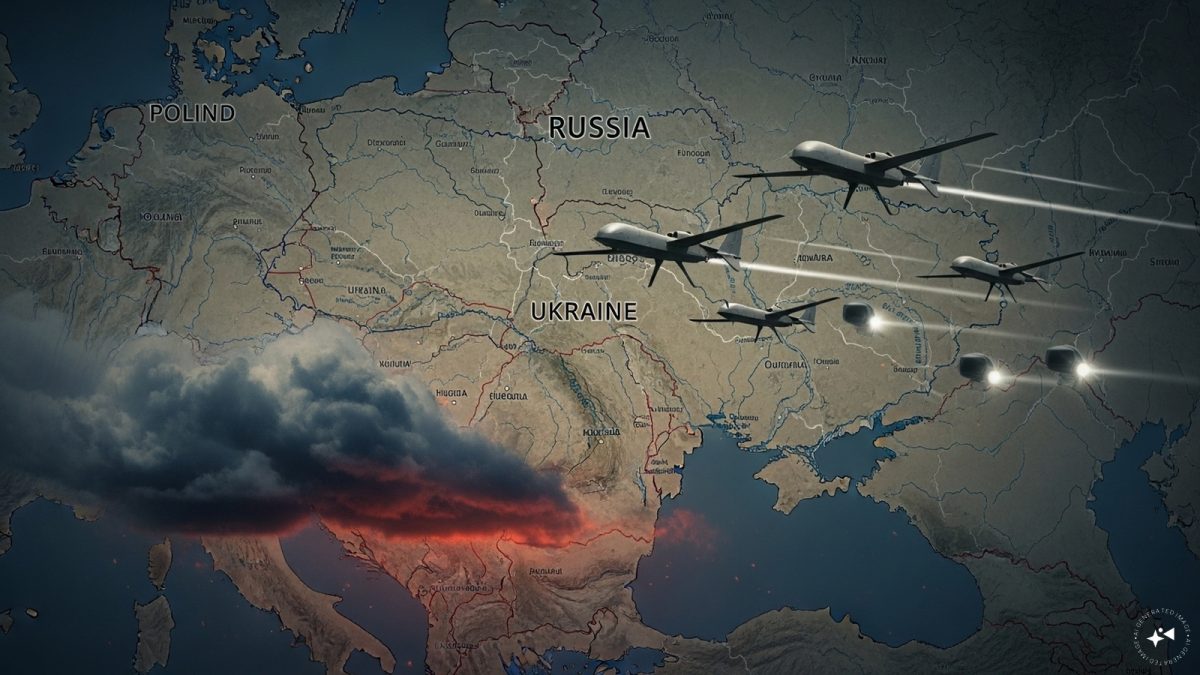 "Russian drones over Poland: Trump’s tepid reaction a wake-up call for Nato?")
 "As Russia pushes east, Ukraine faces mounting pressure to defend its heartland")
 "Why Mossad was not on board with Israel’s strike on Hamas in Qatar")
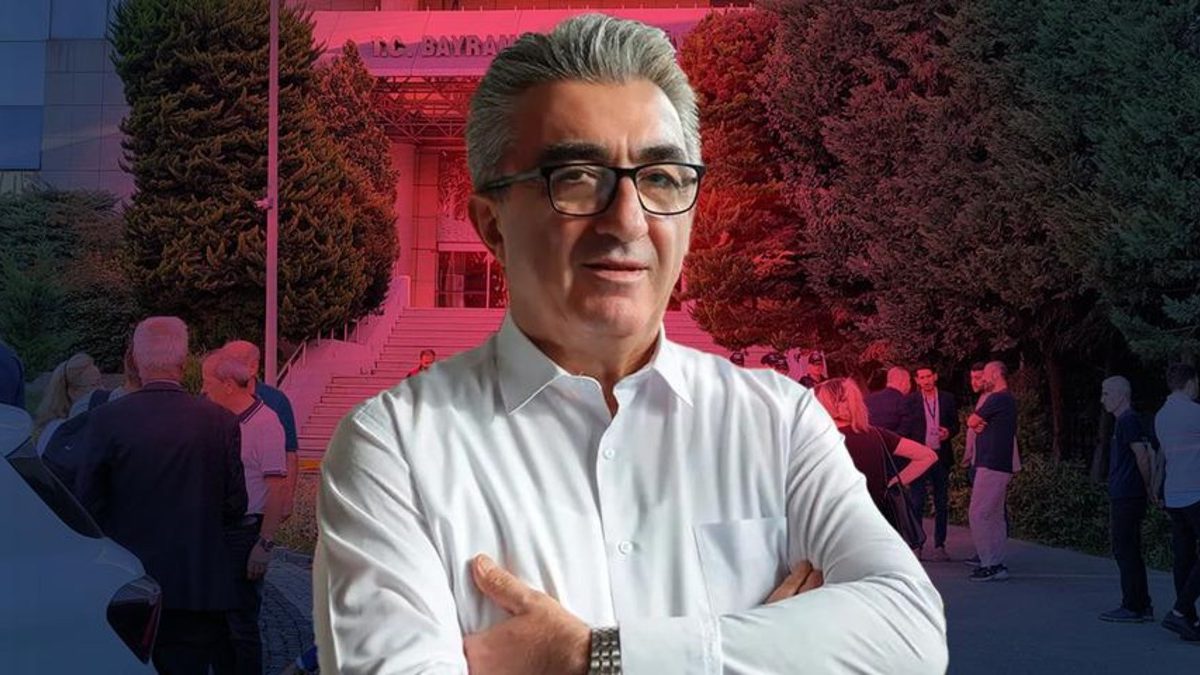 "Turkey: Erdogan's police arrest opposition mayor Hasan Mutlu, dozens officials in corruption probe")



