

 "Brazil has lost 80 percent of coral reefs in 50 years")
Sao Paulo: The coral reefs of northeastern Brazil have been reduced in size by some 80 percent over the past 50 years due to abusive extraction and pollution from urban and industrial sources, a new report says. Researchers working on the study, which was prepared by the Federal University of Pernambuco and the environment ministry, started gathering data in 2002 and finished their work last year under Beatrice Padovani, a professor. The report, which will be presented at an environmental conference Monday, found the presence of coral along about 2,000 km of coast in northeastern Brazil, the Globo Web site reported, citing excerpts from the study. Extractive activities, pollution, excessive fishing and rising water temperatures led to an 80 percent decline in coral reefs, the report said. “Until the 1980s, there was much extraction to make lime in the country,” Padovani said, adding that pollution and sediment also harmed the coral reefs. [caption id=“attachment_467306” align=“alignleft” width=“380”] 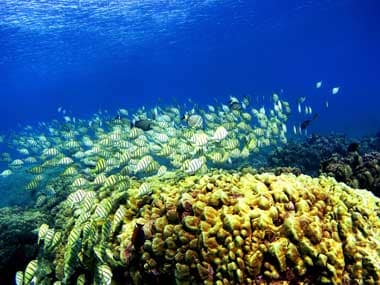 Getty Images.[/caption] The researchers also noted that rising ocean temperatures due to climate change and more frequent weather phenomena, such as the “El Nino” effect, had affected reefs. “In 2012, it is likely that there will be a new ‘El Nino’. The reefs that will suffer most are the ones in the worst environmental condition,” Padovani said.Brazil has lost 80 percent of coral reefs in 50 years (09:50) Sao Paulo, Sep 25 (IANS/EFE) The coral reefs of northeastern Brazil have been reduced in size by some 80 percent over the past 50 years due to abusive extraction and pollution from urban and industrial sources, a new report says. Researchers working on the study, which was prepared by the Federal University of Pernambuco and the environment ministry, started gathering data in 2002 and finished their work last year under Beatrice Padovani, a professor. The report, which will be presented at an environmental conference Monday, found the presence of coral along about 2,000 km of coast in northeastern Brazil, the Globo Web site reported, citing excerpts from the study. Extractive activities, pollution, excessive fishing and rising water temperatures led to an 80 percent decline in coral reefs, the report said. “Until the 1980s, there was much extraction to make lime in the country,” Padovani said, adding that pollution and sediment also harmed the coral reefs. The researchers also noted that rising ocean temperatures due to climate change and more frequent weather phenomena, such as the “El Nino” effect, had affected reefs. “In 2012, it is likely that there will be a new ‘El Nino’. The reefs that will suffer most are the ones in the worst environmental condition,” Padovani said. IANS
The coral reefs of northeastern Brazil have been reduced in size by some 80 percent over the past 50 years due to abusive extraction and pollution from urban and industrial sources, a new report says.
Advertisement
End of Article
Written by FP Archives
see more

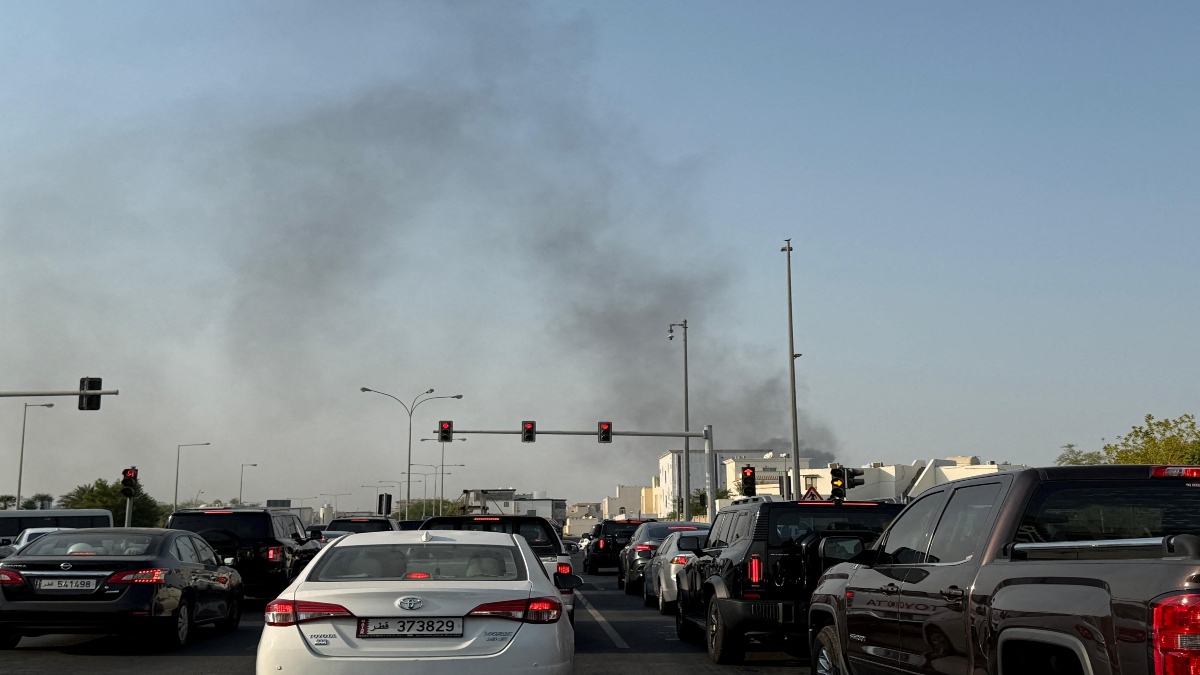 "Israel targets top Hamas leaders in Doha; Qatar, Iran condemn strike as violation of sovereignty")
 "Nepal: Oli to continue until new PM is sworn in, nation on edge as all branches of govt torched")
 "Who is CP Radhakrishnan, India's next vice-president?")
 "Israel informed US ahead of strikes on Hamas leaders in Doha, says White House")
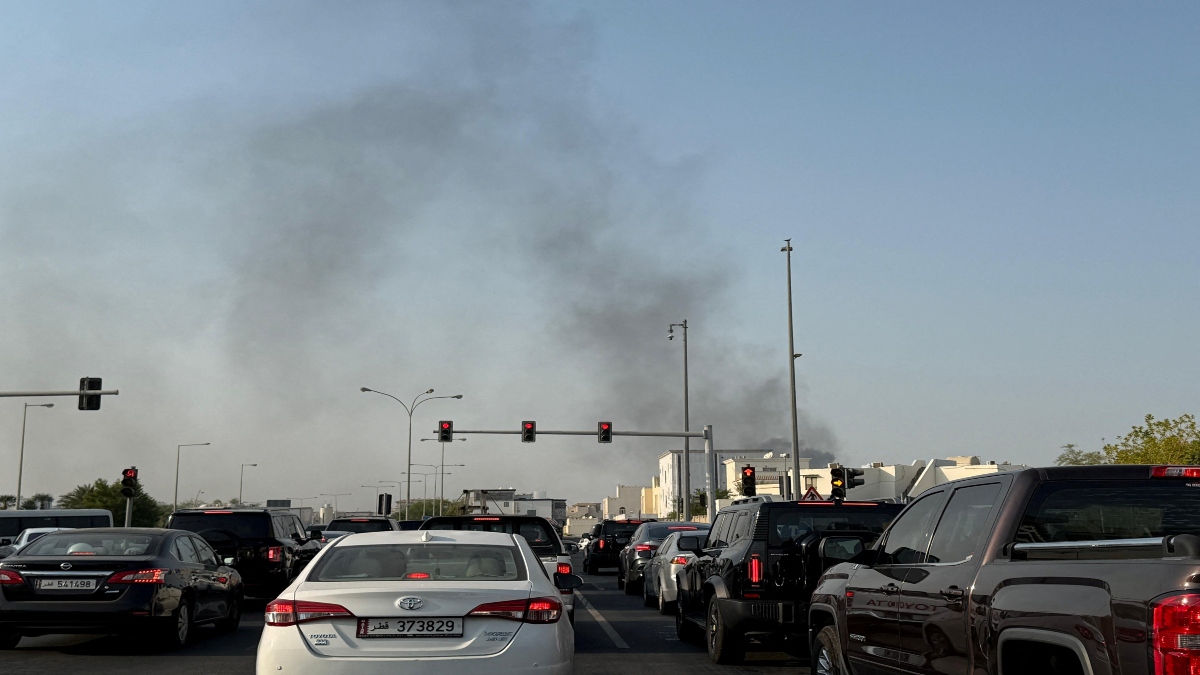 "Israel targets top Hamas leaders in Doha; Qatar, Iran condemn strike as violation of sovereignty")
 "Nepal: Oli to continue until new PM is sworn in, nation on edge as all branches of govt torched")
 "Who is CP Radhakrishnan, India's next vice-president?")
 "Israel informed US ahead of strikes on Hamas leaders in Doha, says White House")



](https://images.firstpost.com/wp-content/uploads/2012/09/CoralReefs_GettyImages-.jpg)