

 "Why many PSU banks are an investor trap")
If you think public sector (PSU) banks, with their current low valuations, are an attractive buy, here’s another thought: they are valued lower because they carry higher risks.
Brokerage firm CLSA has flagged off concerns about the real worth of PSU banks and says that their attractive share valuations may be a mirage. Reason: any loans turning bad for them will impact them more than similar non-performing assets (NPAs) with private banks due to their higher leverage.
In short, PSU banks are an investor trap.
[caption id=“attachment_349455” align=“alignleft” width=“380” caption=“Any loans turning bad for them will impact them more than similar non-performing assets with private banks due to their higher leverage. Reuters”]  [/caption]
According to the brokerage firm, PSU banks have a higher exposure to risky sectors like power and could thus be more vulnerable. It estimates that if 10 percent of power loans turn bad, the book values of PSU banks would dip by 12 percent whereas for private banks the fall would be just 2 percent. The worst affected would be Union Bank, Punjab National Bank and several Tier II public sector banks.
Against this backdrop, weak PSU banks that are unable to raise additional capital - always a problem given the government’s huge fiscal deficit - will be merged with stronger banks, leading to share value erosion for both banks.
Impact Shorts
More ShortsEven though white papers have been produced to seek consolidation in the Indian banking system, it most cases the motivation behind mergers may not be an increase in operating efficiencies but prevention of financial distress in banks that can’t raise adequate capital.
While these forced mergers ensure the interests of depositors, shareholders of both bidder and target banks do not gain much. For example, in the case of two forced mergers, GTB with OBC and Bharat Overseas Bank with Indian Overseas Bank, the share prices of these two acquired banks have not shown any significant increase even after a substantial time gap from the merger.
CLSA says that PSU banks’ exposure to higher-risk sectors like power, textiles, infrastructure and aviation makes the risk of default on bad loans higher as compared to private banks whose core books are less sensitive to non-performing loans. The brokerage says that just to maintain profitability, banks have to grow by about 14 percent. But when asset quality is deteriorating, banks are bound to face reduced profitability which will eventually result in the merger of small banks with larger PSU banks.
Moreover, the gross non-performing loans of public sector banks other than SBI rose by 10.5 percent in the three months to March 2012 due to exposure to troubled assets in power distribution, aviation and agriculture, a Business Line article s aid earlier this year.
Citing the case of Kingfisher Airlines, CLSA points out that the airline has a total debt of Rs 7,500 crore of which 75 percentis from Indian banks. While most banks have classified loans to KFA as non-performing, it is still a standard asset for ICICI Bank as it had stronger collateral in terms of securities from the parent UB group.
But if assets turn bad at a faster pace, will public sector banks be able to raise enough capital? Giving the example of Central Bank of India, CLSA said that the bankhasa $1.1 billion market value and hopes to raise two-and-a-half times its valuation in capital over the next five years.Is that even possible? Probably not, given that the government of India is the largest shareholder in the bank!
“We believe this is highly unlikely and hence the bank may be forced to cut down dividend pay-out and even lower growth targets,” says CLSA. Also today the banking system has a lot of funds to lend but thereis a shortage of good quality borrowers, which makes the fund raising plans even more difficult.


 "Israel targets top Hamas leaders in Doha; Qatar, Iran condemn strike as violation of sovereignty")
 "Nepal: Oli to continue until new PM is sworn in, nation on edge as all branches of govt torched")
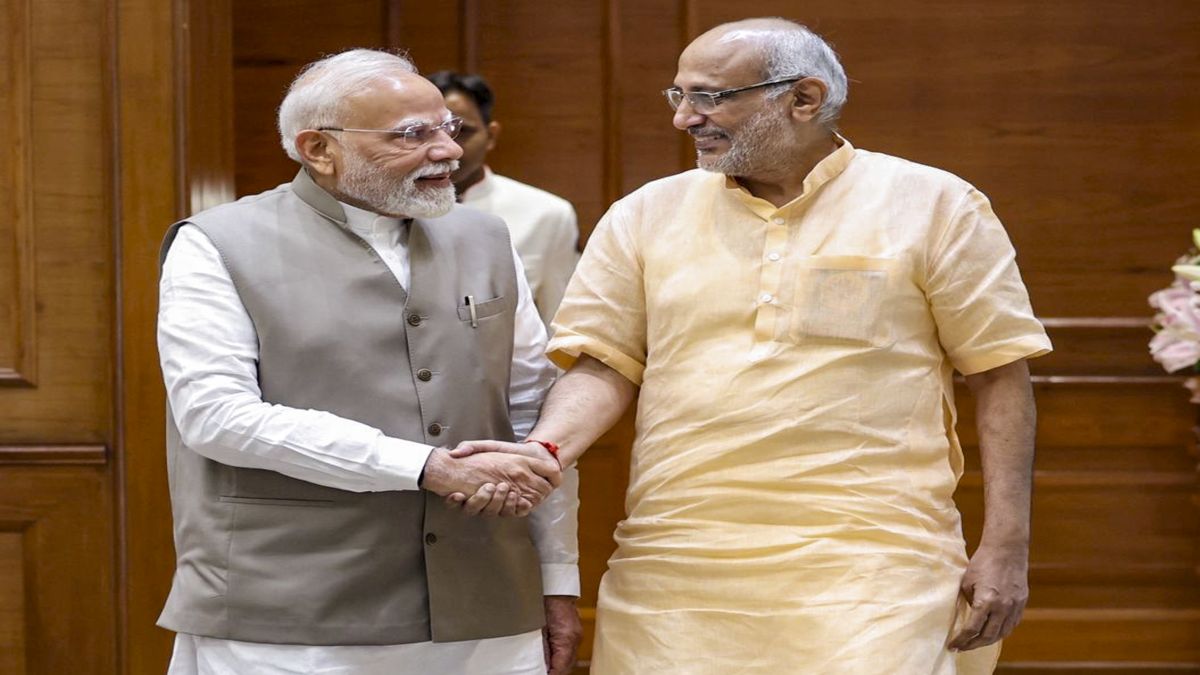 "Who is CP Radhakrishnan, India's next vice-president?")
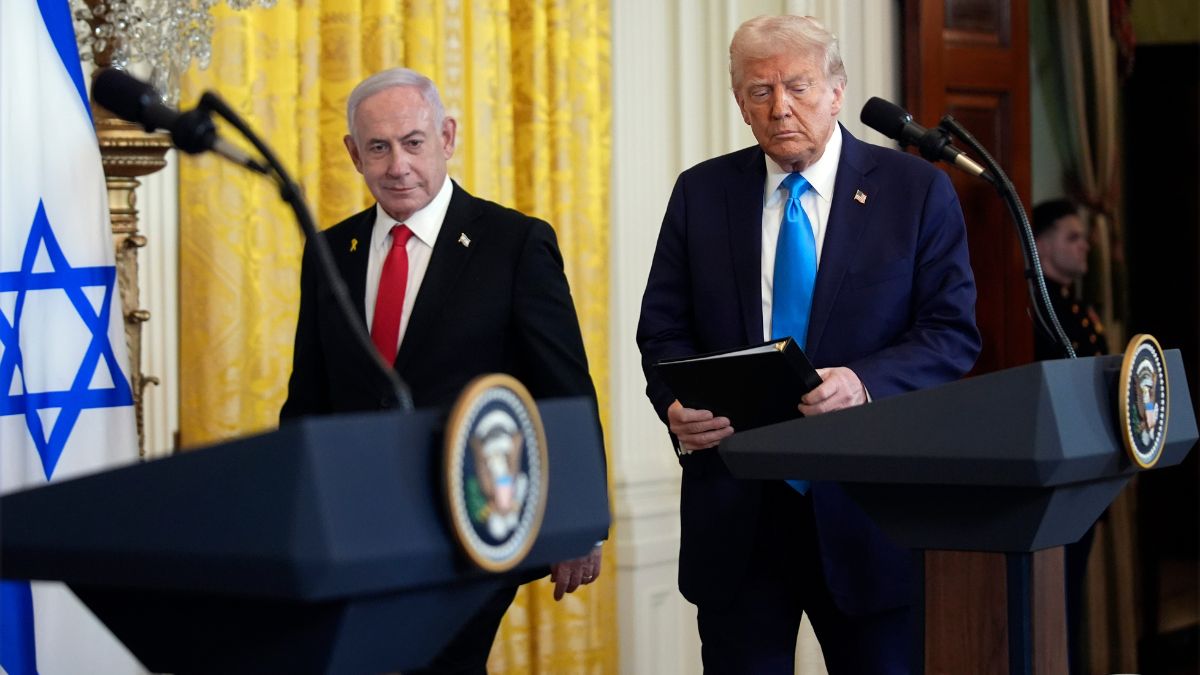 "Israel informed US ahead of strikes on Hamas leaders in Doha, says White House")
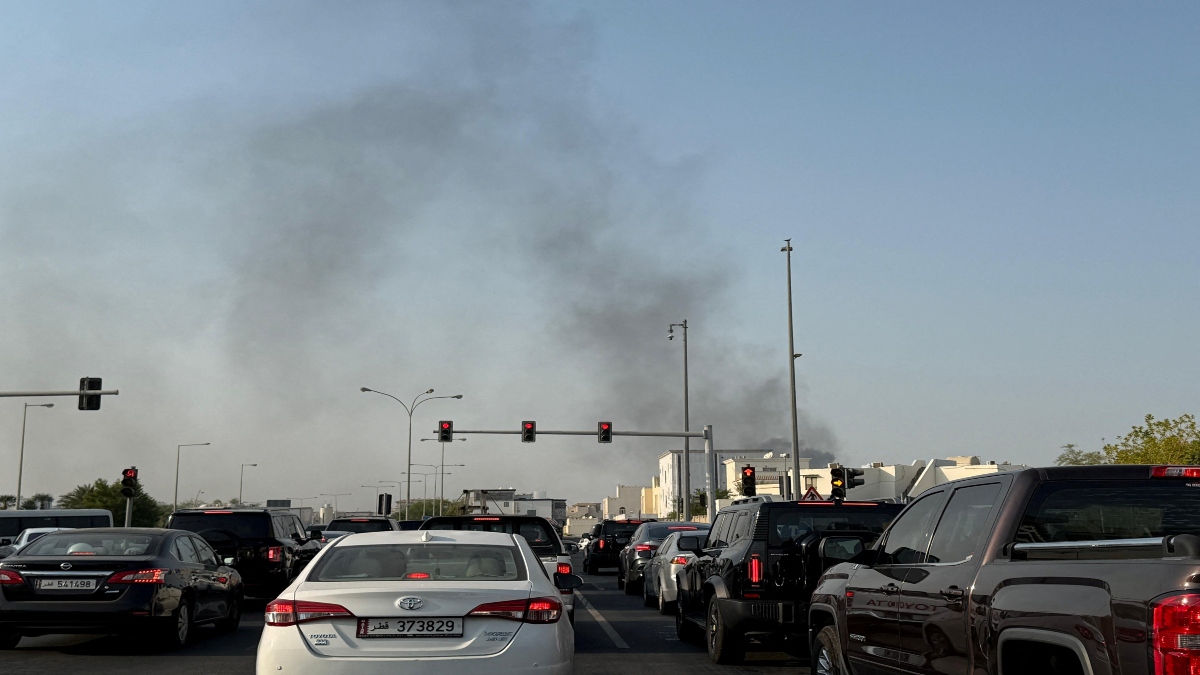 "Israel targets top Hamas leaders in Doha; Qatar, Iran condemn strike as violation of sovereignty")
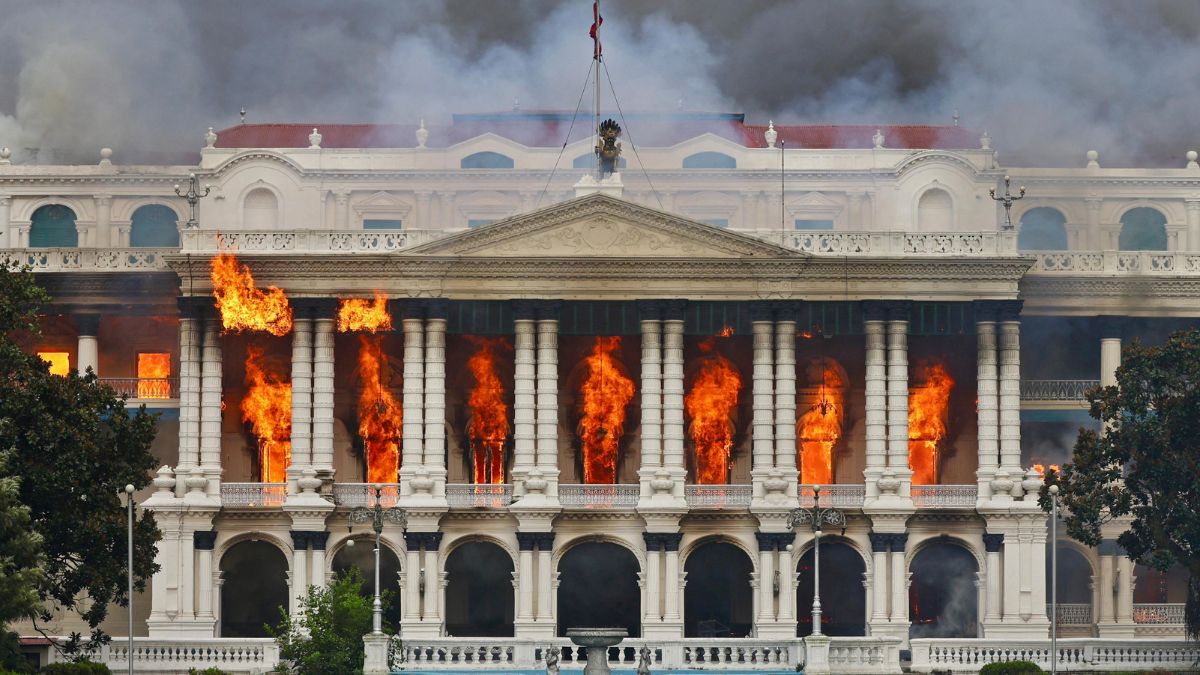 "Nepal: Oli to continue until new PM is sworn in, nation on edge as all branches of govt torched")
 "Who is CP Radhakrishnan, India's next vice-president?")
 "Israel informed US ahead of strikes on Hamas leaders in Doha, says White House")



](https://images.firstpost.com/wp-content/uploads/2012/06/bankcounter_reuters4.jpg)