

 "Oil min leaks: 5 yrs after Niira Radia controversy, corporate espionage still a grim reality")
New Delhi: The news of corporate espionage and stealing of classified documents from the Petroleum Ministry has made headlines after the arrest of 12 persons allegedly involved in the act, but insiders and people in the know say the practice is so common that it does not surprise them. The case of corporate lobbyist Niira Radia’s tapes exposed the politician-bureaucrat-corporate nexus involved. But despite the hullabaloo over it nothing much has changed. “The only difference is that this time the culprits have been caught. This kind of case is nothing new. Earlier too information got leaked from ministries and government departments. The persons who have been caught for stealing documents from the ministry’s office are just peons. The bigger question is how they got access to such confidential documents. There are conduits. The most important thing to be seen is whether any strict action is taken against the real players,” says leading lady detective Taralika Lahiri, head of National Detective & Corporate Consultants. Adds another private detective on condition of anonymity: “There is nothing new about corporates trying to influence government’s decisions. Niira Radia-tapes are a case in point. They try to get classified information by bribing government staff through touts. A ‘top secret’ document related to a forthcoming Budget is always highly priced. Top corporates become active before Budget announcement to get access to documents related to taxation, pricing or subsidy, so they are in advantageous position after the Budget.” In the recent episode, as of now the persons involved include a journalist, a consultant, senior officials from five corporate houses and multi-tasking staffers of Shastri Bhawan that houses the Ministry of Petroleum & Natural Gas. [caption id=“attachment_2112449” align=“alignleft” width=“380”]  Representational image. AFP[/caption] “The corporates never use their employees to procure such documents from ministries and departments directly. Lower-cadre staff of departments take out such ‘important’ documents and sell these to ‘consultants’, who act as intermediaries. These consultants then hand over the papers to companies for a price. Same happened in this case, where Santanu Saikia, who was a journalist with a prominent business daily once, bought documents by bribing lower-level government staff and sold it to a few companies at a much higher price,” a senior corporate journalist said on condition of anonymity. The ministries that are usually the target of such espionage are Finance, Petroleum & Natural Gas, Defence, Power, New & Renewable Energy, and Coal and Mines to name a few, that are housed in North Block, South Block, Shastri Bhawan and Shram Shakti Bhawan. “There are strong regulations in the ministries such as petroleum, power, coal, finance, etc and documents of these ministries are valuable due to the impact on the market. The corporates try to get inside information through conduits,” says a former economic investigation journalist-turned-entrepreneur. He adds, “Corporates try to get an access to classified information from those regulated sectors where issues like subsidy, pricing, tenders, procurement, etc are concerned like in ministries of petroleum, fertilizer, power, economic affairs, mines etc.” The Associated Chambers of Commerce and Industry of India (ASSOCHAM) in its 2011 report observes, “Over 35% of companies operating in various sectors across India are engaged in corporate espionage to gain advantage over their competitors and are even spying on their employees via social networking Web sites.” “During the process of preparation of the Budget, the Intelligence Bureau takes control of the Finance Ministry to ensure fool-proof security. But, on day-to-day basis such kind of surveillance is not done in ministries and departments. There are hundreds of offices and sometimes, such confidential papers are passed on to outsiders (interested parties) in such an understated manner, that no one is able to doubt. Since this case has come to light, it’s making big news,” a retired intelligence agency official remarked. The corporates and middlemen procure information and confidential documents to make gains in the stock market or redefine strategies to counter the government in arbitration. “Companies try to know whether a particular decision is going in its favour, which would have positive impact on market, and they take advantage of it. Information is also procured for arbitration purpose. Company tries to know the government’s approach in advance, so that it could re-device its strategy,” says HP Kumar, former CMD of National Small Industries Corporation, also a former banker. However, the government officials claim that incidences of espionage have come down due to transparency and electronic office system in place. Recently, Prime Minister Narendra Modi has directed to do away with paper, and instead use kindles for noting and documentation, so as not to leave paper trails and prevent information from leaking. “Unlike in the past, now, there is more transparency in government dealings due to e-tendering, e-auctioning, and information is put on official websites. These kinds of espionage and stealing of documents was more prevalent some 10-15 years back due to control regime,” claims a senior bureaucrat. However, many would differ, as the show is still on.
The case of corporate lobbyist Niira Radia’s tapes exposed the politician-bureaucrat-corporate nexus involved. But despite the hullabaloo over it nothing much has changed.
Advertisement
End of Article


 "Israel targets top Hamas leaders in Doha; Qatar, Iran condemn strike as violation of sovereignty")
 "Nepal: Oli to continue until new PM is sworn in, nation on edge as all branches of govt torched")
 "Who is CP Radhakrishnan, India's next vice-president?")
 "Israel informed US ahead of strikes on Hamas leaders in Doha, says White House")
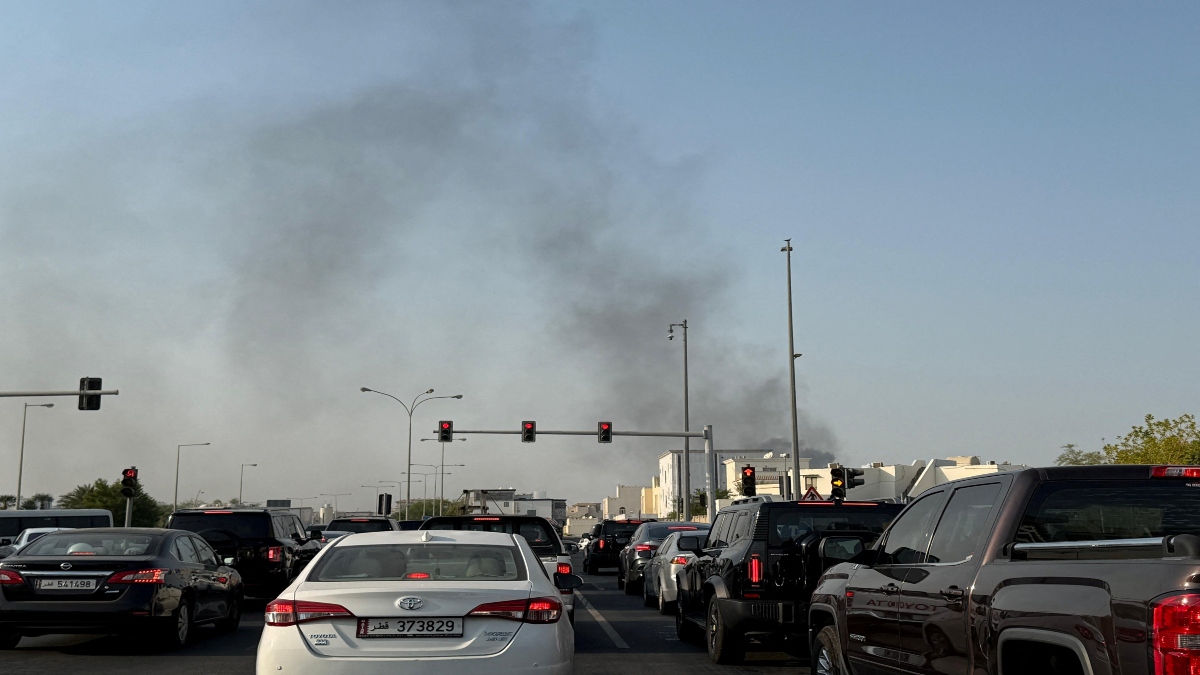 "Israel targets top Hamas leaders in Doha; Qatar, Iran condemn strike as violation of sovereignty")
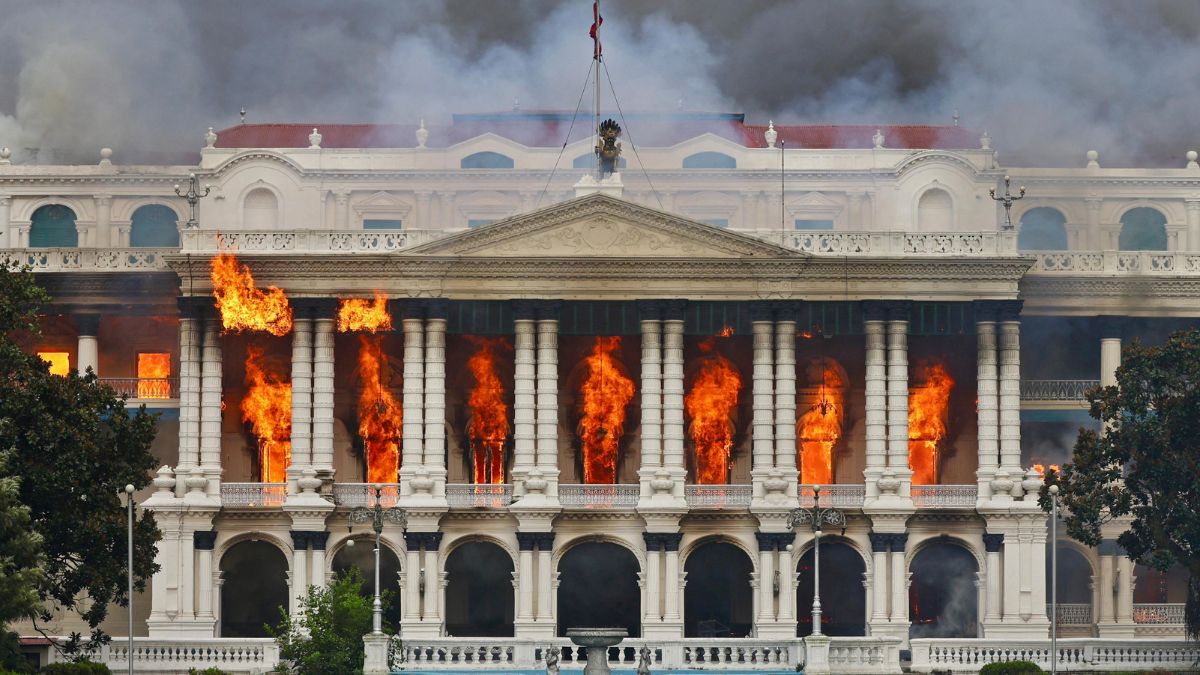 "Nepal: Oli to continue until new PM is sworn in, nation on edge as all branches of govt torched")
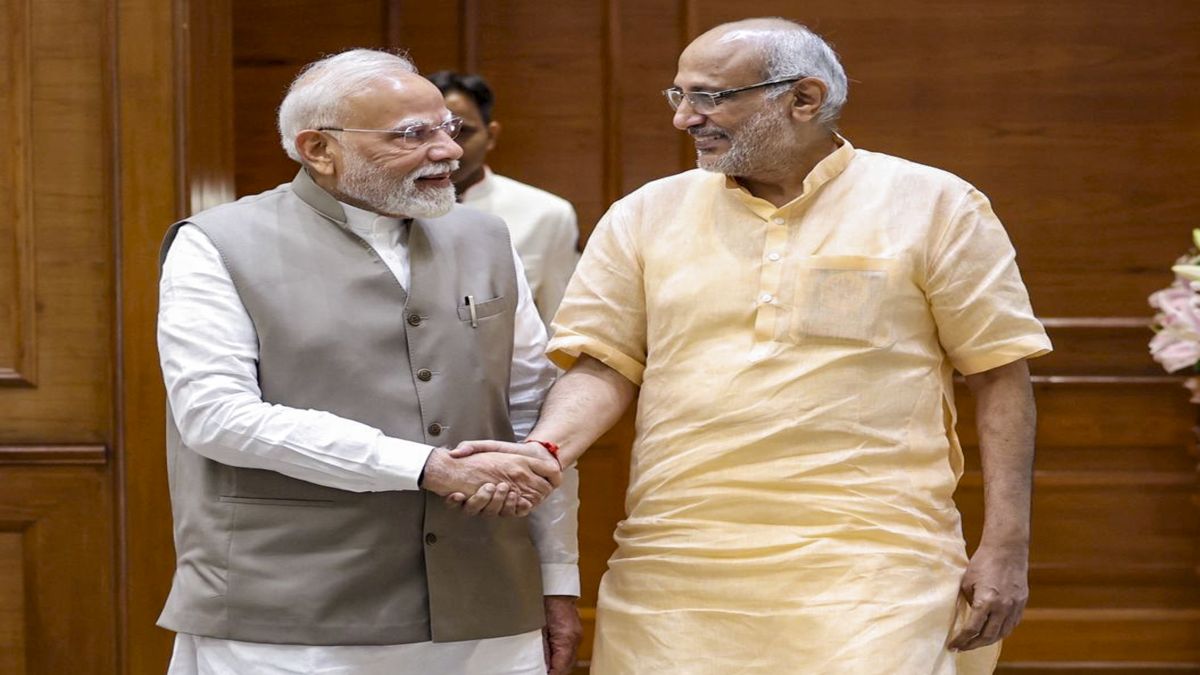 "Who is CP Radhakrishnan, India's next vice-president?")
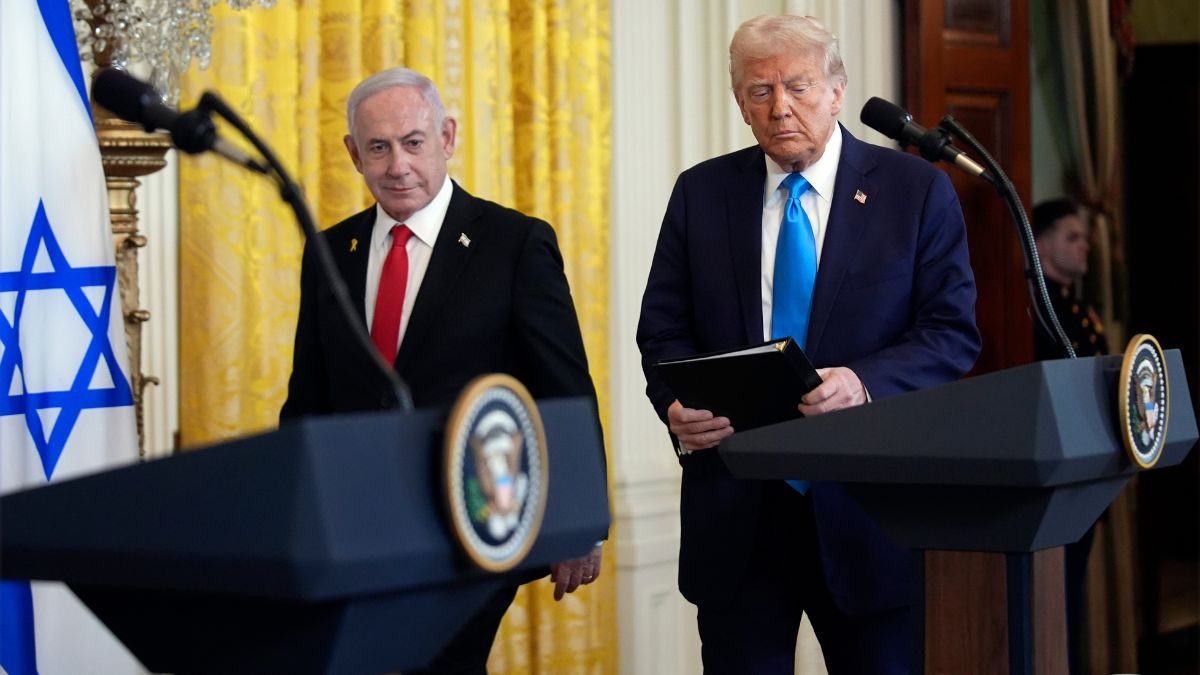 "Israel informed US ahead of strikes on Hamas leaders in Doha, says White House")



](https://images.firstpost.com/wp-content/uploads/2015/02/Police-Delhi-AFP1.jpg)