

 "Don't cheer SpiceJet's remarkable turnaround just yet; there are red flags in its growth story")
SpiceJet has seen a remarkable turnaround in its fortunes since Ajay Singh took charge of the airline for the second time in January this year. Since his arrival, the airline has posted profits in two successive quarters - which sure is a huge improvement over its state in December of 2014, when for a day it had to actually shut down operations for lack of cash to pay its oil bills. Now, SpiceJet is not only profitable for the last two quarters but has begun talking of of a mega aircraft order of 100 aircraft or more. This, when it has an existing order for 42 Boeing 737 aircraft, deliveries of which are some time away. It is also simultaneously talking of getting strategic investors to fund this ambitious expansion plan by eventually looking for equity partnerships. And for the short term, it has set its sights on beefing up its narrow body fleet with about 5 more aircraft for the winter schedule. So is SpiceJet actually witnessing a remarkable turnaround through historically high load factors and shrinking of operations to bring in more effeciencies? Or are there red flags still in its growth story? [caption id=“attachment_2370924” align=“alignleft” width=“380”] 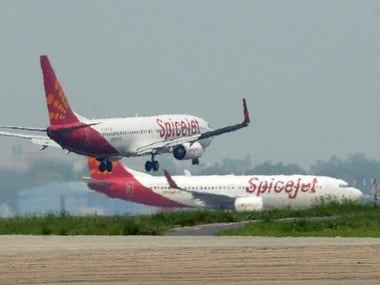 AFP[/caption] First of all, a note of caution for investors. There is significant uncertainty in SpiceJet’s ability to continue on a “going concern” basis due to several factors, the airline said in its own post-results statement. These factors include delays in payments to vendors and repayment of statutory dues by the airline over the last 12-18 months, continued pricing pressures due to competition and a weak rupee. SpiceJet has accumulated losses of Rs 313,895.4 lakh or Rs 3138.95 crore as of June 30 against shareholders funds (including advances towards subscription securities) of just Rs 119,611.4 lakh or Rs 1196.11 crore. “As on date, the company’s total liabilities exceed its total assets by Rs 114,284 lakh,” the statement said. Second, HSBC has reiterated its ‘Reduce’ rating at an unchanged target price of Rs 10 per share, implying 60 percent downside. According to Moneycontrol.com, the brokerage feels the airline’s earnings momentum is likely to weaken from here due to increased industry supply and a weak rupee. On a cautious note, HSBC feels the performance is unlikely to be sustainable. “Not only is the industry supply fast catching up but the rupee weakness and seasonally weak travel periods ahead suggest that the earnings is going to slow down," the HSBC note says. Thirdly, in a note ahead of the results, global aviation industry CAPA estimated that SpiceJet needs further “critical” investment of $200 million or close to Rs 1200 crore in this fiscal for turnaround “but not likely” in the near term. SpiceJet has held intermittent talks with prominent Gulf based airlines for a strategic investment but nothing has fructified till now. An airline official said yesterday the airline’s Q400 fleet could be of special interest to foreign airlines wanting a toehold in the Indian market since these aircraft can effectively connect tier II and remote areas with the metros. Another official pointed out that the airline is a network carrier and that works to its huge advantage during any stake sale negotiations. It is obvious that though SpiceJet’s immediate working capital needs have been addressed through much improved operational performance, the airline needs large doses of cash infusion. When Ajay Singh took over the reins earlier this year, he had said in a revival plan to the ministry of civil aviation that total funds infusion would be around Rs 1500 crore. Till now, only a little over half that amount has come in. Speaking yesterday, Singh clarified that further investments will be made in the growth and expansion of SpiceJet and perhaps at the time of fleet expansion. Fourth area of concern over SpiceJet could be the fleet mix. When it changed hands earlier this year, the airline was already defying the conventional LCC model by having a fleet of Boeing 737 and Bombardier Q400 aircraft. LCCs usually stick to a single aircraft type to save on maintenance costs. Then, it went ahead and got on wet lease two Airbus 319 aircraft to tide over capacity issues. So now, it in effect has a fleet comprising 18 Boeings, 14 Q400s and 2 Airbus 319 aircraft. Unless it rationalises fleet, LCC cost synergies may continue to elude the airline. Anyhow, the mega aircraft order that SpiceJet is now speaking of has not been placed - there are merely negotiations with Airbus and Boeing. One must remember that India’s largest airline by passengers and also the biggest LCC, IndiGo, already has a fleet of 96 operational aircraft, will begin taking deliveries of its 180 new aircraft order later this year and is in negotiations with Airbus for a further order of 250 aircraft. With analysts already warning of oversupply in the Indian aviation market, will SpiceJet be wise to place a large order unless it has set its sights firmly on international destinations?
SpiceJet has seen a remarkable turnaround in its fortunes since Ajay Singh took charge of the airline for the second time in January this year. Since his arrival, the airline has posted profits in two successive quarters - which sure is a huge improvement over its state in December of 2014, when for a day it had to actually shut down operations for lack of cash to pay its oil bills.
Advertisement
End of Article


 "Israel targets top Hamas leaders in Doha; Qatar, Iran condemn strike as violation of sovereignty")
 "Nepal: Oli to continue until new PM is sworn in, nation on edge as all branches of govt torched")
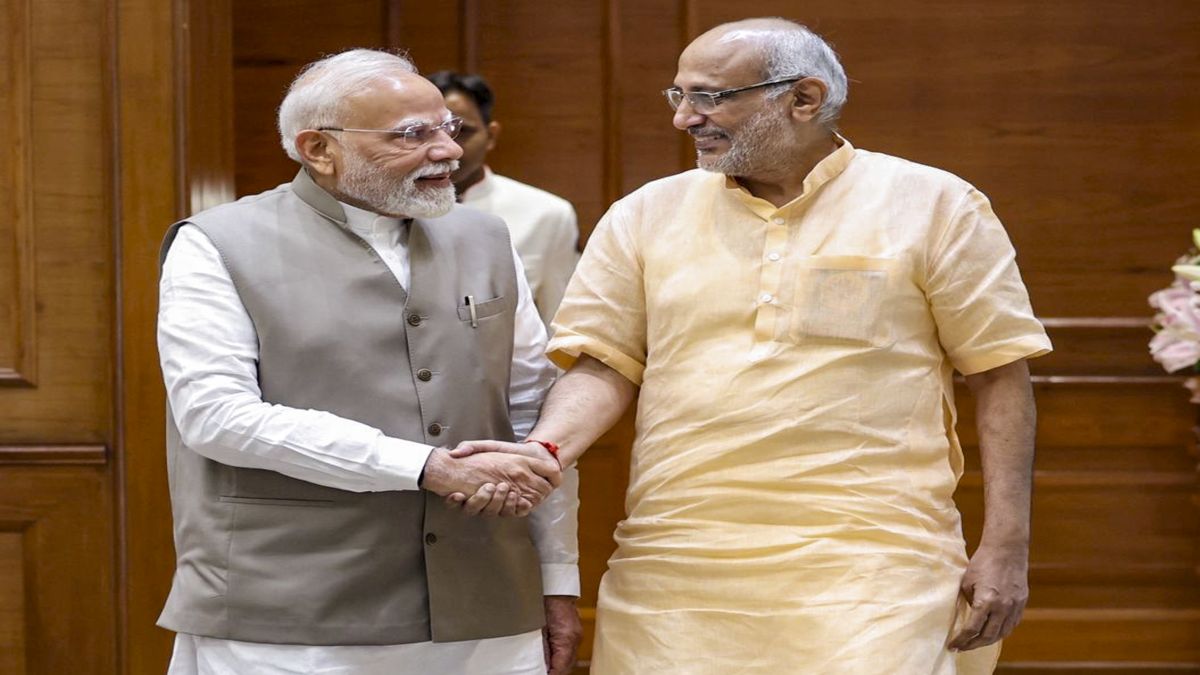 "Who is CP Radhakrishnan, India's next vice-president?")
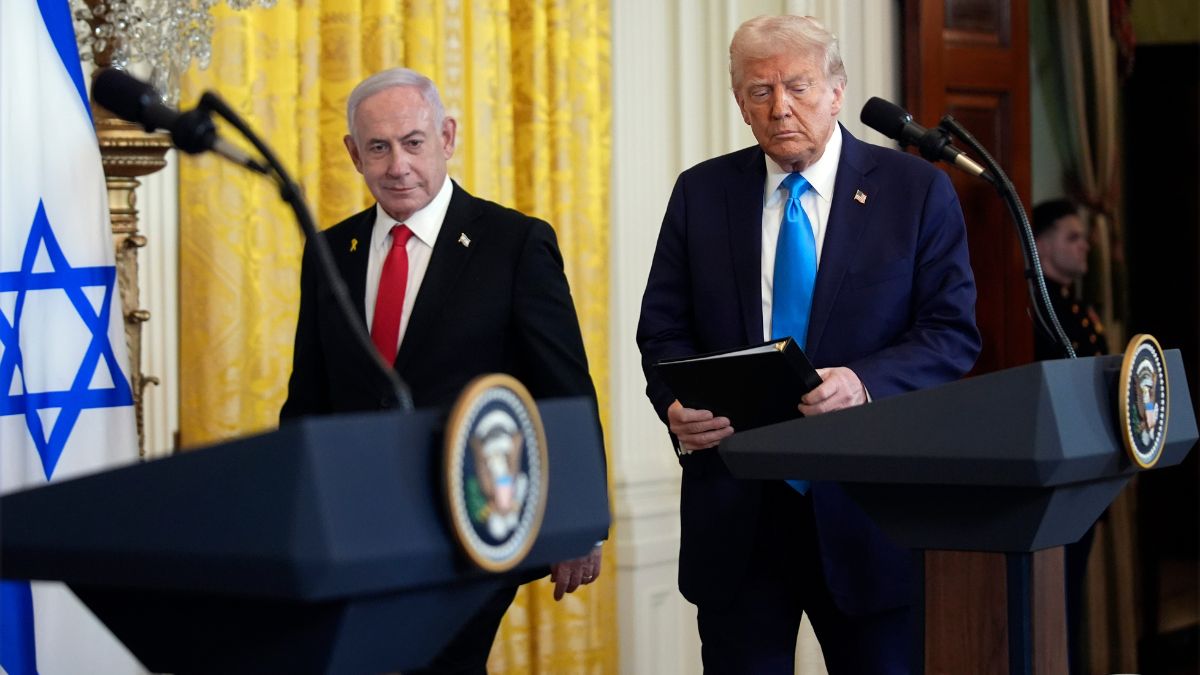 "Israel informed US ahead of strikes on Hamas leaders in Doha, says White House")
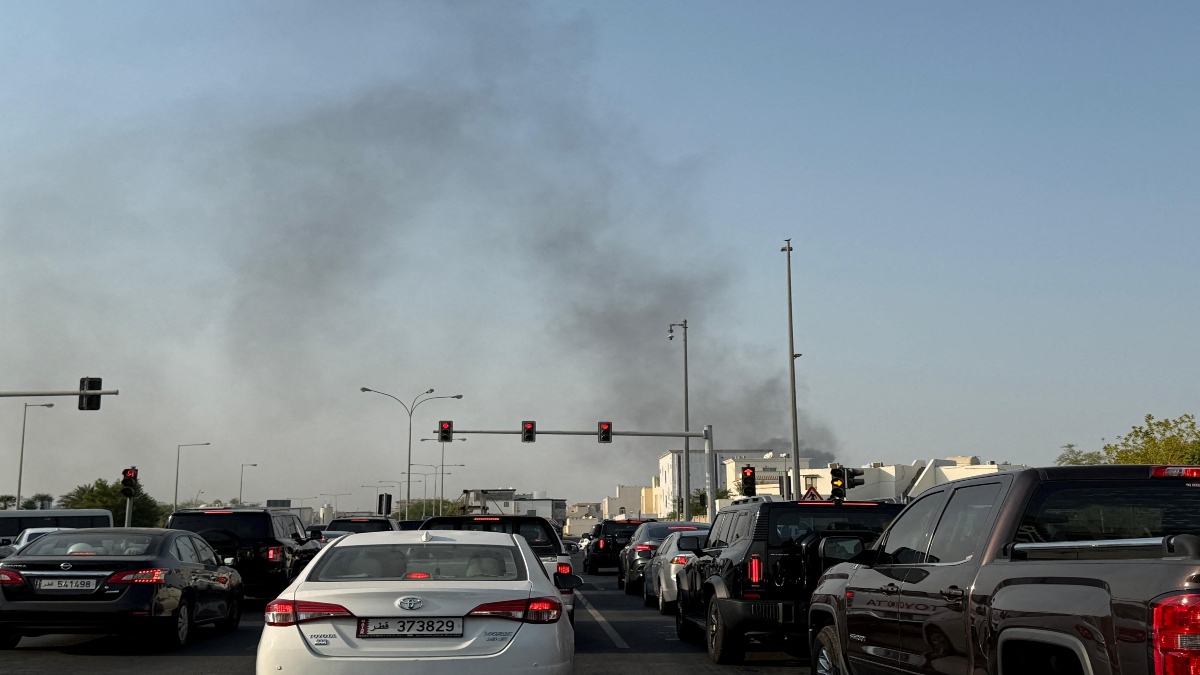
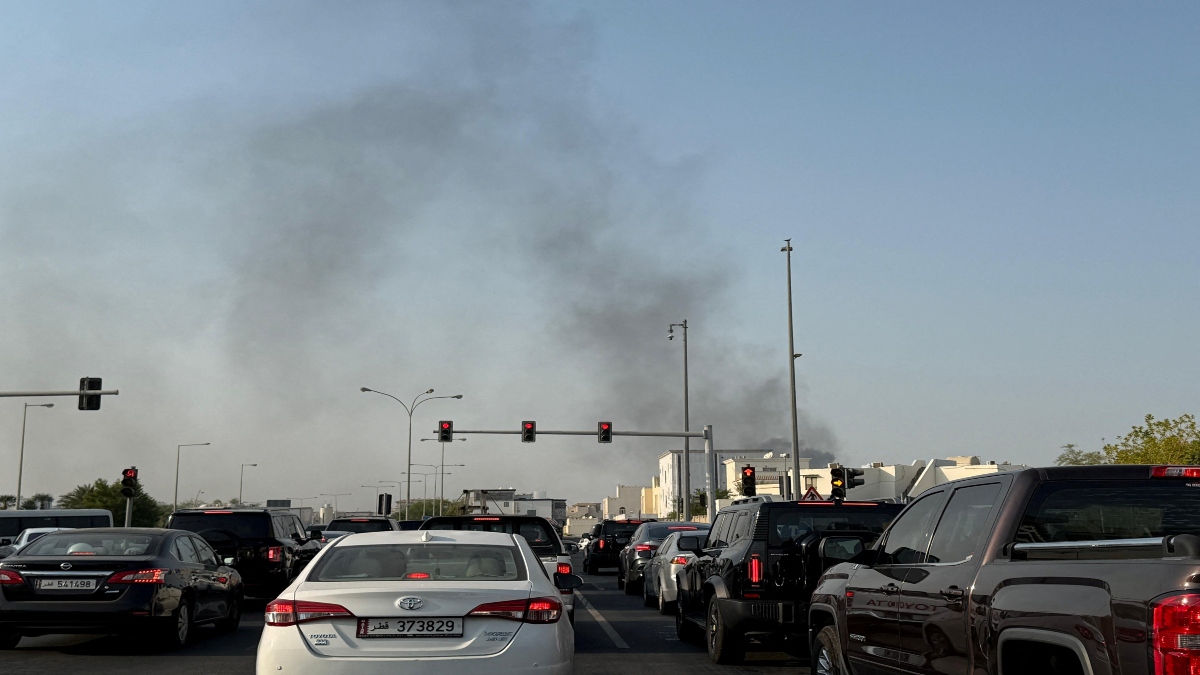 "Israel targets top Hamas leaders in Doha; Qatar, Iran condemn strike as violation of sovereignty")
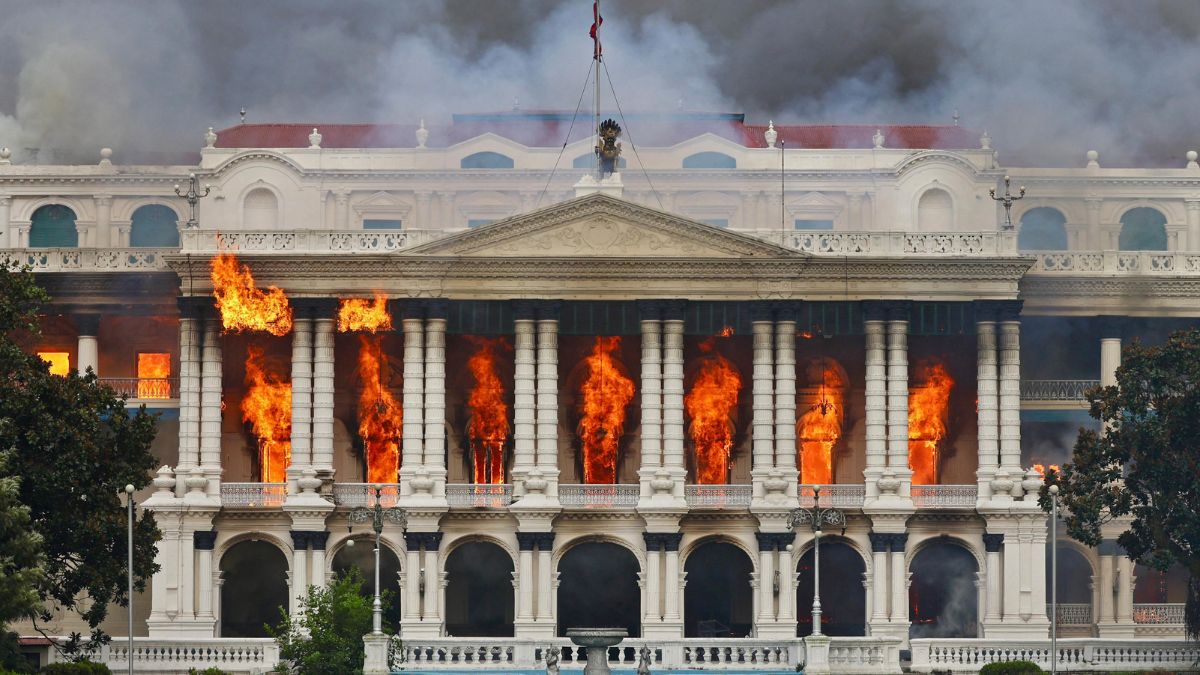
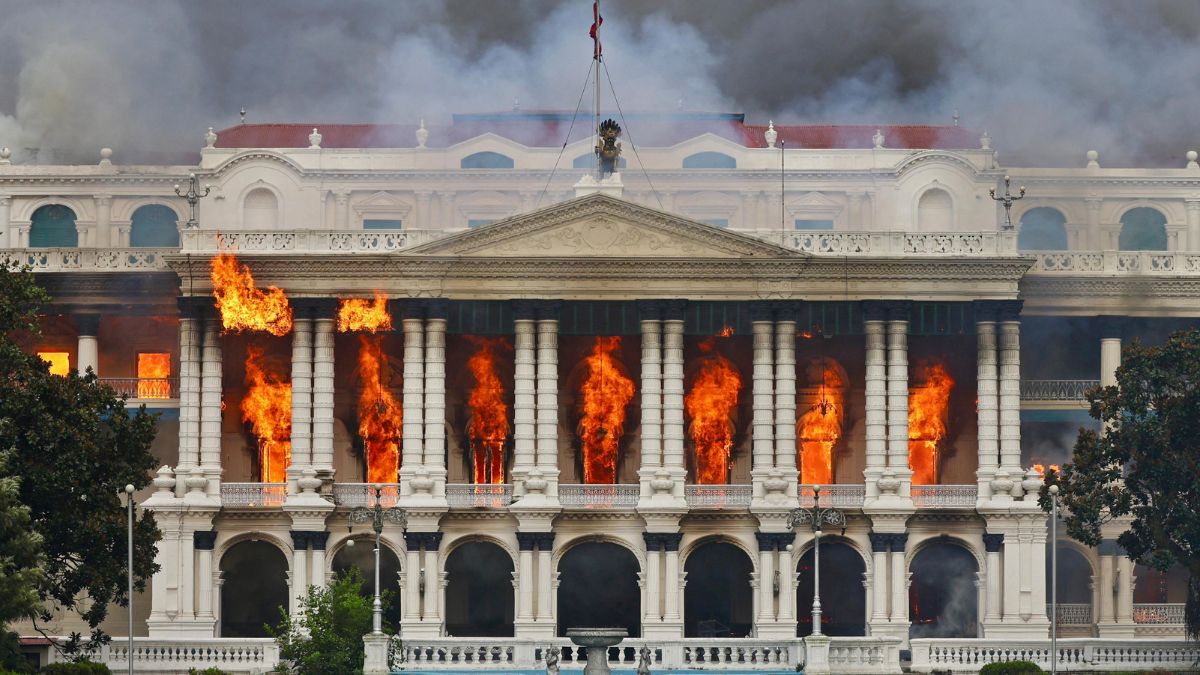 "Nepal: Oli to continue until new PM is sworn in, nation on edge as all branches of govt torched")
 "Who is CP Radhakrishnan, India's next vice-president?")
 "Israel informed US ahead of strikes on Hamas leaders in Doha, says White House")



](https://images.firstpost.com/wp-content/uploads/2015/07/spicejet-afp2.jpg)