

 "Cargo biz to code shares: Jet leaving no stone unturned turn profitable by 2018")
Increasing capacity on domestic routes, foraying into the cargo business, turning full-service after years of ambiguity with multiple brands and service offerings - Jet Airways seems to be leaving no stone unturned to stay on course with its target to return to black by 2018. CEO Cramer Ball said today there has been a triple digit improvement in the airline’s business and things are looking positive. But what about increased competition from a more aggressive Air India and newbie Vistara? Also, a high cost domestic operating environment will surely not help matters. Here is a snapshot of Ball’s strategy: 1) Tapping into cargo: Jet Airways has been given permission by the ministry of civil aviation to get a wide body Airbus 330 aircraft on wet lease from Etihad Airways to start this service. But the airline is yet to get final permission from the DGCA and Ball said today that cargo operations should start by May this year. Since the cargo market is growing 17% year on year and most other airlines have been unable to tap the potential of this market, Jet’s move is a wise one. Jet plans to connect Delhi, Bengaluru, Hanoi, Singapore and Hong Kong on this service initially. Ball said the permission for wet lease (which means aircraft comes with crew) is initially for six months but can be renewed [caption id=“attachment_2020797” align=“alignleft” width=“380”] 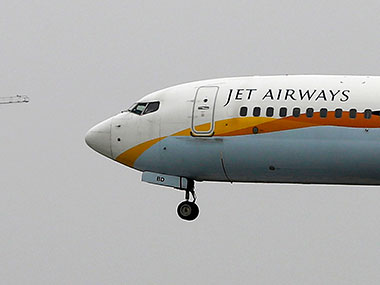 A Jet Airways aircraft. Reuters[/caption] 2) Increasing capacity: Jet Airways plans to increase capacity on domestic routes by 5% and on international routes by 11% from the summer schedule which begins from March 29. Ball insisted that Jet Airways is a network carrier and would continue to increase capacity on routes which make business sense. Domestic routes have been bleeding the airline in the past but Ball said Jet will continue to add capacity on these routes in a judicious manner. Will Jet heed analysts and shrink domestic capacity while adding it to international routes? Ball himself admitted that international routes are better since cheaper fuel can be lifted outside India. 3) Codeshares: Jet Airways has been asking for permission from the Ministry of Civil Aviation to enter into 23 new code share agreements with partner airlines. Ball said some permission are through and the new international destinations (some where Jet does not fly as of now) as part of code share pacts will be announced shortly 4) Increased Abu Dhabi connectivity: Jet is adding three cities - Pune, Ahmedabad and Mangalore - to the 8 existing cities which are directly connected to its international gateway, Abu Dhabi. It had earlier planned connecting 23 cities to Abu Dhabi, by when will this happen? 5) Two licenses: Jet will continue to operate under two separate Air Operators’ Permits (flying permits) of Jet Airways and Jetlite even though it ceased LCC operations under JetLite in December. Ball says there are 9 aircraft under JetLit and though both AOPs will continue, the airline’s entire network will operate as full service. This is again a strange move - why continue with two AOPs when the entire airline is offering one kind of service? Jet should get rid of Jetlite.
Increasing capacity on domestic routes, foraying into the cargo business, turning full-service after years of ambiguity with multiple brands and service offerings - Jet Airways seems to be leaving no stone unturned to stay on course with its target to return to black by 2018.
Advertisement
End of Article


 "Israel targets top Hamas leaders in Doha; Qatar, Iran condemn strike as violation of sovereignty")
 "Nepal: Oli to continue until new PM is sworn in, nation on edge as all branches of govt torched")
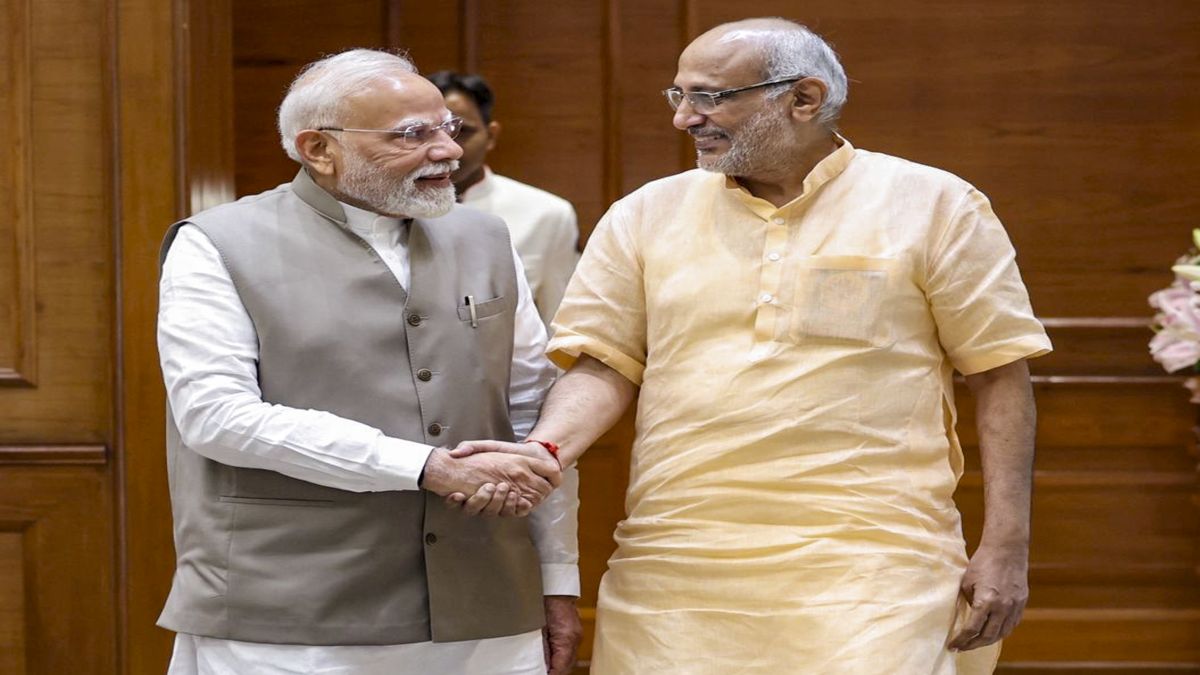 "Who is CP Radhakrishnan, India's next vice-president?")
 "Israel informed US ahead of strikes on Hamas leaders in Doha, says White House")
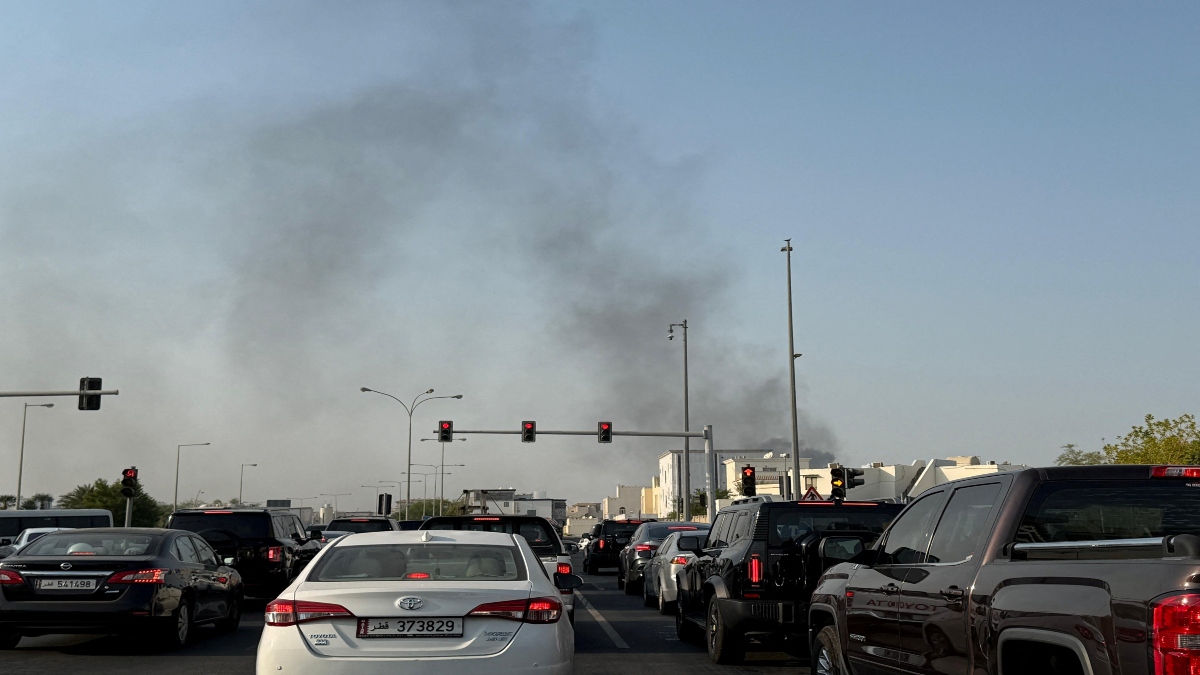 "Israel targets top Hamas leaders in Doha; Qatar, Iran condemn strike as violation of sovereignty")
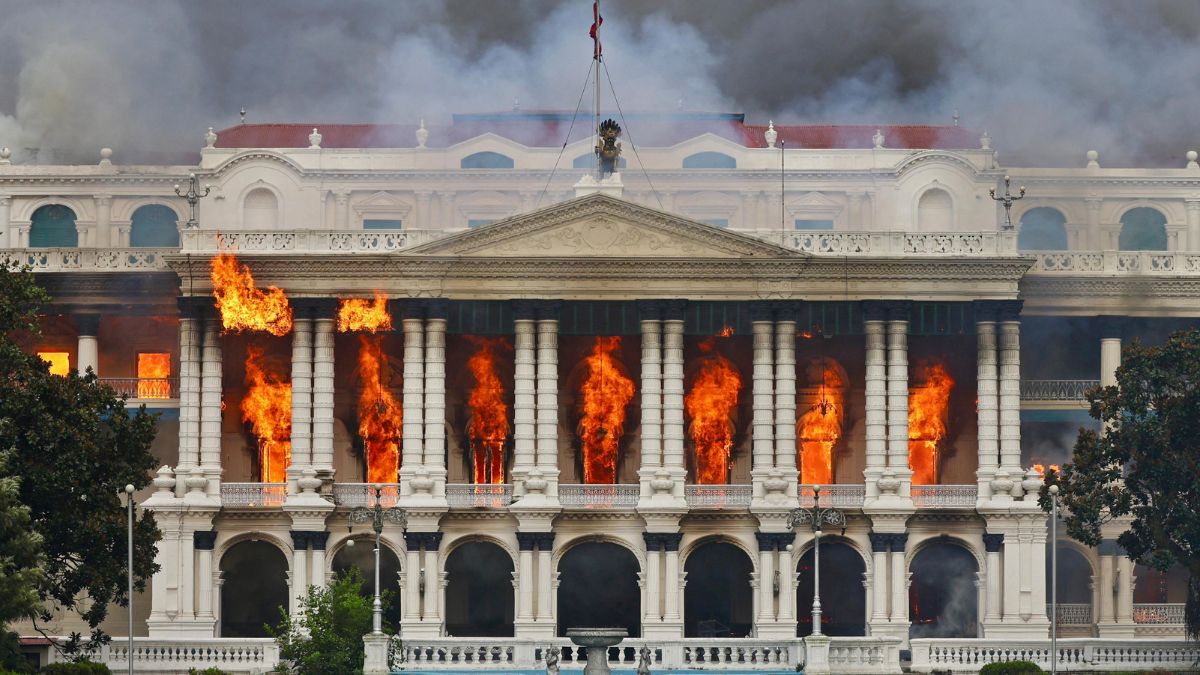 "Nepal: Oli to continue until new PM is sworn in, nation on edge as all branches of govt torched")
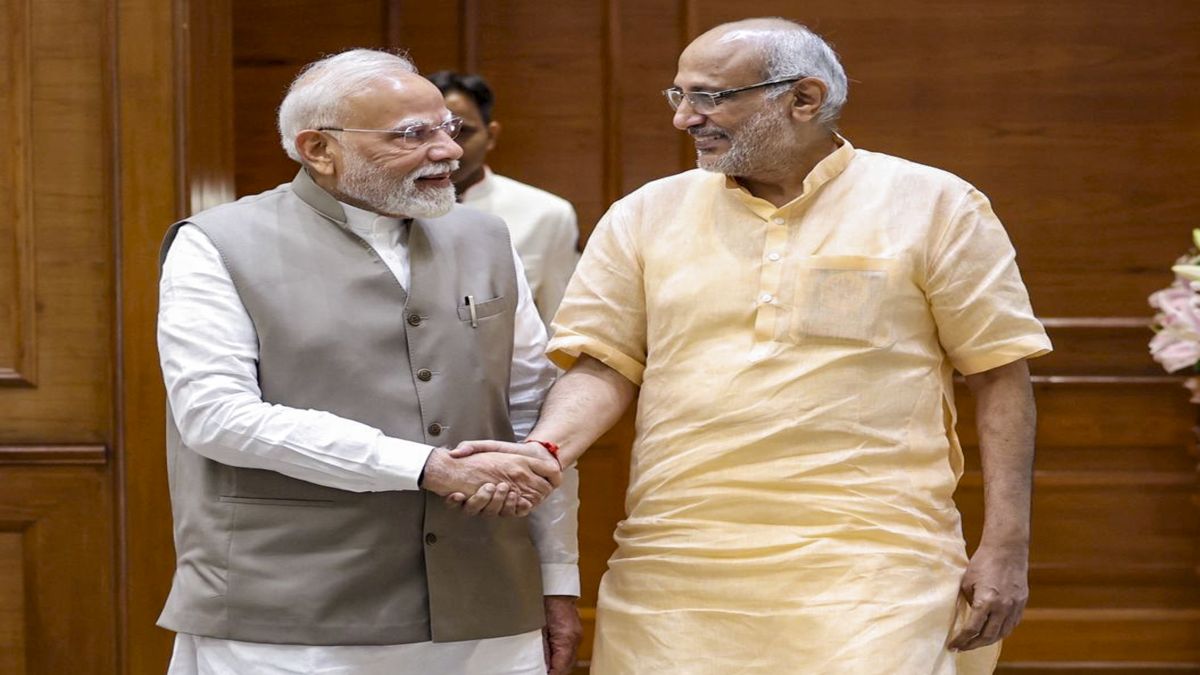 "Who is CP Radhakrishnan, India's next vice-president?")
 "Israel informed US ahead of strikes on Hamas leaders in Doha, says White House")



](https://images.firstpost.com/wp-content/uploads/2014/12/JetAirways_Reuters_8Aug.jpg)