

 "Airlines shouldn't swing to extremes on fares, says MoS Mahesh Sharma")
New Delhi: When airlines go to “extremes” while deciding fares, they are engaging in gambling, said Minister of State for Civil Aviation Mahesh Sharma. He went on to add that informal discussions have begun within the ministry on how to prevent this ‘gambling’. So is the ministry finally going to regulate airfares?
As of now, all airlines are required to stay within pre-decided fare buckets for each sector. Aviation regulator DGCA has recently set up a fare monitoring cell which will randomly monitor airfares to see if the prescribed fare buckets are being violated. As such, there is no fare regulation by either the ministry or the DGCA as of now. But this could change soon.
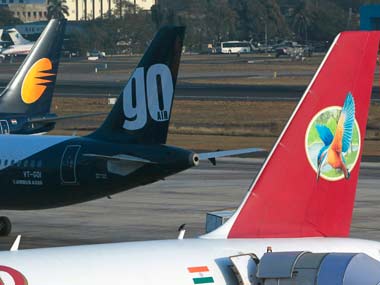
[caption id=“attachment_2138085” align=“alignleft” width=“380”]  Reuters image[/caption] In an interaction with the media, Sharma said “I feel there should be some limit….but then there are international guidelines on fares which we need to study. Airlines should not swing to extremes, this is gambling. We have started an internal discussion on how to regulate prices.”
He said the ministry has noted Rs 599 kind of fares at one end and Rs 35,000-40,000 at the other extreme. Already, as per an internal note circulated within the ministry earlier, one suggestion was to cap the maximum fare on any sector to Rs 20,000 and to devise an airline-wise mechanism for calculating minimum fare on each sector.
About getting a strategic partner for Air India
Sharma said there was no proposal at present to either look for a strategic partner for Air India or to divest government’s stake in it. Instead, for the next six months the ministry will focus on getting the airline’s on-time performance on track.
The minister also said the controversial order of the airline, which allowed retired cabin crew to be taken back for duties due to staff shortage, has been reversed.
“Retired crew cannot be hired now unless it is on an ad-hoc basis,” he said.
Another ministry official said that the shortfall in government equity support to the airline now stands at Rs 1900 crore (for the current and next fiscal) which may have to be met through short term debt by Air India. The government is committed to infuse equity each year into Air India as per an already approved turnaround plan.
For 2015-16, the allocation has been about Rs 2500 crore against a demand of Rs 3400 crore. This official said the ministry will seek the Rs 1900 crore shortfall in equity support later this year through the Supplementary Demand for Grants.He also said Air India’s losses have decreased in 2014-15 due to lower crude oil prices and less currency fluctuation compared to 2013-14.
About poaching pilots:
Sharma wants airlines to give an informal commitment against poaching cabin crew and pilots from each other. He says the DGCA could be asked to frame guidelines on this matter as it results in crippling shortage of trained manpower for airlines.
But is the minister’s objection to “poaching” coming from the inability of Air India to get required number of cabin crew in recent times? The airline has been looking out for 800 new cabin crew members, but has been facing a tough time.
The minister said that though on paper the rule is that pilots have a mandatory six-month notice period, there are several instances when they join a rival airline without fulfilling notice period.
“We will call all airlines for a meeting on this. And if still needed, DGCA will be asked to frame guidelines on this matter,” Sharma said.


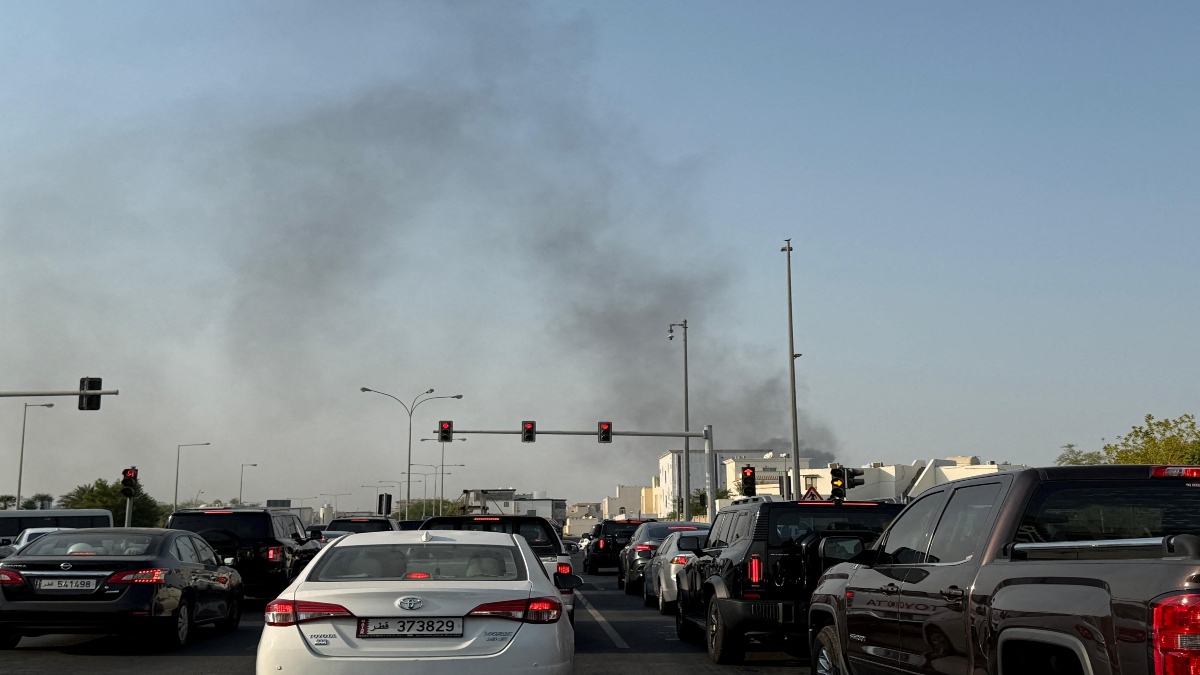 "Israel targets top Hamas leaders in Doha; Qatar, Iran condemn strike as violation of sovereignty")
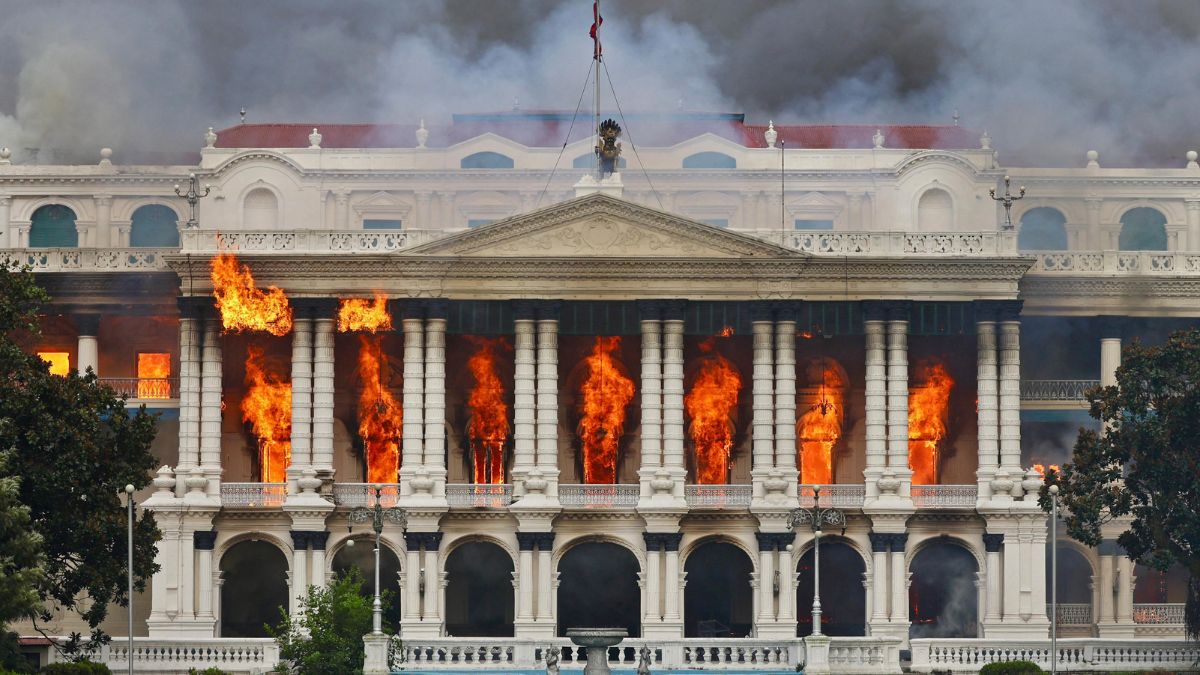 "Nepal: Oli to continue until new PM is sworn in, nation on edge as all branches of govt torched")
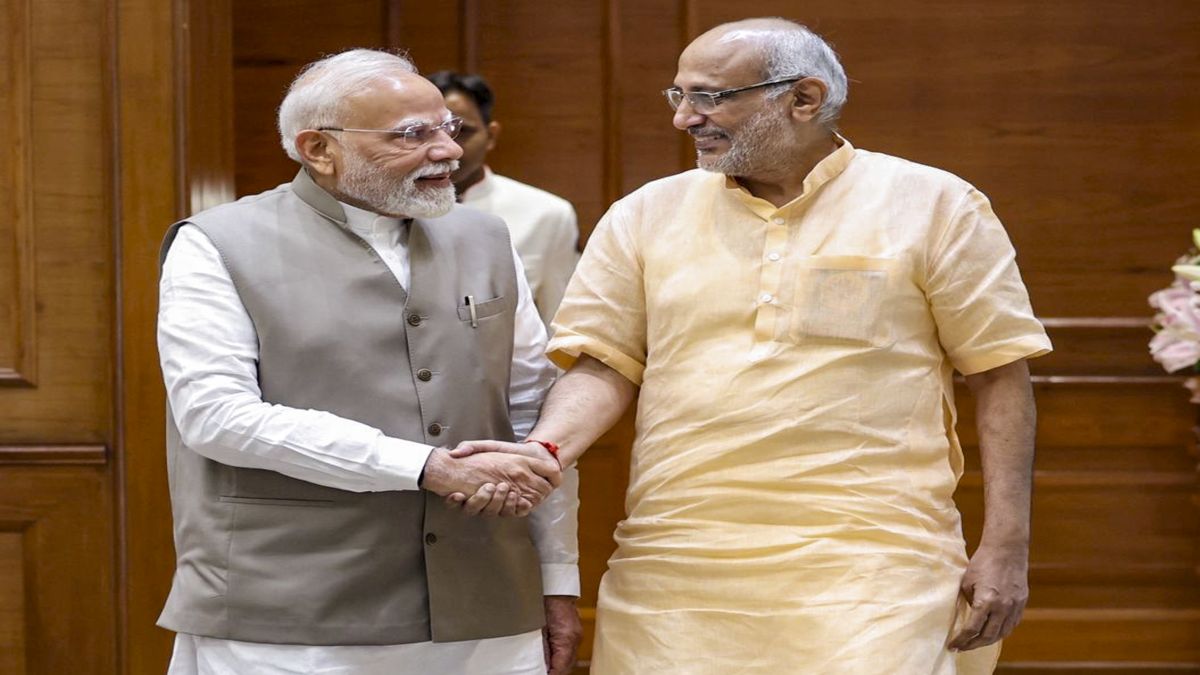 "Who is CP Radhakrishnan, India's next vice-president?")
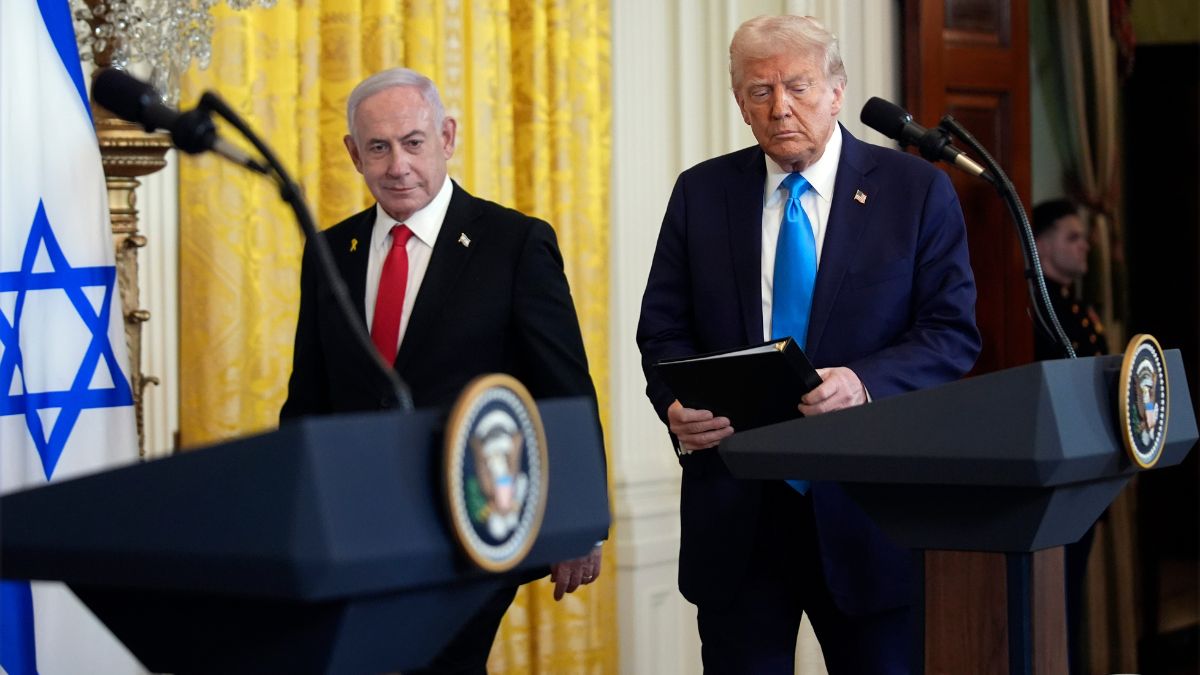 "Israel informed US ahead of strikes on Hamas leaders in Doha, says White House")
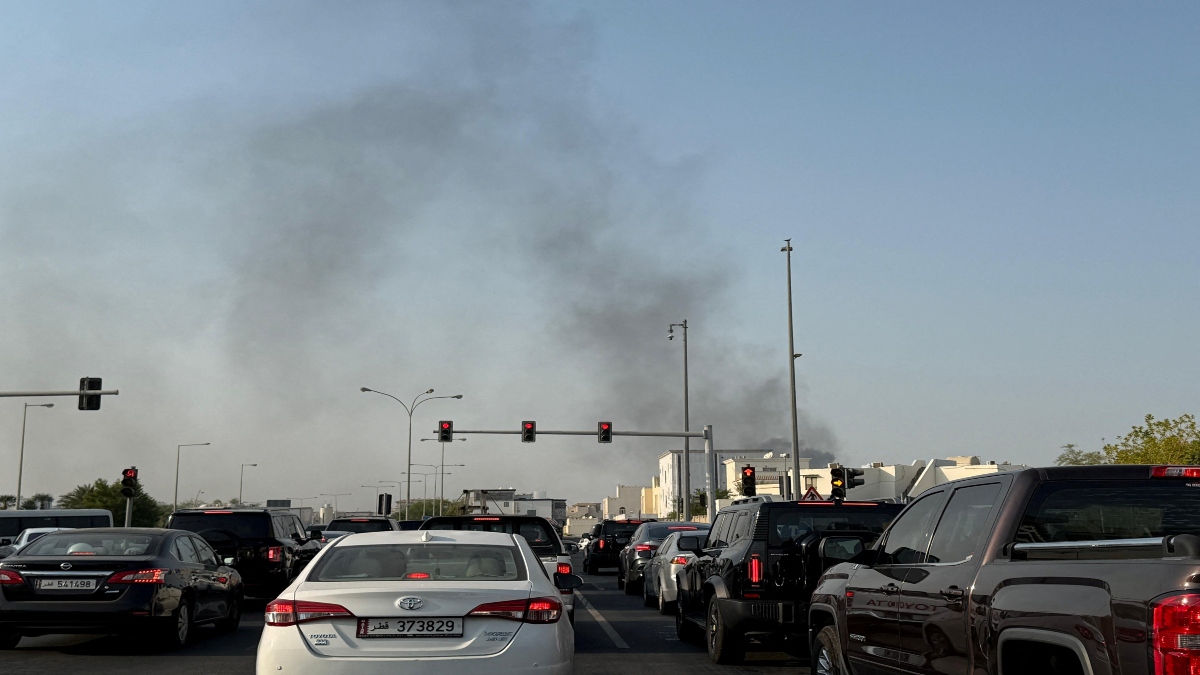 "Israel targets top Hamas leaders in Doha; Qatar, Iran condemn strike as violation of sovereignty")
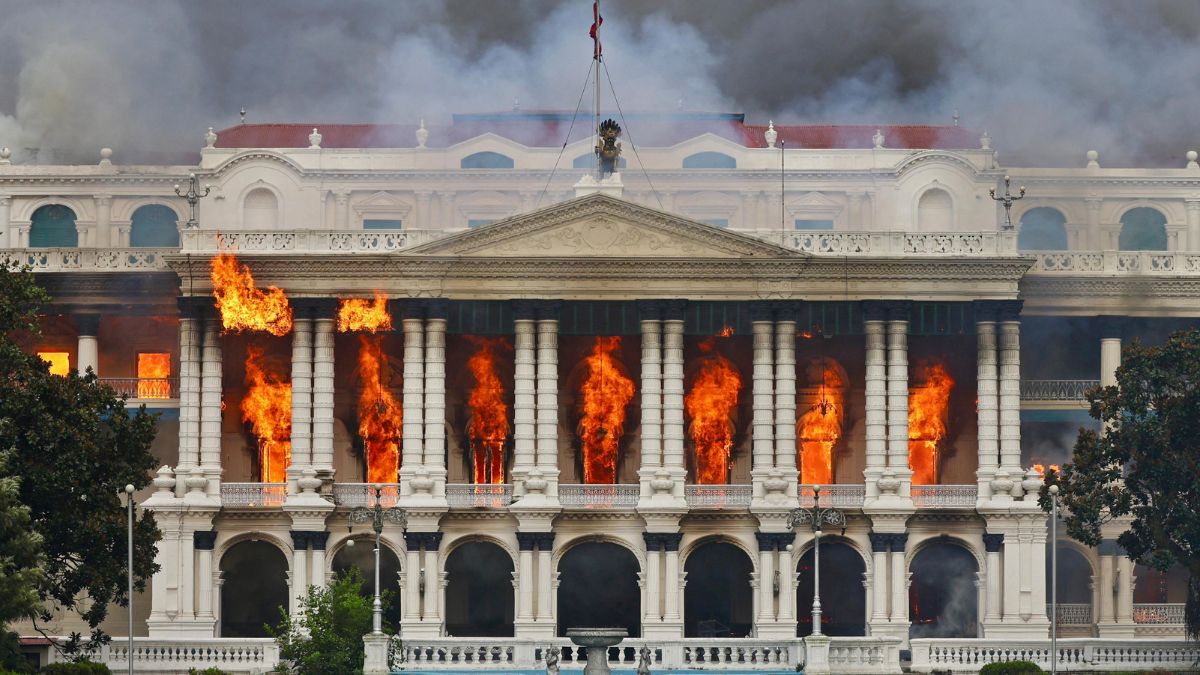 "Nepal: Oli to continue until new PM is sworn in, nation on edge as all branches of govt torched")
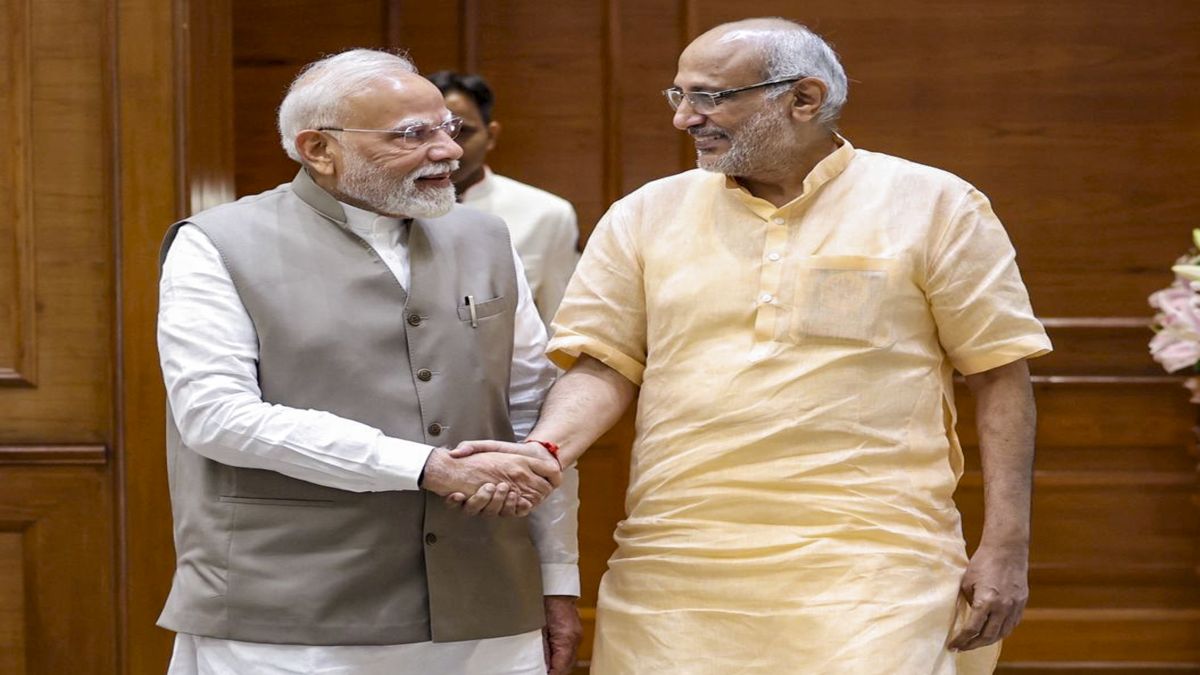 "Who is CP Radhakrishnan, India's next vice-president?")
 "Israel informed US ahead of strikes on Hamas leaders in Doha, says White House")



](https://images.firstpost.com/wp-content/uploads/2015/03/Mumbai_Airport_Reuters1.jpg)