

 "What style of captaincy suits India the most?")
On May 28th, Sourav Ganguly was quoted in a Bengali newspaper saying he thought Gautam Gambhir might be a better option than Mahendra Singh Dhoni to captain the Indian Test side. The former India captain then qualified his somewhat controversial statement by adding that he thought Gambhir should be seriously considered for the job only because Dhoni might not be a good enough keeper and batsman to hold his place in the eleven in the longest format of the game, whereas there will never be a question mark over Gambhir’s place in the Test side. Oh, really? After the abject failure of the Indian team in Australia and England, no one (and certainly not the opening batsmen) has any right to be considered a shoo-in for the Test side. If anything, one of the prime reasons India were whitewashed in England and Australia was the inability of numbers 1 and 2 to get the side off to a good start even once. That said, enough already of the blame game. This is not about who deserves a place in the Indian Test side and who doesn’t. It’s an attempt to shine a light on the style of captaincy that suits the Indian side, or even India, best. After all, the Indian cricket team is, in many ways, a microcosm of India. Essentially, there are three methods of captaincy I will look into here. The first is what I shall refer to as the ‘Sourav way,’ which has proved to be the most enduring in the annals of Indian cricket. The second is the ‘Dhoni way,’ one that has come closest to rivaling the successes Ganguly managed as skipper of the Indian team. And then, as in now, there’s the ‘Gambhir way,’ which one is compelled to shine a light on after the Kolkata Knight Riders’ (KKR) inspired run to the top in the just-concluded edition of the Indian Premier League (IPL), Ganguly’s endorsement of Gambhir’s credentials for the job and the seeming shortcomings in the ‘Dhoni way.’ Of course, there are other ways to lead the Indian cricket team that are worth investigating, but if one were to delve into all of them right here and right now, this piece could easily turn into a treatise on ‘How the Indian cricket team explains India.’ (Well, there’s an idea Mr Guha can use for his next book.) Sourav Ganguly – The Great Dictator [caption id=“attachment_333666” align=“alignleft” width=“380” caption=“Under Ganguly’s regime, multiple points of view were not welcome. It was either Sourav’s way or the highway. And it worked, most of the time. Parth Sanyal/Reuters”] 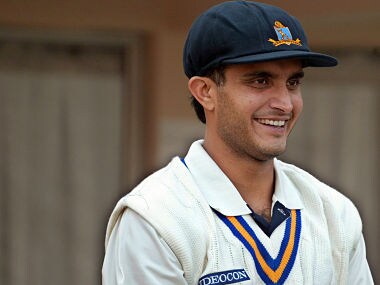 [/caption] Sourav captained the side mostly with his heart. He was headstrong, forthright, intuitive, insecure, parochial, and regal. He was very clear the team was there to do his bidding. Fear was an important weapon in Sourav’s armoury. He gave the young members of the side a long rope, as long as they towed the line…his line. Fortunately for Sourav, he didn’t have to deal with too many senior players. What’s more, he had the very powerful Jagmohan Dalmiya backing him to the hilt during his formative years as skipper. No wonder Sourav was the ‘Lord’ and ‘Maharaja’ of all he surveyed. Under his regime (and there’s no better word to describe it), multiple points of view were not welcome. It was either Sourav’s way or the highway. And it worked, most of the time. More often than not, the young Indian team responded to his authoritarian style of leadership brilliantly, or at least better than it ever had to the democratic ways of Sourav’s predecessor. In fact, the path-breaking success of Sourav ‘The Dictator’ could well be used to buttress a point many an Indian has put forward; that what this country needs is a more authoritarian model of governance to set things right and accelerate its march towards becoming a great nation. Make no mistake, there’s definitely a school of thought in this country that believes Indians are too slack for their own good. Maybe there’s a germ of truth in the assertion. Sourav, for one, certainly demonstrated the great heights that can be scaled by a team of dissimilar individuals when one of them is invested with absolute power to call the shots. However, ‘Sourav’s way’ proved to be so successful largely because he was (after Sachin Tendulkar) the most senior member in the team. And Tendulkar had made up his mind, after giving up the captaincy in despair, to focus on nothing more than his own batting. The only other ‘senior’ player, Rahul Dravid, was, luckily for Sourav, easily the most fantastic and most supportive vice-captain in the history of Indian cricket. To a large extent, Sourav’s way proved to be such a success because he didn’t have to deal with ambitious contemporaries who had designs on his job, which allowed Sourav to pretty much do his own thing, until he brought in another man with equally autocratic tendencies: Greg Chappell. Mahendra Singh Dhoni – The Quiet Achiever Dhoni is the sort of guy the former Indian coach Gary Kirsten famously said he was willing to ‘go to war with.’ Perhaps you’ll find some of the reasons for this unstinted support from Kirsten’s corner in the thoughts to follow. The current Indian captain is not overly emotional. He doesn’t have a short fuse and hardly ever castigates his players publicly, no matter how poorly they perform. Perhaps this might have something to do with the fact that cricket is not the be all and end all of Dhoni’s existence. He has his dogs, bikes and, more importantly, a life away from the game that he thoroughly enjoys. Dhoni perhaps knows cricket is, as the social scientist Ashis Nandy beautifully describes it, “A game of fate passed off as a game of skill. It is not a game against the opposition; it is a game against your own destiny. The weather conditions may change when you are batting, the ball may swing more when the opposition is bowling.” Dhoni is probably of the view that one cannot afford to be completely invested in such a fickle mistress. And that’s why the need to hedge one’s bets by investing in other less capricious pursuits. These other interests bestow him with a balanced perspective. In success and failure, Dhoni keeps an oh-so-cool head on those broad shoulders of his. This is a quality someone who is preoccupied with the game will find virtually impossible to cultivate. The ‘Dhoni way’ is one that strives for balance, steers clear of rocking the boat, and lives in the present. Dhoni’s happy-go-lucky nature makes it possible for him to treat his seniors with immense respect. Cases in point: Ganguly was asked to lead the team during the closing stages of his last international game. Also, Dhoni invited Anil Kumble to accept the ‘Border-Gavaskar Trophy’ after India beat Australia in India (2008) even though Kumble was not part of the side for the final Test of the series; the great Indian stalwart had retired after the second Test match in Bangalore. And Virender Sehwag has never been pressured by Dhoni to temper his swashbuckling ways. Had Dravid announced his retirement from Test cricket during India’s tour of Australia, I have no doubt Dhoni would have done something special for him as well. [caption id=“attachment_333671” align=“alignright” width=“380” caption=“The ‘Dhoni way’ is one that strives for balance, steers clear of rocking the boat, and lives in the present. Getty Images”]  [/caption] In fact, Dhoni’s leadership methods remind this author of Krishnamachari Srikkanth’s (the only skipper who returned with a no-loss record in Tests against Pakistan in Pakistan). Many will say Srikkanth was a hopeless captain, but I disagree. Dhoni, like Srikkanth, is an out and out team-man. Well, of course, Dhoni (the captain) is many things Srikkanth wasn’t. But that’s only because Srikkanth didn’t get enough time on the job. Given a longer run, who’s to say Srikkanth wouldn’t have acquired some of these skills? Remember Srikkanth turned himself into a dependable opening batsman, until Ian Bishop broke his forearm during India’s tour of West Indies (1988-89). After that crushing blow, Srikkanth was never the same against fast bowling, which was exposed during India’s tour of Pakistan. In Dhoni, Srikkanth, perhaps, sees what he himself could have grown into. Maybe that’s why Srikkanth (and his selection committee) has stood by the current Indian skipper through the series of new lows Dhoni’s Indian team has hit post the World Cup win in 2011. It’s quite likely Srikkanth is giving Dhoni a wide margin for error because he knows what it’s like to be treated shabbily; he was sacked and dropped from the side after one poor tour with the bat; despite delivering a fine series as skipper of a team packed with more accomplished Test cricketers than himself. But Srikkanth wasn’t done away with only because he lost his mojo as a batsman. He was fired because he supported his players in a dispute against the Board of Control for Cricket in India (BCCI). The BCCI used Srikkanth’s poor run with the bat to jettison him and appoint a more malleable captain in his place. When you sit down to evaluate Srikkanth’s performance as a skipper, do consider this: He managed a volatile Navjoth Singh Sidhu a lot better than his successor Mohammed Azharuddin ever did. He nurtured a very young Sachin Tendulkar playing his first series against one of the finest bowling attacks in the world in their own backyard. And Sanjay Manjrekar, one of India’s most technically accomplished batsmen, had his only Bradman-esque run of scores under Srikkanth’s watch. The somewhat eccentric Srikkanth also had his own ‘Joginder Sharma’ moment when Chetan Sharma smashed a 96-ball hundred (Sharma’s only 50 plus score in his international career) against England after he was promoted by Srikkanth to number four. Dhoni, too, has done a fine job of managing players who are far more proficient than he is (or ever will be) as a Test player…quietly. Speaking of which, Dhoni will not be remembered as a skipper who called attention to himself with flamboyant displays of shirt waving, making captains wait for the toss, and the like. In a time when cricket has become an un-pretty, ungentlemanly game, Dhoni never sledges the opposition. His bat (at times) and his players (most times) do all the talking. It might have something to do with the fact that he is a wicket keeper; who, more often than not, tend to be unsung heroes. And, perhaps, that’s the way a good captain should be. After all, it is a team game. Dunga and Cafu, captains of Brazil’s last two FIFA world cup winning teams, were also like that. In this day and age when Indian cricket is rife with superstars (not very different from the way things are in football), not calling attention to self is a sensible way to lead a team of luminaries. Otherwise, you run the risk of antagonising chaps who are used to being the centre of attention. Unlike Sourav, Dhoni has had to lead names much bigger than himself in the eleven. Happily for Indian cricket, he has never been intimidated by the magnitude of the task on hand. In fact, he has grown from strength to strength since being handed the captaincy, unlike, say, a Dr Manmohan Singh who has shrunk from the commanding heights he once occupied. The ‘Dhoni way’ is a mostly successful case study on how a coalition studded with heavyweights can be efficiently managed by someone who is street smart. Gautam Gambhir – The Man on a Mission Unlike, say, Dhoni or Sachin or Sunil Gavaskar, Gambhir had to fight very hard to cement his place in the Indian side. What’s more, he is an opening batsman, which is probably the toughest job going in India, if not in cricket. In India, every opening batsman has to stand up to scrutiny from the greatest the world has ever seen. Still, Gambhir has emerged from this intensely searching examination with flying colours. He is, after Gavaskar, the Indian with the best batting average in second innings overseas. This is a massive achievement when you consider he has played his cricket in the company of giants like Sachin, Dravid, Laxman and Sehwag. Gambhir once said this of himself vis-à-vis his more celebrated contemporaries, “I am the batsman with the least talent.” While that may or may not be true, there is no doubt Gambhir is one of the most driven players in the Indian team. And, anyway, talent is over-rated, especially, in India. So, let’s right now, stop putting pure talent on a pedestal. We know how far this ‘immense talent’ has taken the likes of Rohit Sharma, Irfan Pathan and Vinod Kambli, to name just three gifted underachievers. Instead, let’s start paying more attention to relatively unsung qualities like hunger, hunger and, well, hunger. If the BCCI is hungry enough to make a serious bid to return India to the position of the best international team in the world, they could do worse than take a closer look at the leadership credentials of an exceptionally motivated guy like Gambhir. [caption id=“attachment_333679” align=“alignleft” width=“380” caption=“Will Gambhir be able to handle the pressure of leading a national side or will it break him?”] 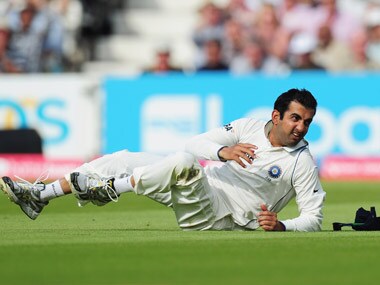 [/caption] If you have a mission considered impossible by most people that you want achieved, the man to put in charge of it would be Gambhir. He was handed the job of persuading the ‘Ganguly-crazy’ people of Kolkata to get behind a team that had the cojones to fire their favourite son, not just as skipper, but from the team, no less. A lesser man would have been fazed by it. But, from the looks of it, this is just the sort of thing Gambhir lives for. In his first year as ‘Dada’s’ replacement, he led the side to the semifinals of the grueling IPL. But that wasn’t enough for the people of Kolkata. They made it clear that they still preferred their ‘Dada’ to this lot of outsiders who had dared to represent them without him. Unfortunately for the ‘No Dada, No KKR’ gang, it wasn’t enough for Gambhir, either. He was on a mission, you see. And we all saw. This year, when asked how he felt about winning IPL, he summed up the efforts of his thrillingly successful campaign in two words: Mission accomplished. That’s Gambhir for you. Now, he is being proclaimed as the new ‘Dada’ of Kolkata. The thing is should such an intense, driven fellow be handed the job of leading a famously infuriating Indian team that is known to crush the will of the most determined of warriors? Will he be able to handle the pressure of leading a national side or will it break him? Recall how it broke titans like Sachin and Dravid. How will it affect Gambhir’s batting in Tests? Can the Indian Test team afford to lose him as an opening batsman? Isn’t it better for Indian cricket to have someone less severe like, say, Dhoni take on such a burdensome task? Or should we divide and rule, like England have done? These are questions that will be answered only if and when Gambhir is given a shot in the hot seat. From the looks of it, the ‘Dhoni way’ may have run its course. Is it time to take some risks and embrace a few changes, embark on a new mission, and give the ‘Gambhir way’ a look-in? Finally, let’s go back to my original question: Which ‘way’ is most suited to the ‘Indian way’? The answer: There’s a time and a place for each ‘way.’ Back in 1999-2000, Indian cricket was desperately in need of a strongman to grab it by the scruff of its neck and pull it out of the mire it had sunk into. Sourav ‘the Dictator; Ganguly was the right guy to do this. Then, in 2007, came the inevitable power struggle. It was time for the non-controversial and self-effacing ones, Kumble and Dhoni, to step in, steady the ship, soothe hurt egos, and chart a new course. Now, after the highs of 2011 and the heady days of the IPL, a sense of entitlement seems to have crept into the ranks. The time is right for a shake-up. But since the dynamics of team-building have changed immeasurably after the rise and rise of the IPL, a dictator with an egalitarian outlook might be the most suitable way forward for the Indian cricket team, and maybe even India!
There are three methods of captaincy that we will look into here — the Sourav way, the Dhoni way and the Gambhir way.
Advertisement
End of Article
Written by Avinash Subramaniam
Avinash Subramaniam is a writer. His interests include advertising, scrabble, body building, chess, making money, reading, internet culture, cricket, photography . see more

 "Israel targets top Hamas leaders in Doha; Qatar, Iran condemn strike as violation of sovereignty")
 "Nepal: Oli to continue until new PM is sworn in, nation on edge as all branches of govt torched")
 "Who is CP Radhakrishnan, India's next vice-president?")
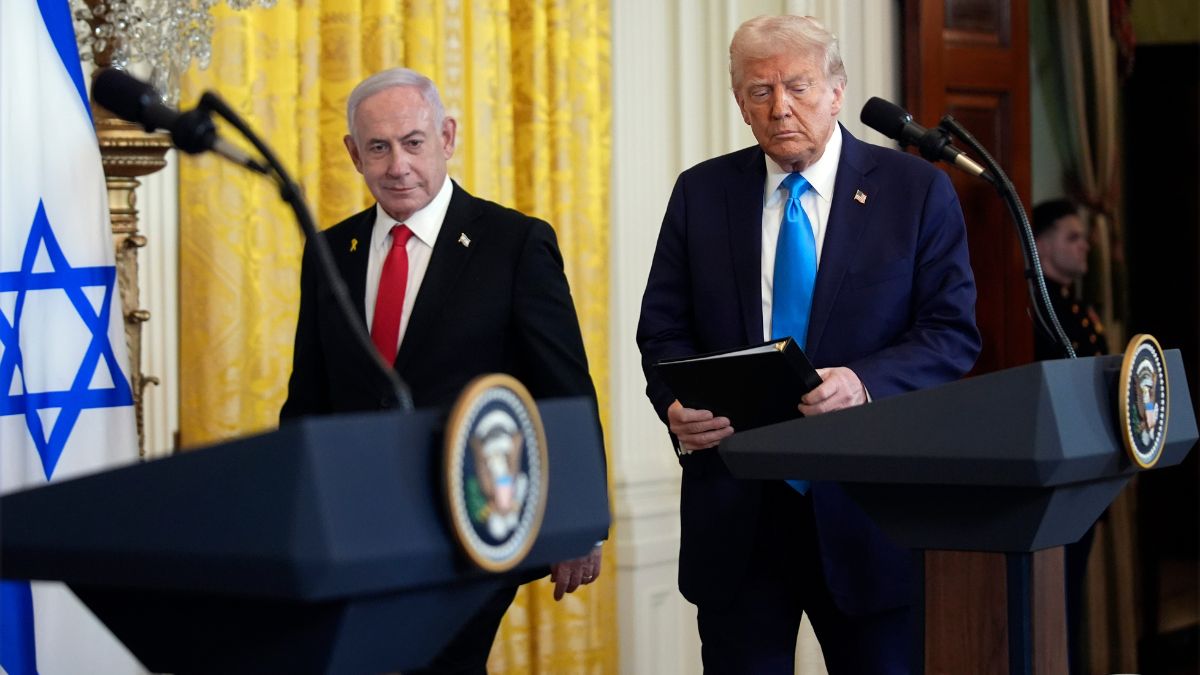 "Israel informed US ahead of strikes on Hamas leaders in Doha, says White House")
 "Israel targets top Hamas leaders in Doha; Qatar, Iran condemn strike as violation of sovereignty")
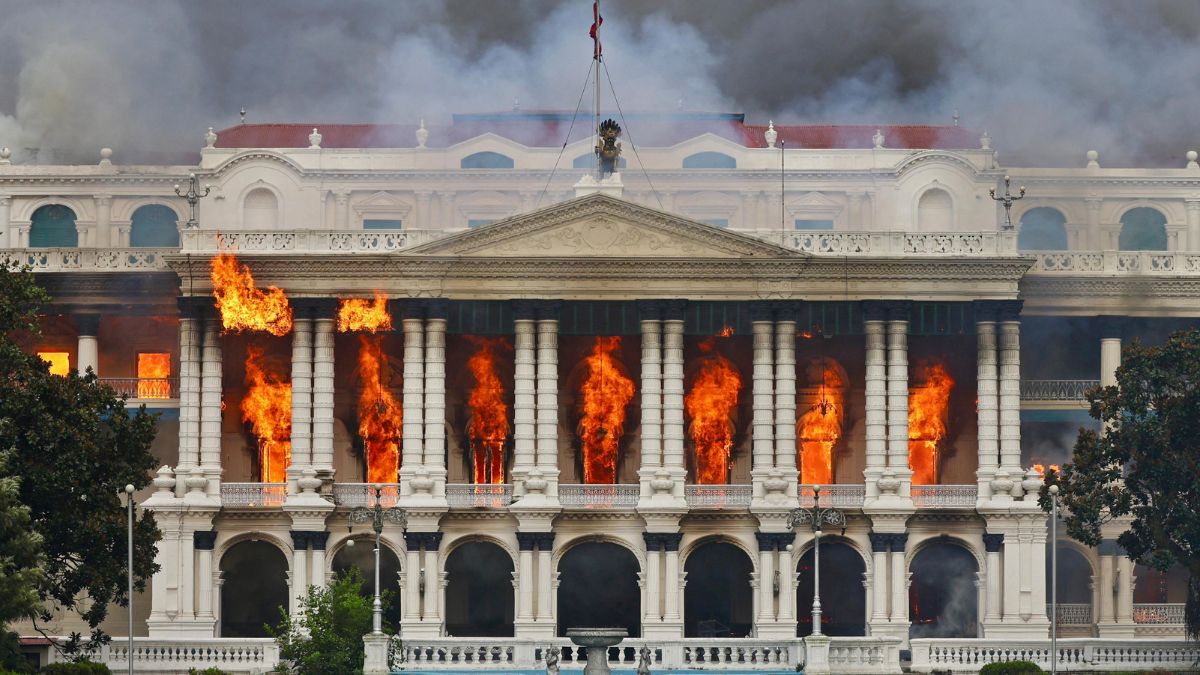 "Nepal: Oli to continue until new PM is sworn in, nation on edge as all branches of govt torched")
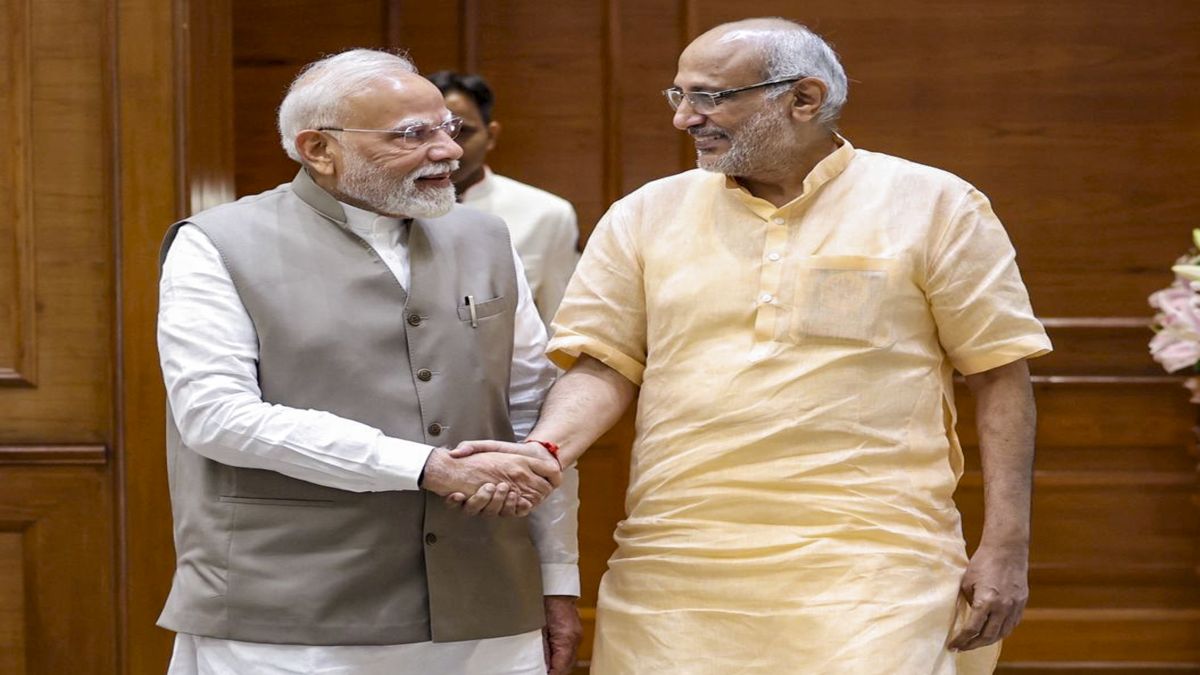 "Who is CP Radhakrishnan, India's next vice-president?")
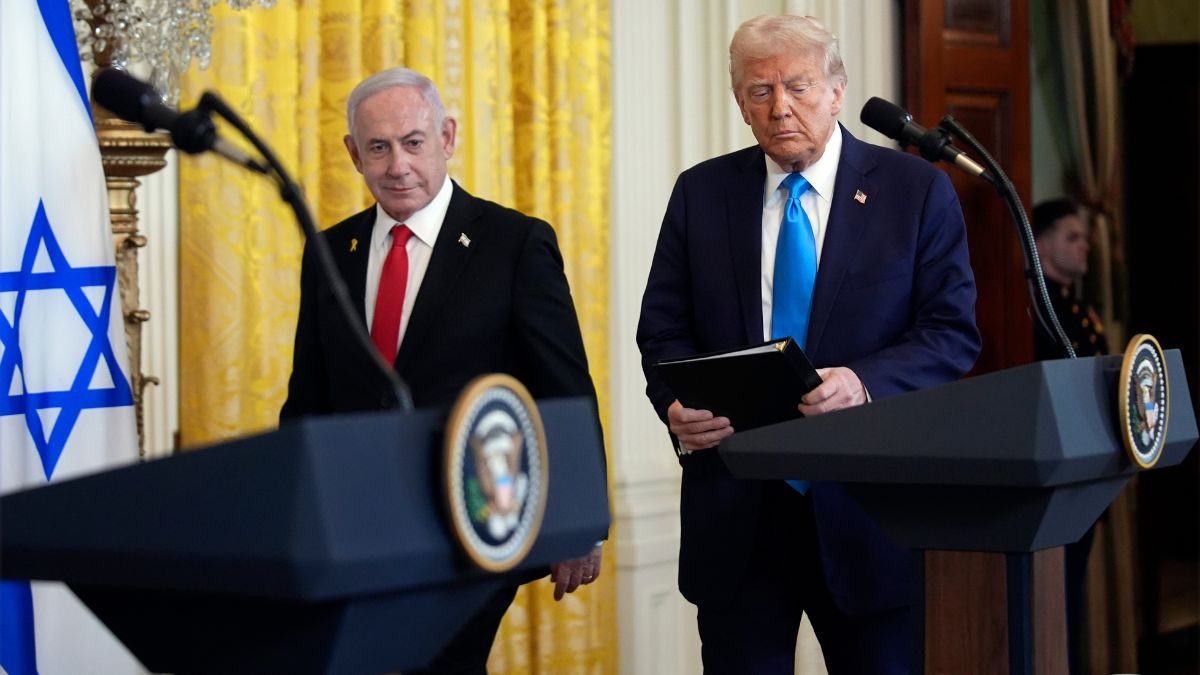 "Israel informed US ahead of strikes on Hamas leaders in Doha, says White House")



](https://images.firstpost.com/wp-content/uploads/2012/06/ganguly_ranji_reuters.jpg)
](https://images.firstpost.com/wp-content/uploads/2012/06/Dhoni_Practice_GettyImages.jpg)
](https://images.firstpost.com/wp-content/uploads/2012/06/Gambhircropped.jpg)